


Choosing your first instrument should be exciting and not confusing. The right guitar makes practicing feel rewarding, fits your body and hands, and delivers a tone that keeps you coming back. In this article, we bring you the best electric guitars for beginners according to our opinion.
Our 2025 guide focuses on nine easy-to-play electric models including the Ibanez GRGM, Ibanez Gio GRX70QA, Squier Classic Vibe 50s Telecaster, Squier Affinity Series Stratocaster, Fender Squier Debut Series Stratocaster, STRICH Electric Guitar Beginner Kit, DONNER DST-80, Donner DMT-66, and Donner DST-100T. Each was chosen for playability, build quality, and value for new musicians.
We evaluated body construction, neck profile, setup potential, and tone so you can quickly compare guitars and make a confident choice. Links in this article go directly to Amazon for current pricing and availability, so check the listing before you buy.
If you’re ready to start playing, use our short comparison below to pick a model that fits your hands, budget, and musical goals, then get practicing. Your music journey starts with one good choice.
Best Electric Guitars for Beginners: Introduction
Taking the first step into music starts with finding a guitar that feels comfortable and inspires you to practice. Buying your first guitar can be exciting but also overwhelming—this short introduction explains how we narrowed the options so you can make a confident choice.

This guide focuses on nine specific electric models chosen for beginner success. We evaluated each one against a consistent set of criteria so you can compare apples-to-apples across price bands and designs.
Selection criteria at a glance (use these when you test a guitar in-store or inspect a delivery):
- Neck profile — comfort for your hand size and smooth fretting (important for beginners).
- String action and setup — lower, buzz-free action makes chords and scales easier.
- Body design and weight — manageable for 20–30 minute practice sessions.
- Construction quality and reliable hardware — stable tuning and durable components.
- Tonal versatility — pickups and controls that keep practice engaging across styles.
Who this guide is for: absolute beginners (teens and adults), players with small to average hands, and anyone seeking an easy-play electric to build fundamentals. If you want to jump straight to the comparison and model roundup, use the “Jump to model comparison” anchor below.
In later sections we list the exact model names, specs, and Amazon links (verify price and availability before buying). These recommendations emphasize playability and long-term value so your first guitar becomes a trusted companion, not a regret.
Why Choosing the Right Guitar Matters for Beginners
The connection you form with your first instrument can determine whether you keep playing or give up in frustration. A poor choice that feels uncomfortable or sounds thin quickly kills motivation; the right guitar encourages daily practice and makes learning rewarding.

Good playability and an inspiring tone are the two biggest factors that keep beginners engaged. A guitar that feels comfortable in your hands reduces finger pain and lets you form chords and scales cleanly — which accelerates progress and builds confidence.
Quick ergonomic checklist for beginners:
- Neck profile — choose a width and shape that fits your hand size (slim C-shapes suit many new players).
- String action — lower, well-set action is easier to fret and reduces fingertip strain.
- Scale length — shorter scales (like the Ibanez GRGM short-scale) ease string tension for smaller hands.
- Comfortable body design — balanced weight and contours for 20–30 minute practice sessions.
Try guitars in person when possible, or buy from retailers with a generous return policy so you can test fit and feel at home. The small time you spend checking neck profile, action, and tone now saves money and frustration later — and helps ensure your first guitar becomes a long-term companion for making music.
Key Features to Consider in Starter Guitars
Before you pick a specific model, learn the core design elements that determine comfort, playability, and sound. Use these checks to compare guitars quickly in-store or when a delivery arrives.

Body Construction and Wood Quality
The guitar’s body affects weight, balance, and the basic sound character. Entry-level guitars commonly use solid wood tops or high-grade laminates; both can sound good, but solid tops (or higher-grade laminates) often age and resonate better over time.
Common woods like poplar and maple are durable and give balanced tone — spruce tops (on acoustics) produce bright, clear highs. Don’t overfocus on wood names at the lowest price tiers: good setup and construction quality usually matter more for beginners than subtle tonal differences.
Check the finish and joinery for quality: smooth edges, tight seams, and clean bridge/neck joints are signs of solid construction that preserve long-term playability.
Neck Profile and Easiness to Play
The neck profile determines how a guitar feels in your hands. A slim, modern C-shape suits many beginners and players with smaller hands; wider profiles help chord voicings for some styles. Try to find a neck that lets you form chords without stretching or excessive thumb pressure.

Easy play features to look for: low, buzz-free string action; smooth, rounded fret edges; and a straight neck. These reduce finger pain and make practice sessions productive.
Quick definitions for new players: “action” = the height of the strings above the frets (lower is easier to press), “scale length” = the vibrating string length (shorter scales mean less tension and easier fretting), and “neck profile” = the cross-sectional shape of the neck.
Testing the neck feel is simple: hold the guitar in playing position, fret common chords, and play single notes up the neck to check for buzz or dead spots. If the neck feels awkward, try a different profile or consider a shorter-scale model.
Quick pre-buy checklist (store or delivery)
- Tune and pluck each open string — does it hold pitch? (checks tuners and basic setup)
- Sight down the neck for straightness — any obvious bow or twist is a red flag.
- Fret check at 3rd, 7th, and 12th frets for buzzing or dead spots.
- Inspect hardware: tuners turn smoothly, bridge saddles are secure, and pickup/knob wiring has no crackle.
- Assess body comfort: hold for 1–2 minutes in playing posture to feel weight and contours.
Consider a professional setup if action or intonation needs tuning — a basic setup (truss rod, action, intonation) is often inexpensive and dramatically improves playability. Finally, when you see model names later in the guide, expect consistent naming (brand + model) — we’ll use the corrected names like Ibanez GRGM, Ibanez Gio GRX70QA, Squier Classic Vibe 50s Telecaster, Squier Affinity Series Stratocaster, Fender Squier Debut Series Stratocaster, STRICH Electric Guitar Beginner Kit, DONNER DST-80, Donner DMT-66, and Donner DST-100T for clarity.
Detailed Review of Ibanez Electric Guitars
Ibanez builds instruments that often deliver player-friendly necks and modern features at accessible prices. Their electric guitars are popular with beginners who want easy playability without sacrificing tone or construction quality.

Ibanez GRGM (compact/short-scale)
The Ibanez GRGM is a mikro/short-scale electric designed for smaller hands and younger players. It typically features a compact scale length that reduces string tension, making fretting and chord changes easier for beginners.


Construction on this type of model commonly uses lightweight body woods and a comfortable maple neck; fretboard materials vary by run. Pickup configurations on GRGM-style guitars are chosen for versatility and clear tone at practice volumes. Expect around 22 frets and a fixed bridge for straightforward tuning stability and low maintenance.
Why pick it: best for kids or adults who prefer a shorter scale and easier string feel — an excellent first guitar for developing fretting technique with less hand strain.
🎸 Ibanez GRGM – Compact Power for Beginners
The Ibanez GRGM (also known as the Mikro) is the perfect starter guitar for younger players or anyone seeking a comfortable, easy-to-play instrument. Despite its compact size, it delivers the classic Ibanez tone and fast neck feel that beginners love.
Ibanez Gio GRX70QA (full-size value)
The Ibanez Gio GRX70QA is a full-size, entry-level model in the Gio lineup. It pairs a poplar body with a maple neck to produce a balanced sound that suits rock, blues, and pop. Many Gio models include an HSH or HSS pickup layout to offer tonal flexibility for beginners experimenting with different sounds.


Hardware typically includes a tremolo bridge (for expressive techniques) and player-friendly neck profiles that favor fast fretting and easy chord shapes. The GRX70QA’s finish options — including quilted or art-grain tops on some variants — add visual appeal without pushing the price too high.
Why pick it: ideal for players who want full-size feel and a wider tonal palette while still keeping costs low; a solid step-up choice for beginners ready to explore more sounds.
🎸 Ibanez Gio GRX70QA – Style and Sound for Starters
The Ibanez Gio GRX70QA is a fantastic choice for new players looking for a guitar that feels great and sounds even better. With its sleek design, comfortable neck, and versatile HSH pickup setup, it delivers solid tone and playability that make learning fun and inspiring.
Quick comparison tips (use when choosing between the two):
- Scale length: GRGM (shorter/easier for small hands) vs GRX70QA (standard/full tension).
- Pickups: GRGM — simplified, practice-focused tones; GRX70QA — HSH/HSS variants for broader tone range.
- Neck: GRGM — very slim, kid-friendly profile; GRX70QA — thin/fast but full-size.
- Best for: GRGM = younger/smaller players; GRX70QA = full-size beginners wanting versatility.
- Price band: GRGM generally sits at the lower end; GRX70QA is a value-packed full-size option.
Note on specs: confirm exact woods, pickup models, and scale lengths on the product page before buying — manufacturers sometimes vary materials across color or region-specific SKUs. Both Ibanez models prioritize playability and reliable quality, making them strong contenders among beginner guitars.
Exploring the Classic Solid-Body Electric Guitar
For players who love vintage styling but want modern playability, the classic butterscotch Tele-style instrument offers both visual charm and a bright, engaging tone. This type of guitar is an excellent choice for beginners who prefer clear single-coil sounds and straightforward controls.

Squier Classic Vibe Telecaster Butterscotch features
This section refers specifically to the Squier Classic Vibe 50s Telecaster — a model that replicates the look and feel of early Telecasters with a butterscotch blonde finish that stands out on stage and at home. Its straightforward controls and iconic silhouette make it approachable for first-time buyers.


The solid-body construction delivers good sustain and reduced feedback compared with hollow designs, while the single-coil pickup configuration gives a bright, articulate tone that suits country, rock, blues, and pop. That clarity helps new players hear their technique clearly so they can correct mistakes and improve faster.
The comfortable C-shaped neck profile on this model balances period-correct feel with beginner-friendly playability; many versions use a rosewood or maple fingerboard depending on the finish. A fixed bridge keeps tuning stable and minimizes setup complexity for new owners.
Best for: players seeking vintage Tele tones, clear single-coil sound, and a deceptively simple control layout that’s forgiving for beginners. Check the product listing for finish options and whether a gig bag or case is included — most Squier Classic Vibe guitars are sold as guitar-only, so plan for a case if you’ll be transporting it frequently.
🎸 Squier Classic Vibe ‘50s Telecaster – Vintage Feel, Modern Playability
The Squier Classic Vibe ‘50s Telecaster brings the timeless look and tone of the 1950s into the modern era. Its vintage-inspired design, smooth maple neck, and bright, articulate single-coil pickups make it a top pick for beginners who want authentic Tele twang and lasting quality.
Strat Options: Squier Affinity Stratocaster & Debut Series
Fender’s Stratocaster is one of the most influential electric guitar designs ever made, and the Squier line brings that classic design to beginners at friendly price points.

Fender Squier Affinity Series Stratocaster: Design and Playability
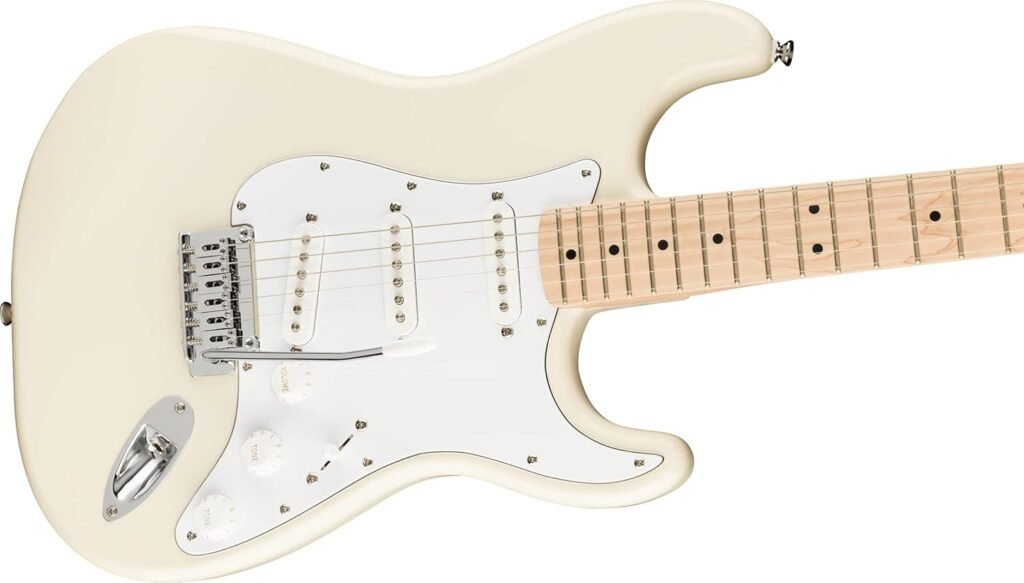
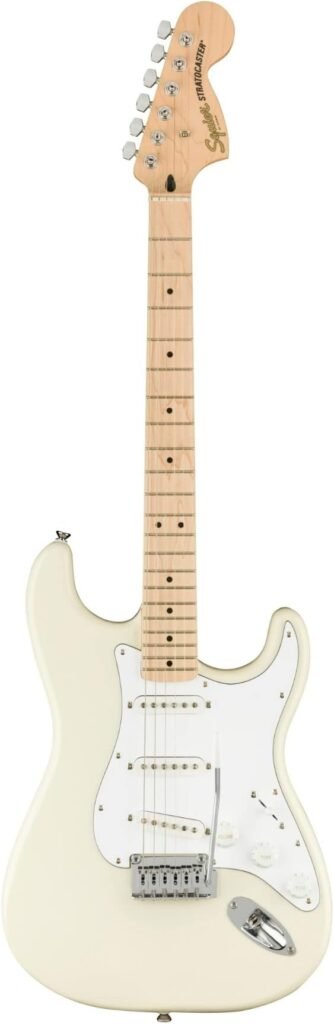

The Squier Affinity Series Stratocaster typically pairs a poplar body with a maple neck and a comfortable C-shaped profile that suits many beginners. Three single-coil pickups deliver the classic Strat tone—bright, articulate, and versatile across rock, blues, pop, and funk.
Medium-jumbo frets and a user-friendly neck profile improve playability for new players learning chord shapes and scales. The synchronized tremolo bridge adds expressive options, though a fixed bridge can be easier to keep in tune for absolute beginners.
🎸 Squier Affinity Stratocaster – Classic Tone for New Players
The Squier Affinity Stratocaster delivers legendary Fender style and tone at an affordable price. With its smooth neck, responsive single-coil pickups, and lightweight body, it’s one of the best beginner guitars for those chasing that unmistakable Strat sound and feel.
Fender Squier Debut Series Stratocaster: Features & Value
The Fender Squier Debut Series Stratocaster is offered as a complete beginner package in some listings. These bundles usually include the guitar, a practice amplifier, cable, strap, and picks — a convenient way to start without hunting for accessories.
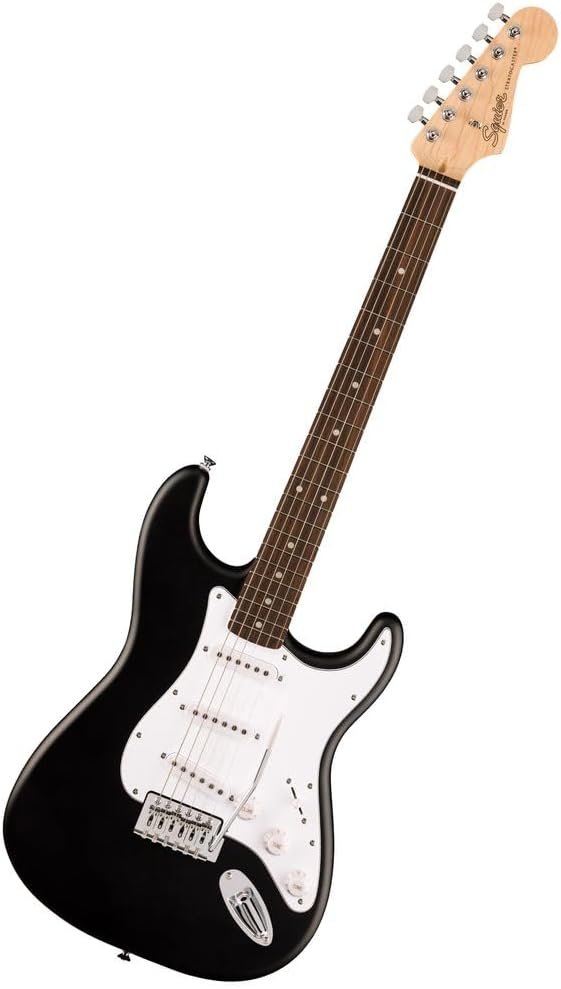
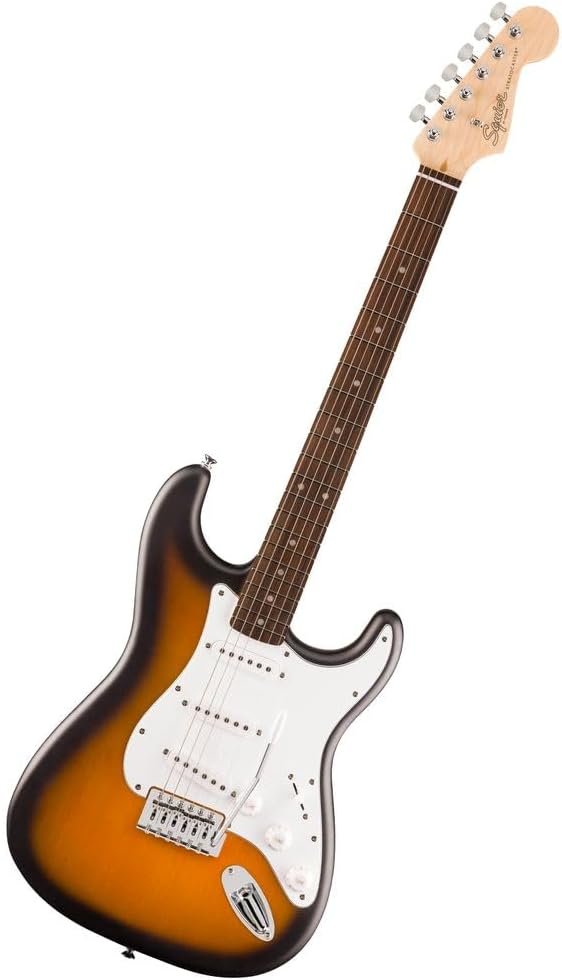

Pros of the bundle: immediate playability out of the box and predictable cost. Cons: pack-in accessories (especially amps and cables) may be basic; upgrading a cheap amp or cable later is a common next step for better sound.
Which to choose: pick the Squier Affinity Series Stratocaster (guitar-only) if you already have preferred accessories or want to select a higher-quality amp later. Choose the Fender Squier Debut Series Stratocaster package if you want everything in one purchase and prefer the convenience of a ready-to-play kit.
Before buying, check product listings for details like the exact neck profile, fingerboard material, and whether the included amp supports headphones for silent practice — a useful feature for bedroom practice sessions.
🎸 Squier Debut Series – Your First Step into Fender Sound
The Squier Debut Series is designed to make starting your guitar journey effortless and fun. With a comfortable neck, lightweight body, and that unmistakable Fender-inspired tone, it’s the perfect gateway for players taking their very first steps into the world of electric guitars.
STRICH Electric Guitar for Beginners Overview
The STRICH Electric Guitar Beginner Kit is an all-in-one option aimed at new players who want a ready-to-play solution without shopping for extras. It packages an electric guitar with essential accessories so beginners can start practicing right away.

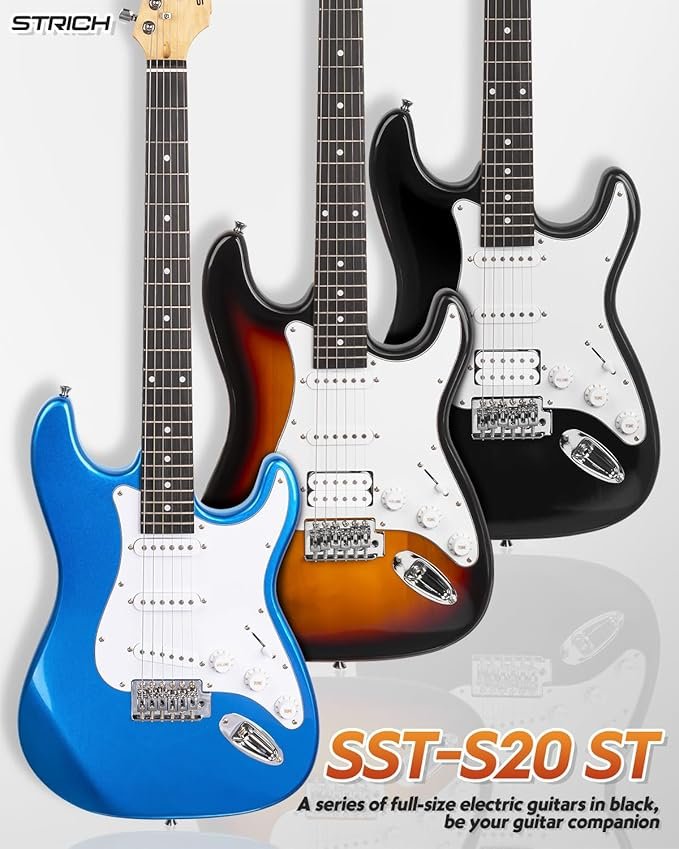

Visually, the Sapphire finish stands out and can help motivate practice — an often-overlooked factor when keeping a new player engaged. The included starter kit typically contains a cable, strap, picks, and sometimes a small practice amplifier, which makes the initial setup simple and convenient.
Build-wise, STRICH models use solid-body construction with a focus on durability and manageable weight. Expect reasonable factory setup for the price tier, but plan to check intonation and string action on arrival; a modest professional setup can dramatically improve playability.
Electronics are basic and easy to use, producing a balanced sound suitable for rock, pop, and blues practice. The straightforward controls help beginner players learn how pickups and tone/volume settings affect their overall sound without unnecessary complexity.
Who it’s best for: parents or buyers seeking a complete starter package that includes accessories and a playable instrument out of the box. If you already own a quality amp or cables, consider whether the bundle duplicates gear you don’t need.
🎸 STRICH Electric Guitar Beginner Kit – Everything You Need to Start
The STRICH Electric Guitar Beginner Kit is the perfect all-in-one bundle for new players. It includes a full-size electric guitar, amplifier, cable, strap, picks, and more—everything you need to start playing right out of the box. Affordable, reliable, and ideal for your first steps into the electric guitar world.
Quality-to-price note: STRICH typically delivers solid entry-level value, though upgrading cables, picks, or the amp later may improve the practice experience. Compare the included accessories against buying higher-quality standalone items if you seek better long-term performance.
Donner Electric Starter Guitars: A Closer Look
Donner has become a popular choice for beginners who want feature-rich instruments and complete kits at an affordable price. Their starter guitars and bundles remove much of the guesswork for new players by including the most-used accessories and a playable setup out of the box.

Donner DMT-66 (gradient finish)
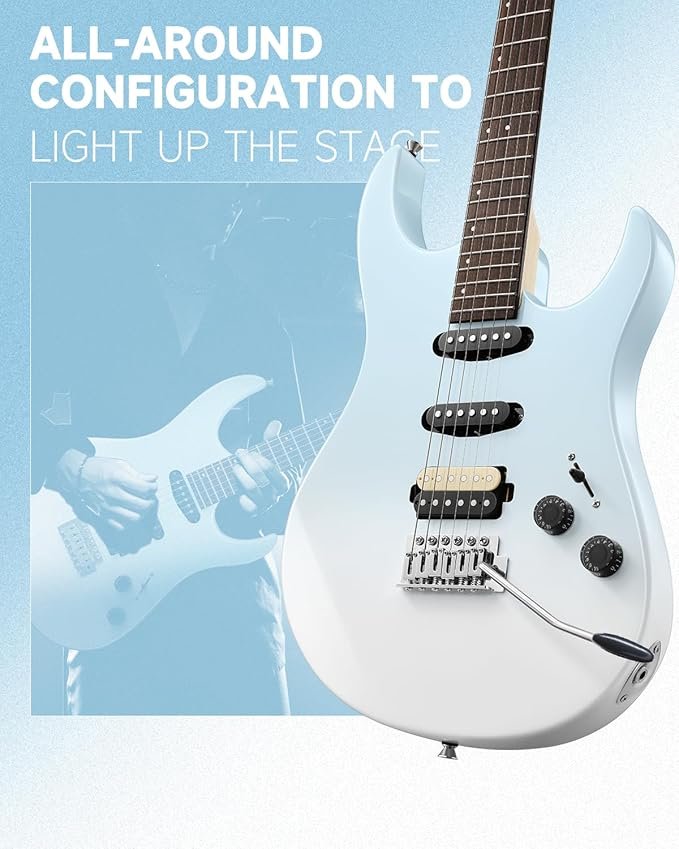


The Donner DMT-66 stands out with a striking gradient finish and contemporary design that appeals to players who want a modern look. It typically features a comfortable neck profile, stable hardware, and electronics tuned for clear, practice-friendly sound.
Why pick it: best for players who prioritize visual style plus dependable basic tone for daily practice.
🎸 Donner DMT-66 39” Electric Guitar Kit – Full Starter Bundle
The Donner DMT-66 39” Kit gives beginners everything they need to start playing immediately. This complete package includes a stylish full-size guitar, a compact amp, tuner, strap, gig bag, picks, and cables—ideal for first-time players who want a smooth and fun learning experience.
DONNER DST-80 (value starter)


The DONNER DST-80 is positioned as a budget-friendly, full-featured starter guitar. It usually comes as part of a complete kit with amp, cable, strap, and picks — a straightforward way for new players to begin without extra purchases.
Why pick it: best for cost-conscious buyers who want a reliable package and decent playability right away.
🎸 Donner DST-80 – Modern Features, Classic Strat Style
The Donner DST-80 delivers premium tone and comfort at a beginner-friendly price. Featuring an HSS pickup setup, smooth maple neck, and quality craftsmanship, it’s perfect for players seeking that classic Stratocaster feel with a modern edge and outstanding value.
Donner DST-100T (kit with headphone option)
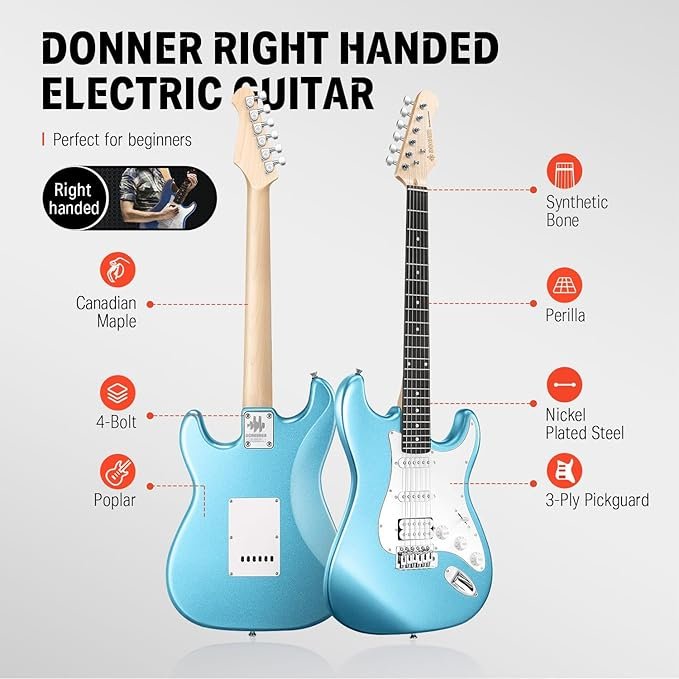

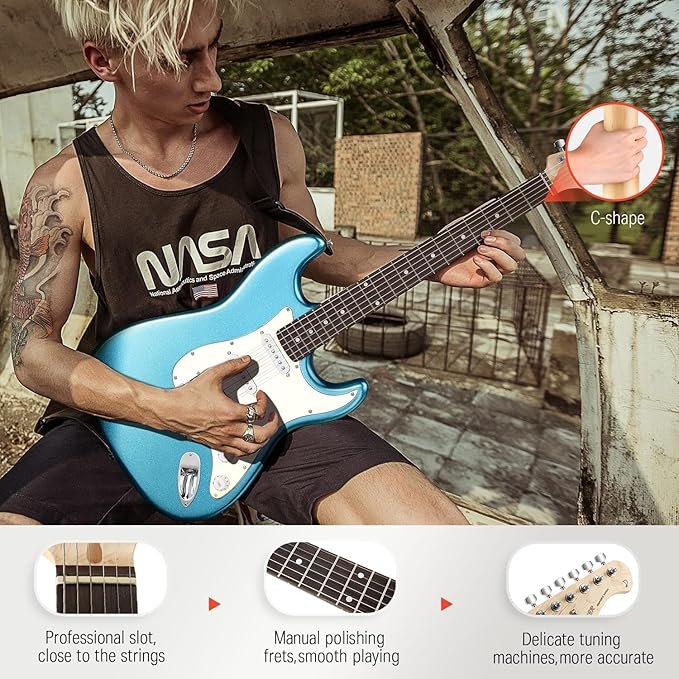
The Donner DST-100T adds a useful modern feature: a headphone-capable practice amp or headphone output on the amp included in the kit, enabling silent practice. This makes the DST-100T especially practical for bedroom practice or shared living spaces.
Why pick it: best for players who need silent practice capability and a complete, ready-to-play kit.
🎸 Donner DST-100T – Complete Starter Kit with Great Tone
The Donner DST-100T is one of the most popular beginner bundles for a reason. It features a versatile HSS pickup configuration, solid build quality, and comes with everything you need to start playing right away — including an amp, cable, strap, tuner, and gig bag. Excellent value for new guitarists.
Quick comparison summary:
- DONNER DST-80 — best value kit for new players (budget-friendly, complete accessories).
- Donner DMT-66 — best for looks and contemporary finish (gradient aesthetic, comfortable neck).
- Donner DST-100T — best for silent practice (headphone support) and convenience.
Tip: when evaluating a Donner kit, test the headphone output and included amp features (if present) to confirm sound quality and volume control. Inspect the neck profile, hardware stability, and overall finish — these models offer strong beginner value, but confirming those basic specs ensures you get the best experience for your money.
Features That Make a Great First Guitar
The difference between an inspiring practice session and a frustrating one usually comes down to a few core characteristics. The best starter guitars balance comfortable playability, musical sound, and solid construction at an affordable price.

Proper string action is one of the most important setup items for new players. Strings set too high make chord shapes painful; properly adjusted action lets your fingers press cleanly without buzzing. If action is off on arrival, a basic setup from a tech usually fixes it quickly and makes the instrument enjoyable to play.
The neck profile affects how the guitar sits in your hands. Look for a profile that matches your hand size — slim C-shapes suit many beginners, while players with larger hands might prefer slightly wider profiles. Smooth fret edges and straight neck alignment are essential for clean chords and comfortable practice.
Body design matters for comfort during typical 20–30 minute practice sessions. A manageable weight, balanced contours, and ergonomic cutaways (when present) prevent strain and make it easier to practice regularly.
Tone quality should inspire you to keep playing. Clear, musical response across pickup selections and volume levels motivates practice. For beginners, forgiving, balanced tones are usually more useful than hyper-specialized voicings.
Hardware reliability is also important: solid tuning machines, secure bridge saddles, and crackle-free electronics reduce maintenance and frustration. The right first guitar becomes a long-term companion rather than a temporary loaner.
Quick checks to perform in-store or on delivery
- Tune stability — tune up and play for a few minutes; does it hold pitch?
- Neck straightness — sight down the neck for bows or twists.
- Fret buzz — fret notes at the 3rd, 7th, and 12th frets to check for buzzing or dead spots.
- Action — press a string at the 1st and 12th fret to feel string height; high action is harder to play.
- Pickup balance and electronics — plug in and roll through pickup and tone settings to confirm balanced volume and no crackling.
Recommended immediate step: if action or intonation feels off, get a professional setup — it’s often inexpensive and dramatically improves playability. For guidance on which of the reviewed models best match these features (short-scale comfort, easy action, quiet electronics), jump to the model comparison in the In-Depth Model Roundup.
Comparing Acoustic and Electric Options for Starters
Choosing between an acoustic guitar and an electric is one of the first decisions new players face. This guide focuses on electric models, but understanding the practical differences helps confirm the right path for your musical goals.

Many fundamental skills transfer between both types — chord shapes, rhythm, and basic technique — but the physical feel and equipment needs differ. Electrics often make the early stages easier for many beginners because of their neck profiles, string gauge options, and volume control via amplification.
Advantages of Electric Guitars for New Players
- Narrower necks and lighter strings: Most electric guitars use thinner neck profiles and lighter string gauges, which usually require less finger strength to fret cleanly.
- Volume control and silent practice: With an amp or headphone-capable practice amp (like the Donner DST-100T kit), you can practice quietly, which helps apartment or shared-space players.
- Tonal versatility: Pickup selectors and tone/volume controls let beginners explore clean to distorted sounds without changing instruments, keeping practice engaging.
- Playability focus: Many starter electrics (Ibanez GRGM, Ibanez Gio GRX70QA, Squier Affinity Series Stratocaster) prioritize easy action and slim necks to accelerate learning.
Considerations When Thinking About Acoustic Alternatives
- Natural sound without extra gear: An acoustic guitar produces full sound without an amp — that simplicity is convenient for outdoors or casual practice.
- Body shapes and volume: Dreadnought-bodied acoustic guitars are commonly offered and provide strong volume and low-end presence, but their larger size can be less comfortable for smaller players.
- Top construction matters: Solid spruce tops (vs. laminated tops) typically deliver brighter, more resonant tone and improve with time — however, solid-top acoustics usually cost more and may require slightly more careful handling.
- String tension and finger strength: Acoustic strings (especially on many dreadnoughts) are often heavier; beginners may find them harder on the fingertips until calluses develop.
🎸 Yamaha 6-String Beginner Guitar – Solid Spruce Top Quality
The Yamaha 6-String Beginner Solid Spruce Top guitar combines excellent craftsmanship with warm, resonant tone. Its solid spruce top delivers clarity and projection rarely found at this price point, making it a favorite choice for beginners who want a guitar that will grow with their skills.
Quick pros & cons (scannable)
- Electric — pros: easier fretting, headphone practice, tonal variety; cons: requires amp/cable (though many starter kits include these).
- Acoustic — pros: plug-free play, strong natural volume, great for singer-songwriters; cons: potentially tougher on fingertips, less tonal variation without effects.
If you’re undecided, ask yourself: Do you want to play quietly and explore different tones (electric), or do you prefer a single, portable instrument that sounds full unplugged (acoustic)? For many beginners who want an easier physical entry and silent practice options, an electric starter like the Ibanez GRGM (short-scale) or a Squier Stratocaster model provides a gentler learning curve. If you favor folk or country styles and open-chord strumming, consider an acoustic with a comfortable body shape or a solid spruce top if you plan to keep the instrument for years.
Expert Tips for Assessing Tone and Playability
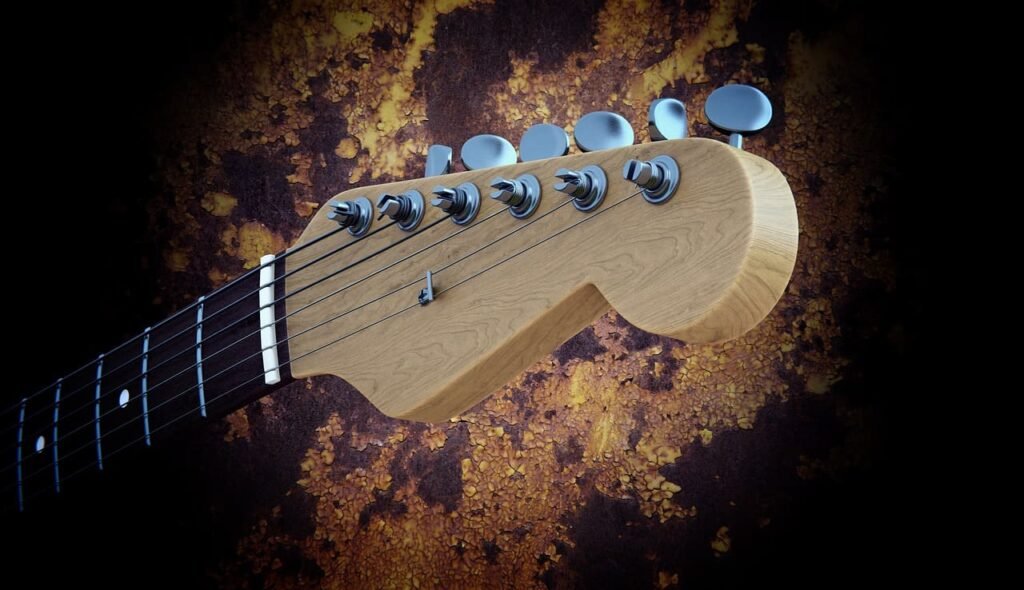
This expert advice gives simple, repeatable tests you can do in-store or at home to confirm a guitar’s playability and sound quality. Follow these steps to spot fixable setup issues versus deal‑breakers before you commit.
Tuning, Setup, and Neck Straightness
Start by tuning the guitar to standard pitch. A guitar that won’t hold tuning is a real frustration and may indicate poor hardware or setup.
Sight down the neck from the headstock toward the body; you should see a very slight forward bow (relief) when tuned, but not severe dips or twists. A large warp or twist is a deal-breaker; minor relief or very low action can usually be corrected with a setup.
Press each string at the 1st and 12th frets and play notes across the fretboard to check for buzzing or dead spots. Smooth fret edges are important for comfortable playability; rough frets are a fixable issue but worth noting.
Volume, Electronics, and Sound Quality Checks
For electric guitars, plug into an amplifier and cycle through pickup positions while adjusting volume and tone controls. Listen for consistent output and for any crackling or intermittent noise — crackle from pots or switches can sometimes be cleaned but persistent noise may require repair.
Play single notes and chords on every string up and down the neck to confirm an even sound and balanced volume between pickups. Listen for changes in sustain or tone that could indicate loose hardware or poor wiring.
Quick action checklist (do this sequence)
- Tune → confirm it holds pitch after playing for a few minutes.
- Sight the neck → look for straightness or extreme warp.
- Fret-check at 3rd, 7th, and 12th frets → listen for buzz or dead notes.
- Plug in → test each pickup, volume, and tone for crackle and balance.
- Physical check → tuners, bridge saddles, nut, and electronics feel secure.
Simple fixes vs. deal-breakers: minor fret buzz or high action is usually fixed by a professional setup; a severely warped neck, badly cracked finish, or wildly unreliable electronics are probably not worth buying.
Practical tip for online purchases: record a short video (10–30 seconds) of the guitar plugged in and playing key checks — tuning, a chord, and switching pickups — so you have evidence for returns if needed.
Estimated professional setup: many shops charge a modest fee for a basic setup (truss rod adjustment, action, intonation) — this can greatly improve playability and is often worth the investment for a new guitar.
Best electric guitars for beginners: In-Depth Model Roundup
Now that we’ve reviewed each instrument, this roundup condenses the findings into a clean comparison so you can pick the best match for your hands, budget, and musical goals.

Overview of Our Selected Starter Models
We grouped the nine featured models into three practical categories to simplify your decision:
- Compact Models: Ibanez GRGM — a short-scale option built for smaller hands and younger players.
- Full-Size Value Options: Ibanez Gio GRX70QA, STRICH Electric Guitar Beginner Kit, DONNER DST-80, Donner DMT-66 — full-size instruments (some sold as kits) that balance features and affordability.
- Premium Beginner Choices: Squier Affinity Series Stratocaster, Fender Squier Debut Series Stratocaster (beginner package), and the Squier Classic Vibe 50s Telecaster — models with classic designs, trusted construction, and a more refined feel.
Note: some listings are guitar-only while others are sold as complete kits (for example, the STRICH Electric Guitar Beginner Kit and many Donner listings include amp and accessories). Always check the product page for kit contents, current price, and Amazon return policy before buying.
Compact comparison matrix (quick scan)
- Ibanez GRGM — Scale: short; Pickups: practice-friendly; Kit: guitar-only; Best for: kids, smaller hands; Why: easiest physical entry for new players.
- Ibanez Gio GRX70QA — Scale: standard; Pickups: HSH/HSS variants; Kit: guitar-only (typically); Best for: full-size beginners wanting tonal variety; Why: versatile rock/pop tones at a low price.
- STRICH Electric Guitar Beginner Kit — Scale: standard; Pickups: basic versatile set; Kit: includes amp, cable, strap, picks; Best for: buyers who want a complete starter package; Why: plug-and-play convenience.
- DONNER DST-80 — Scale: standard; Pickups: beginner-friendly set; Kit: usually bundled; Best for: budget-conscious buyers wanting a full kit.
- Donner DMT-66 — Scale: standard; Finish: gradient; Kit: varies; Best for: players who value contemporary design plus beginner-friendly setup.
- Donner DST-100T — Scale: standard; Feature: headphone-capable amp/outputs; Kit: usually bundled; Best for: silent practice and apartment-friendly use.
- Squier Affinity Series Stratocaster — Scale: standard; Pickups: three single-coils; Kit: guitar-only; Best for: players wanting classic Strat tone and easy playability.
- Fender Squier Debut Series Stratocaster — Scale: standard; Kit: complete beginner package (guitar + amp + accessories); Best for: buyers who want an out-of-the-box starter solution.
- Squier Classic Vibe 50s Telecaster — Scale: standard; Pickups: bright single-coils; Kit: guitar-only; Best for: vintage Tele tones and straightforward, articulate sound.
What sets these models apart
Each guitar emphasizes a particular strength: the Ibanez GRGM prioritizes short-scale comfort; the Ibanez Gio GRX70QA and Squier models deliver classic tones and trusted brand construction; STRICH and Donner kits bundle accessories for instant playability; and the Donner DST-100T adds headphone practice for quiet rehearsals.
How to choose: line up your priorities — hand size, whether you need a kit, preferred music styles, and budget. If you want the easiest physical playability, the Ibanez GRGM is our top compact pick. If you prefer a full kit and immediate practice capability, consider the STRICH Electric Guitar Beginner Kit or a Donner kit (DONNER DST-80 or Donner DST-100T). For classic vintage tones and long-term value, the Squier Classic Vibe 50s Telecaster or Squier Affinity Series Stratocaster are strong options.
Compare prices and buy on Amazon (check seller ratings and the return policy). Remember: a small professional setup after purchase often makes a major improvement in playability and is worth the investment.
Guide to Guitar Accessories and Essential Add-Ons
Buying a guitar is only the first step — a few well-chosen accessories make practice easier, protect your investment, and improve the playing experience. Some starter kits include basics, but knowing what to prioritize prevents needless purchases.
If you’re on a budget, buy the essentials first (tuner, cable, picks, strap) and upgrade the amp or case later as needed.

Amplifiers, Cables, and Cases
Electric guitars need amplification to reach their full volume and tone. A small practice amp in the 10–20 watt range is ideal for home use — it’s loud enough for practice but not so loud it disturbs others. Look for a headphone jack (for silent practice) and an auxiliary input if you want to play along with backing tracks.
Choose a well-shielded 1/4″ instrument cable — a 10-foot length is a practical balance between mobility and tidy setup. Avoid very cheap, flimsy cables; poor shielding causes noise and signal loss.
Protect the instrument with the right case for your needs: a padded gig bag is fine for lessons and short trips, while a hard case is recommended if you travel frequently or check the guitar on transport. Check whether the product listing includes a case — many starter bundles do not.
Tuners, Picks, and Straps
An electronic tuner (clip-on or pedal) is essential; clip-on tuners are inexpensive and fast for beginners. Keep it close to the headstock for quick tuning checks.
Picks come in various thicknesses — a medium pick around 0.70–0.73mm is a good starting point for most beginners because it balances strumming and single-note control. Try a small sampler pack to find what feels best for your hands.
A comfortable, adjustable strap is important if you plan to play standing up. Look for a strap with sturdy ends and a width that distributes weight comfortably across your shoulder.
Buying tip: some starter kits bundle many of these items together for convenience and value. If you already own a tuner or amp, buy the guitar-only option to avoid duplicate accessories. Always check the product page and returns policy before purchasing accessories online.
⚡ Amps & Accessories – Complete Your Setup
Don’t stop at the guitar — enhance your sound and playing experience with essential gear like practice amps, tuners, straps, extra strings, and pedals. These accessories make a huge difference for beginners and seasoned players alike.
Price, Warranty, and Support: Making an Informed Purchase Decision
Understanding the total cost picture helps ensure your purchase delivers long-term value and a positive playing experience. The nine models we reviewed generally fall into three price tiers, but exact prices change frequently — always check the Amazon listing for current pricing and stock.
Price tends to reflect build quality, hardware, and brand reputation. While bundled packages offer convenience, buying a guitar-only instrument can be smarter if you already own an amp or accessories.
Manufacturer warranties vary widely (from short-term coverage to limited warranties). Warranties usually protect against manufacturing defects but do not cover normal wear or accidental damage, so confirm terms on the manufacturer’s website for each model.
Pricing tiers (rough guide)
- Budget — <$150: Basic starter kits and some entry-level electrics (often bundled with amp/accessories). Good for trying the instrument with minimal spend.
- Value — $150–$250: The sweet spot for many beginners: better construction, more reliable hardware, and improved playability. Several Ibanez Gio, Donner, and Squier models typically sit here.
- Mid — $250–$400: Higher-quality components, improved pickups, and more refined finishes. These models better support multi-year development.
Which models fit each tier will vary by sale and kit inclusion. For example, STRICH and many Donner kits can appear in the budget/value range depending on the bundle; the Ibanez GRGM (short-scale) and Squier Affinity often live in the value tier, while the Squier Classic Vibe series may approach the mid tier for quality that lasts through the early years of playing.
Buyer protections and smart shopping tips
- Check the Amazon seller rating and whether the listing is by an authorized dealer to ensure warranty validity.
- Read the return policy — Amazon’s return window usually lets you test the instrument risk-free, but timelines and conditions vary.
- Watch for seasonal sales (Black Friday, Prime Day) — you can often get a noticeably better price during promotion windows.
- Keep your receipt and register the product with the manufacturer if required by the warranty.
Balancing budget and quality: a $200–$250 instrument from a reputable brand often hits the best intersection of affordability and longevity for most beginners. If you plan to keep the guitar for several years, consider spending toward the upper end of the value tier and factoring in a professional setup — that setup often yields the biggest improvement in playability.
Tips for a Smooth Transition from Beginner to Advanced Player

Moving beyond basic chords requires a focused approach that turns short-term enthusiasm into long-term skill. The right practice habits, realistic goals, and a quality instrument will accelerate progress and keep you motivated over months and years.
Prioritize consistent daily practice over occasional long sessions. Fifteen to twenty minutes every day builds muscle memory more effectively than irregular hours. Treat practice as a habit — small, focused sessions compound into real improvement.
Learning Techniques and Growth Opportunities
Begin with fundamentals: correct hand positioning, relaxed fretting, and clean chord shapes. These basics support everything that comes later and reduce bad habits that are hard to fix.
Structured lessons (teacher or app) speed progress by offering step-by-step goals and feedback. Set short-term milestones (weekly) and longer-term targets (monthly) to keep practice purposeful — for example, learn three open chords in week one, strum basic progressions by week three, and play a simple song by month one.
Suggested 0–6 month practice plan
- Weeks 1–4: Focus on posture, tuning, three open chords (G, C, D or Em), and simple downstroke strumming for 15–20 minutes daily.
- Months 2–3: Add two more chords (A, E), practice basic chord changes, introduce simple single-note melodies and timing exercises, and record short clips weekly to track progress.
- Months 4–6: Learn barre-chord shapes, simple scales (pentatonic or major), and a few songs in different styles; begin light improvisation and play with backing tracks or a metronome.
Set performance goals like playing a short piece for family, joining a group, or posting a short video — these milestones convert practice into real-world progress and motivation.
When to consider upgrading your instrument
Quality starter guitars often support several years of learning. Consider an upgrade when you consistently notice limitations: if the neck profile or action prevents technique growth, pickups or hardware constrain your desired sound, or the instrument no longer inspires you to play. At that point, move to a model that matches your preferred style and technical needs.
Document your improvement by recording monthly samples — hearing your progress over time is powerful encouragement and helps identify specific technical areas to work on.
Resources: combine lessons, online courses, and play-along tracks to diversify learning. Structured sites and apps pair well with a reliable instrument (one of the reviewed models) to give you a practical path from beginner to confident player.
🏆 Our Best Pick: Squier Affinity Stratocaster
The Squier Affinity Stratocaster is hands down the best beginner guitar for 2025. It combines Fender’s iconic tone and design with unbeatable value — perfect for anyone ready to start playing seriously. Stocks tend to move fast, so don’t wait too long to grab yours!
Best Electric Guitars for beginners – Conclusion
Every great guitarist began with a single decision to buy their first instrument. This guide gives you the information to make that choice with confidence — matching hand size, budget, and musical goals to a guitar that encourages regular practice.
All nine featured models are solid starter options: they emphasize playability, reliable construction, and a musical tone that supports learning. Your ideal pick depends on priorities like physical fit, whether you want a complete kit, and the sound you enjoy.
Remember: consistent practice matters far more than owning the most expensive instrument. Any of these guitars will serve you well when paired with focused daily practice and good instruction. The real progress comes from time spent playing, not gear alone.
If you want a plug-and-play kit, consider the STRICH Electric Guitar Beginner Kit or the Donner DST-100T; for smaller hands pick the Ibanez GRGM; for classic Tele tones choose the Squier Classic Vibe 50s Telecaster. Compare prices and buy on Amazon, and always check the seller’s return policy and warranty before you complete your purchase.
Take that first step today — within days you can be practicing, learning, and enjoying the rewarding experience of making music. Your journey toward musical improvement starts at one decisive point in time: when you pick up your first guitar and begin.




[…] most revealing insights about guitar playing come from the artists themselves. Their perspectives reveal what separates technical proficiency […]
[…] For beginners, the Fender Player II Stratocaster is an excellent option due to its comfortable neck and versatile tone. Intermediate players looking for more speed and power might prefer the Jackson X Series Soloist SLX or the Charvel Pro-Mod So-Cal, which provide faster necks, hotter pickups, and solid playability across genres. […]