


Who are the best guitar players of all time? Few instruments capture the imagination like the six-string. It is a primal and universal tool for expression. Anyone can learn a few chords, but a lifetime is needed to truly master its power.
This guide celebrates the legendary musicians who did more than just play. They transformed modern music with their innovative techniques and groundbreaking songs. Their influence stretches across rock, blues, jazz, and more.
Our selection, inspired by lists like the one from Rolling Stone, prioritizes raw feeling over pure polish. We value the risk-takers and originators who channeled their talent into game-changing albums.
These artists left an indelible mark on history. They redefined what was possible and inspired countless others to pick up the instrument. Their signature sounds became an extension of their very identity.
Introduction to Legendary Guitar Playing
What separates exceptional musicians from mere technicians is their profound bond with their instrument. Joan Jett captured this perfectly: “My guitar is not a thing. It is an extension of myself. It is who I am.” This connection transforms technical skill into genuine artistic expression.

“My guitar is not a thing. It is an extension of myself. It is who I am.” Joan Jett
Legendary guitar playing goes beyond flawless execution. It represents a deep personal relationship where the six-string becomes an extension of the musician’s identity. The greatest guitarists combine natural talent with years of dedicated practice.
They develop an intuitive understanding of emotional communication through their playing. These artists demonstrate that music involves more than hitting the right notes. True mastery requires the ability to tell stories and evoke powerful feelings.
Throughout history, iconic musicians have shown the instrument’s dual nature. Its accessibility makes it universally appealing to people everywhere. Yet its complexity offers endless possibilities for creative exploration.
The most memorable guitarists understand that every note contributes to a larger narrative. Their distinctive approach to playing creates instantly recognizable sounds. This musical language bridges cultural divides and touches listeners across generations.
The Legacy of Guitar Innovation
Across more than a century, guitar craftsmanship has continuously reinvented musical expression. This evolution connects folk pioneer Elizabeth Cotten, born in 1893, with contemporary artists like Lindsey Jordan from 1999.
The instrument’s development spans diverse genres worldwide. Each style contributed unique approaches to guitar history.
Historical Milestones in Guitar Music
Key moments shaped the guitar’s journey through time. The 1930s brought electrification, transforming the instrument’s capabilities.
The 1950s rock and roll explosion created new sonic possibilities. British Invasion bands of the 1960s further expanded the guitar’s influence.
Technical revolutions in the 1980s pushed boundaries even further. Each era built upon previous innovations while introducing fresh perspectives.
Revolutionary Techniques and Styles
Innovative players developed groundbreaking methods that defined their style. Fingerpicking, power chords, and feedback manipulation opened new creative pathways.
Unconventional tunings and tapping techniques expanded sonic possibilities. These approaches demonstrate how guitar innovation occurs through both formal training and self-taught experimentation.
The instrument has adapted to technological advances while maintaining its expressive character. This adaptability ensures the guitar remains at music’s forefront across generations.
Defining the Best Guitar Players of All Time
What elevates an artist from skilled technician to musical icon encompasses multiple dimensions. True mastery involves more than technical proficiency alone. It requires a complete package of artistic qualities.

Technical skill provides the foundation, but emotional connection defines greatness. The ability to evoke feelings through playing separates competent musicians from legendary artists. This emotional depth resonates with listeners across the world.
A distinctive personal style creates instant recognition. Each great guitarist develops a unique voice that sets them apart. Their playing becomes an extension of their artistic identity.
Innovation plays a crucial role in establishing lasting impact. Boundary-pushing artists introduce new techniques and sounds. They reshape how people perceive the instrument’s capabilities.
The complete picture emerges from combining technical mastery with creative vision. An influential body of work demonstrates sustained excellence. Legacy reflects how an artist’s contributions continue to inspire future generations.
Ultimately, the most respected musicians use their ability to serve the music. They tell compelling stories rather than merely displaying technique. This approach creates work that stands the test of time.
The Rock and Roll Vanguard: Pioneers and Icons
The vanguard of rock consisted of trailblazers who turned the electric guitar into the genre’s dominant voice. These innovators pushed technical boundaries while creating unforgettable music.
Influential Figures in Rock History
Jimmy Page built one of rock’s most impressive careers. He progressed from session work to the Yardbirds before founding the legendary Led Zeppelin. His iconic riffs on tracks like “Whole Lotta Love” defined the band‘s powerful sound.

Page’s musical architecture reached its peak with “Stairway to Heaven.” This composition blended folk, blues, and hard rock into something transcendent. His work with Led Zeppelin established new standards for rock creativity.
Eddie Van Halen revolutionized electric guitar playing so dramatically that rock history divides into pre- and post-Van Halen eras. His technical innovations included popularizing finger-tapping techniques.
Van Halen’s custom-built Frankenstrat guitar became as iconic as his playing. Tracks like “Eruption” showcased his explosive approach to the instrument. He transformed what people expected from rock guitar performance.
Both artists exemplify how true pioneers reimagined their instrument’s potential. They inspired generations of musicians to explore new sonic territories. Their legacy continues to shape rock music today.
Iconic Blues Influences and Their Impact
From smoky juke joints to stadium stages, blues guitarists carried a soulful tradition into mainstream consciousness. Their raw emotional approach became the essential foundation for rock’s explosive development.
Soulful Expressions in Blues and Rock
Stevie Ray Vaughan embodied the perfect fusion of traditional blues feeling with modern rock intensity. His ferocious guitar solos channeled raw emotional power through his treasured “Number One” Fender Stratocaster.

Vaughan’s most distinctive quality was his ability to mesh his voice and guitar into a singular sound. Both emerged from the same emotional source, creating an inseparable artistic identity. His impact extended beyond blues circles when he redefined David Bowie’s sound in the 1980s.
Eric Clapton earned the title “blues maestro” through his dedication to the genre. He developed his skills across multiple bands before establishing his legendary solo career.
Clapton’s “woman tone” and melodic solos demonstrated how blues guitar could convey deep emotional nuance. B.B. King’s praise captured how deeply Clapton absorbed blues traditions. He noted Clapton “sings like he was born down below Mississippi.”
The soulful expressions of these blues masters continue influencing contemporary music. Their approach to bending notes and conveying emotion remains essential to guitar playing across all genres.
Trailblazers of Guitar Technique
Some musicians don’t just play their instruments—they reinvent how they’re played entirely. These innovators transformed technical limitations into creative advantages.
Innovative Playing Styles and Methods
Jimi Hendrix created a completely unique style by playing a right-handed guitar upside down. His ambidextrous abilities allowed him to develop an approach no one could replicate.
Hendrix mastered amplifier feedback as a creative tool. He turned technical problems into musical elements.
Andy Summers of The Police brought jazz chords and reggae rhythms into rock. His sparse playing created maximum impact with minimal notes.
Robby Krieger’s flamenco and jazz training helped him push beyond blues conventions. He filled multiple roles in the Doors’ bass-less lineup.
Signature Instrumentation and Customization
These artists treated their instruments as extensions of their musical vision. Each developed signature methods that defined their sound.

Krieger felt like “three players simultaneously” in his playing. This forced innovation in his instrumental style.
Summers constructed “clipped twitches or dubby washes of sound.” His restraint influenced generations of alternative guitarists.
Each trailblazer proved that mastery extends beyond traditional techniques. They customized their instruments into true extensions of their art.
Rock Icons and Their Signature Sounds
Iconic rock musicians develop sonic signatures so unique that listeners can identify them within seconds. Their distinctive approach to the instrument creates an unmistakable audio fingerprint that defines their artistic identity.

Leslie West of Mountain crafted a massive, aggressive tone through heavily distorted amplifiers. He combined roughened blues lines with R&B flair, creating incredible riffs with genuine feeling. Dave Davies praised his ability to play flashy phrases without showmanship.
Steve Jones of the Sex Pistols established punk rock‘s defining sound. His white Les Paul Custom delivered brutish power chords that mirrored Johnny Rotten’s rebellious attitude. Jones became the yardstick for every punk noise-maker who followed.
Duane Eddy pioneered instrumental possibilities with his 1958 hit “Rebel Rouser.” He used country twang and rippling tremolo to create a revolutionary sound. Dave Davies noted how Eddy transformed vibrato into an aggressive sonic signature.
These artists proved that iconic tones emerge from personal vision rather than established formulas. Their signature sounds resulted from unique equipment choices and playing techniques. Each guitarist‘s distinctive style continues to influence modern rock music.
The Role of Guitarists in Shaping Musical Trends
Musical history often pivots on the vision of a single guitarist who dares to sound different. These innovators don’t just follow trends—they create entirely new directions for music to explore.

Tony Iommi of Black Sabbath established heavy metal as a distinct genre. Despite losing the tips of two fingers in an accident, he developed a dark, heavy sound that became metal’s foundation. His relentless guitar work inspired generations worldwide.
Without Iommi’s pioneering approach, bands like Judas Priest and Metallica might never have formed. His influence demonstrates how one guitarist’s innovation can spawn an entire musical movement.
Across the world, Gustavo Cerati transformed Latin rock with his band Soda Stereo. His hit “De Música Ligera” helped launch a pan-American rock en español boom in the mid-Eighties. Cerati proved that guitar-driven innovation knows no linguistic boundaries.
These guitarists show how musical evolution occurs through revolutionary leaps. Over the years, trends emerge when visionary players combine styles in unexpected ways. Their lasting influence confirms that great guitar playing can literally change the sound of an entire genre.
A Glimpse Into the Evolution of Guitar Sounds
Every era in music history has introduced revolutionary approaches to guitar tone and technique. The instrument’s sonic journey spans over a century, progressing from acoustic folk traditions to infinite modern possibilities. Different periods brought distinct sound concepts that defined their time.
Greg Sage of the Wipers formed his Portland band in 1977, creating complex songs with jagged, distorted guitar textures. His innovative approach transcended punk boundaries and influenced future generations. Kurt Cobain acknowledged this legacy, stating “We learned everything from the Wipers.”
Technological advances in amplification and effects processing expanded the instrument’s expressive palette across multiple genres. The guitar‘s adaptability made it essential to rock, jazz, blues, and world music styles. Each genre developed unique sonic characteristics that reflected cultural influences.
This evolution demonstrates that guitar sounds constantly develop as players discover new techniques. Over the years, rock musicians have pushed sonic boundaries in every generation. The instrument’s versatility ensures its continued relevance across time, with future innovations still awaiting discovery.
The Art of Instrument Customization and Sound Experimentation
Behind every legendary tone lies a story of technical curiosity and creative modification. The greatest musicians often become instrument architects, refusing to accept factory limitations.
Eddie Van Halen exemplified this approach. He personally built and wired his guitars, creating the iconic red, white, and black striped Frankenstrat. His home studio 5150 featured floor-to-ceiling shelves of recording tapes, demonstrating his relentless work ethic.

Brian May’s custom-built guitar, constructed with his father from unconventional materials, directly shaped Queen’s distinctive sound. This unique choice produced tones impossible to replicate with standard instruments.
Ricky Wilson of the B-52s took an unconventional way of customization. He often used only four or five strings on his blue Mosrite guitar with odd tunings. His philosophy captured the essence of experimentation: “I just tune the strings till I hear something I like.”
This sound exploration extends beyond equipment to effects, amplifiers, and recording techniques. Each artist’s choice to customize reflects their commitment to developing a unique voice. The result is a personal guitar sound that becomes instantly recognizable.
Breaking Barriers: Women and Diverse Voices in Guitar Playing
While mainstream recognition often focused on male musicians, women and diverse voices were quietly revolutionizing guitar playing. These innovators faced significant obstacles but created lasting impacts.
Sister Rosetta Tharpe pioneered electric guitar in gospel and early rock decades before most recognized guitarists emerged. Her work helped establish the instrument as rock’s essential voice.
Barbara Lynn, a Beaufort, Texas native, taught herself to play right-handed guitars upside down. At just sixteen, she created the 1962 R&B Number One hit “You’ll Lose a Good Thing.”
Etta Baker’s name became synonymous with Piedmont blues. Born in 1913 to a multi-racial North Carolina family, her instrumental compositions influenced Bob Dylan and Taj Mahal.

Jennifer Batten demonstrated technical mastery on Michael Jackson’s massive world tours. She later proved herself capable of matching Jeff Beck’s virtuosity in collaboration.
H.E.R. achieved historic recognition in 2021 as the first Black woman to receive a signature Fender Stratocaster. This acknowledged both her exceptional playing and her role in inspiring diverse people.
These pioneering guitarists expanded the instrument’s possibilities by bringing different perspectives and musical traditions. Their contributions show that exceptional music transcends gender and race.
Collaborations and Musical Partnerships That Changed Music History
The greatest musical innovations often emerge from creative partnerships. Throughout music history, legendary players achieved their peak when working with complementary musicians.
These collaborations produced some of the most innovative work in guitar history. The right combination creates chemistry that amplifies each member’s abilities.
Duo Dynamics and Band Synergy
The National features Aaron and Bryce Dessner, a virtuosic twin-guitar duo. Their intricate interplay defines the band‘s atmospheric rock sound.
Aaron Dessner’s collaboration with Taylor Swift on Folklore demonstrated cross-genre partnerships. His Jerry Garcia-like guitar work added depth to her songwriting.
Symbiotic pairs like Kim and Kelley Deal of the Breeders show how two guitarists create impossible sounds. Adrian Smith and Dave Murray of Iron Maiden exemplify this synergy.
The Jimi Hendrix Experience showcased perfect band synergy. Mitch Mitchell’s drumming and Noel Redding’s bass allowed Hendrix’s revolutionary guitar work to shine.
Even Brian May’s distinctive playing was influenced by working with Pink Floyd’s Roger Waters. These collaborations prove that guitar legends emerge through dynamic interactions with other exceptional musicians.
Influential Guitarists and Their Enduring Legacy
True musical immortality is measured by how deeply an artist’s work inspires future generations. The most influential guitarists create a legacy that shapes how people approach the instrument for decades.
Jimmy Page’s peers worship his innovations. Eddie Van Halen and The Edge consider him among rock’s most impactful greats. Paul Stanley of KISS captured this perfectly: “Jimmy is Beethoven. He paints with sound.”
Jimi Hendrix set the standard for what a legendary guitarist could achieve. Joe Bonamassa noted Hendrix was “the total package” who “used his guitar as a weapon.” His influence touched entire musical movements.

David Gilmour’s versatility earned praise from Slash as a “musical chameleon.” This adaptability demonstrates how lasting legacy includes relevance across different music contexts.
These greats established their influence through consistent innovation and mentorship. They inspired countless people to pick up the guitar and explore new creative possibilities.
The most enduring contributions to rock music come from guitarists who changed how we think about the instrument. Their distinctive sounds become permanent parts of our cultural consciousness.
Expert Insights on Guitar Playing Techniques
The most revealing insights about guitar playing come from the artists themselves. Their perspectives reveal what separates technical proficiency from true musical greatness.
Advice and Perspectives from the Masters

Gary Clark Jr. captures the creative balance many musicians seek. He describes wanting to “wander out a bit and adventure” without getting “lost in the forest.” This approach shows his way of exploring while staying connected to musical roots.
Alex Lifeson praised Andy Summers for leaving “space around everything.” This strategic restraint demonstrates how a guitarist‘s ability to choose silence can be as powerful as their playing. Summers’ versatility across styles shows mastery involves commanding multiple approaches.
H.E.R. takes an innovative approach to her instrument. She plays her guitar “like I’m singing,” sometimes harmonizing her voice with solos. This creates a seamless connection between vocal and instrumental expression.
Keith Urban focuses on serving the music above all else. He thinks about “whatever the song seems to want” rather than showcasing technique. This philosophy prioritizes musical storytelling over personal display.
These experts consistently emphasize that great playing requires understanding the complete musical context. The best guitar work serves the larger artistic vision, knowing when a single well-placed note tells the whole story.
Celebrating a Lifetime of Guitar Music Achievements
Legendary guitar careers unfold like epic stories, with each chapter revealing new dimensions of musical mastery. True greatness emerges through sustained achievement across decades rather than momentary brilliance.
Key Moments in a Storied Career
Eric Clapton’s remarkable journey demonstrates this pattern perfectly. His early work with the Yardbirds, John Mayall, Cream, and Blind Faith established his foundation.

The musician’s solo career eventually sold 280 million records. His masterpiece Layla and Other Assorted Love Songs remains a career-defining album after fifty years.
Paul Simon’s commitment to growth led him to England during the folk revival. There he studied Bert Jansch’s acoustic mastery despite his existing success.
Simon’s 2023 album Seven Psalms, recorded in his 80s, shows maintained ability. His nimble playing proves true artists keep evolving throughout life.
Jimmy Page’s comprehensive resume includes session work, the Yardbirds, Led Zeppelin, and later supergroups. This showcases navigating different musical eras while maintaining relevance.
These careers demonstrate that legendary status comes from consistency and evolution. Lasting impact requires creating meaningful work across decades.
Conclusion
The journey through guitar mastery reveals a tapestry of innovation that spans generations. These exceptional guitarists didn’t just play notes—they spoke through their instruments with raw emotion and technical brilliance.
Their legacy continues to shape music across the world. From groundbreaking rock anthems to soulful blues expressions, each artist carved their unique path.
The story of these masters shows that true artistry transcends technical skill. They connected with audiences on a deep emotional level, creating work that stands the test of time.
Future generations will build upon this foundation, ensuring the guitar‘s evolution continues. The instrument remains a powerful voice for personal expression and musical innovation.


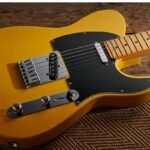


[…] option add bite and sustain. Overdriven amp tones respond well to power chords and crunchy rhythms. Many players find the guitar handles effects like delay, reverb, and modulation with clarity in both clean and […]
[…] any group of guitar lovers who the greatest guitarist of all time is, and you’ll ignite an endless debate. But it’s fascinating when two legends from that very […]