Can a guitar under $1,000 truly deliver stage-ready tone and pro-level playability, or is that just marketing spin?
In 2025 the answer is clearer than ever: many of the best guitar under 1000 options now rival instruments once priced well above this bracket. The $900–$1,000 price range has become a sweet spot for players who want upgraded fretwork, dependable hardware, and pickups that translate well in both studio and live settings.
This guide focuses on electric guitars only — short, practical reviews of the six user‑provided models below: Fender Limited II Stratocaster, Fender Limited II Telecaster, Jackson Plus Dinky, Jackson Soloist SLX, EVH Wolfgang Special, and Charvel Pro‑Mod So‑Cal. Expect concise notes on tone, neck feel, pickups, and what to check when the guitar arrives.
Whether you’re comparing guitars price and specs before a gig or hunting the best guitar under 1000 for studio work, these models deliver the sound, playability, and value most players care about. Use the short reviews that follow to quickly narrow your choices, then test neck profile, frets, and electronics in person or via the linked product pages to confirm fit and current price.
Why $1000 Is the Sweet Spot for Affordable, High-Quality Guitars
At the $900 to $1,000 price range electric-guitar buyers see a clear step up from entry-level instruments: better fretwork, improved hardware, more reliable tuning systems, and pickups that actually translate onstage and in the studio. In practice this means guitars that arrive gig-ready or need only minor setup — improved nut and saddle work, cleaner fret ends, and higher-quality bridges and tuners that help with long-term stability.
What to expect in guitars under $1000
For guitars in this band expect quality neck construction (stable truss-rod setups, consistent neck profiles), careful fret finishing, and solid manufacturing tolerances. Pickup choices and wiring options become meaningful at this price: manufacturers commonly fit higher-output humbuckers, upgraded single-coils, or versatile S/S/H layouts that broaden sonic range. You’ll also see better hardware — sealed tuners, two-point tremolos or locking bridges, and stronger electronics that reduce buzz and handling noise.
Body woods and construction for electrics
Instead of acoustic tonewoods, electric guitars emphasize body wood and construction: alder and ash remain common for balanced tone and weight, while mahogany bodies or set necks add midrange warmth and sustain. Bolt-on maple necks give attack and snap; set or neck-through constructions provide added sustain and stability. Those choices affect feel, resonance, and how pickups interact with the body — important factors when comparing models by sound and playability.
Build quality, playability, and long-term value
At this price expect refined fretwork (level frets, smooth edges), usable factory setups, and hardware that holds up under gigging conditions. Better parts and tighter QC mean fewer immediate upgrades: good tuners, stable bridges, and quality pickups will keep the guitar in tune and sounding strong. For buyers focused on long-term value, these improvements translate into better resale and a lower total cost of ownership.
- Professional features: reliable bridges and tuners, cleaner electronics, useful pickup options
- Playability: comfortable neck profiles, precise fretwork, stable factory setup
- Value: better components reduce the need for early mods and preserve guitar price over time
How to Choose the Right Guitar by Style and Playing Needs

Picking the best guitar under 1000 starts with defining how you play. Are you a rhythm player who needs punch and tuning stability, a lead player who wants access to the highest frets and a fast neck, or a tone chaser who prioritizes specific pickup voicings? For electrics, focus on pickup configuration, neck profile, bridge type, and how the guitar sits through your amp and pedals.
Matching body shapes and construction to your style
Body and construction choices affect weight, balance, and how pickups sound. Alder and ash bodies give a balanced, lightweight platform with clear tone; mahogany bodies or set-neck construction add midrange warmth and sustain for thick rhythm and lead tones. If you gig standing, consider contours and weight to avoid fatigue; if you play seated, a slightly heavier, sustain-forward body can be an advantage.
Pickup configurations and tonal range
Pickup layout determines the core sound. S/S/S (three single coils) delivers bell-like cleans and articulate chime ideal for blues, pop, and cleaner rock; H/H (two humbuckers) gives thicker, higher-output tones for rock and metal; H/S/H or H/S/S combos offer the most versatility, covering clean sparkle to high-gain bite. At this range expect better-stock pickups with clearer mids, less noise, and more usable output compared with entry-level alternatives.
Neck profile, frets, and playability
Neck profile is a make-or-break comfort factor. Slim “C” and compound-radius fingerboards favor fast playing and bending, while chunkier profiles support heavy chording. Check frets for level dressing and smooth ends — good fretwork reduces buzz and improves playability. Also test action and neck relief: a properly set neck and comfortable action are often the fastest route to immediate enjoyment.
Bridges, tremolos, and stage-readiness
Bridge type affects tuning stability and technique. Hardtail bridges are stable and low-maintenance; two-point tremolos offer smooth vibrato with better tuning stability than vintage six-screw units; locking trem systems or Floyd-style bridges are common on performance guitars aimed at dive bombs and intense trem use. If you gig, prioritize stable hardware and sealed tuners; if you use lots of FX or high-gain amps, check for pickup noise and grounding quality.
Quick in-store/unboxing checklist: check neck relief and action at the 12th fret, test all pickup selector positions, listen for buzzing or static through an amp, wiggle the tuners and bridge to detect slop, and sweep the fretboard for hot spots or sharp ends.
Top Electric Guitar Picks Under $1000 for 2025 (Players’ Favorites)
The 2025 electric lineup includes updated Fender, Jackson, EVH, and Charvel models that players keep choosing for stage-ready tone and reliable build. These electrics sit in the sweet spot where upgraded fretwork, better hardware, and stronger pickups meet accessible pricing — guitars that work well in studios and live rooms without requiring immediate mods.
Below are short reviews of the six user‑provided models (each has its own H2 review): Fender Limited II Stratocaster, Fender Limited II Telecaster, Jackson Plus Dinky, Jackson Soloist SLX, EVH Wolfgang Special, and Charvel Pro‑Mod So‑Cal. Each review includes a one‑line spec summary, tone/playability notes, and quick buyer checks to test pickups, neck, frets, and hardware.
Fender Limited Edition Player II Stratocaster
Specs (one-line): Contoured alder/ash body, maple neck, 22 frets, SSS single-coil style pickup set (modern-wired), 2-point tremolo — check the exact SKU for pickup naming and finish options.

Tone and playability: The Limited Player II Strat delivers the classic Strat voice — bright, bell-like cleans and a glassy top end that sits well in a mix. With modern wiring and pickup voicings this model gives useful tonal variety across neck, middle, and bridge positions: chime and rounded mids for blues and clean pop, and enough punch to push an amp into tasteful crunch. The contoured alder or ash body keeps weight down and balances the neck for long playing sessions, while a modern C-style neck usually favors comfortable chording and moderate-speed lead work.
Who it’s for: Players who want that traditional Strat single-coil sound with reliable factory fit-and-finish. Great for blues, indie, pop, and classic rock players who value clarity and dynamic touch sensitivity.
- Pros: clear single-coil articulation, lightweight/comfortable body, versatile tone across pickup positions.
- Cons: single-coils are naturally noisier than humbuckers at high gain; players seeking thicker high-gain tones may prefer humbucking options.
🎸 Fender Limited Edition Player II Stratocaster
The Fender Limited Edition Player II Stratocaster brings the iconic Strat tone and feel into a modern package under $1000. With its smooth neck, classic single-coil punch, and premium build, it’s a perfect choice for players chasing authentic Fender sound without breaking the bank.
Buy on AmazonWhat to check on arrival: verify pickup selector switching in all positions, check tremolo action and spring tension, inspect fret ends and fret leveling for any sharp spots, confirm neck relief and action at the 12th fret, and plug into an amp to test noise floor and pickup balance. Also confirm the seller’s listed price and fulfillment status to make sure you’re getting an authorized SKU and warranty coverage.
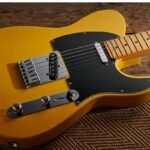
Fender Limited Edition Player II Telecaster
Specs (one-line): Solid ash or alder body (check SKU), maple neck, 22 frets, traditional single-coil bridge and neck pickups or upgraded Tele pickup sets depending on the exact model, fixed bridge.

Tone and playability: The Limited Player II Tele delivers the classic Tele twang — tight attack, cutting midrange, and excellent string definition. In clean settings (tube or solid-state) the bridge single coil snaps with clear harmonic content, making it ideal for country and indie rhythm work; through an overdriven amp it retains note clarity and cuts through a dense mix, which many rock players appreciate. The maple neck provides a snappy attack and typically a comfortable modern C profile that suits both rhythm comping and moderate lead runs.
Who it’s for: Session players and rhythm-focused guitarists who need articulation and presence in a band mix, plus anyone who prefers a straightforward, low-maintenance hardtail design with classic Tele character.
- Pros: signature Tele bite and clarity, simple reliable hardware, great for cutting through mixes.
- Cons: single-coil bridge can be noisy under high gain; players seeking heavier humbucker tones may want H/S or humbucker-equipped variants.
🎸 Fender Limited Edition Player II Telecaster
The Fender Limited Edition Player II Telecaster delivers timeless Tele twang with modern comfort and reliability — all for under $1000. With its crisp tone, smooth maple neck, and classic design, it’s built for players who want vintage character with everyday playability.
Buy on AmazonWhat to check on arrival: test both pickup positions and the middle (if present) for balanced output, listen for any hum or grounding noise through your amp, check fret ends and fret leveling across the board, confirm neck relief and action at the 12th fret, and inspect bridge saddles for stable intonation. Finally, confirm the listed price and seller fulfillment to ensure warranty coverage and avoid grey-market units.
Jackson Pro Plus Dinky
Specs (one-line): Compact Super-Strat body, thin/speed neck (modern C/slim profile—check SKU), 24 frets, available H/H or H/S/S pickup layouts (high-output humbuckers on many SKUs), and either a double-locking or a low-profile tremolo/locking bridge depending on the version.

Tone and playability: The Plus Dinky is designed for modern rock and metal — tight low end, focused mids, and aggressive pick attack from its higher-output pickups. The thin neck and typically flatter radius favor fast fretting and wide bends, making it easy to run fast scale runs and articulate complex lead lines. Palm-muted chugs are tight and responsive, and the pickup voicings (H/H or H/S/S) let you dial from chunky rhythm to searing leads without losing clarity.
Who it’s for: Lead players and shredders who prioritize speed and attack, plus rhythm players who want a taut low end for modern metal. It’s a strong choice for players on a budget looking for performance-oriented neck and fretwork without immediately swapping pickups or hardware.
- Pros: fast neck profile and player-focused fretboard (often 24 frets), strong high-gain performance, good value for the hardware and specs.
- Cons: some SKUs ship with stock pickups players eventually swap for boutique models; trem setups may need initial tweaking to suit string gauge changes.
⚡ Jackson Pro Plus Dinky
The Jackson Pro Plus Dinky is a shred-ready guitar built for speed, precision, and tone — and it stays under the $1000 mark. With its sleek neck profile, high-output pickups, and ultra-stable bridge, it’s made for players who want metal power and modern performance.
Buy on AmazonSetup & arrival checks: confirm the pickup configuration and whether pickups are passive or active, test trem and locking nut (if included) for tuning stability, inspect fret ends and fret leveling for sharp spots, verify intonation and action at the 12th fret, and try common string gauges (9–46 for faster feel or 10–46 for slightly fuller tone). Recommended quick mod: adjust pickup height to balance output between bridge and neck positions before judging tone.
Jackson X Series Soloist SLX
Specs (one-line): Carved Super-Strat body, compound‑radius fingerboard (check SKU for exact radius), 24 frets, available neck‑through or bolt‑on construction depending on the variant, and common pickup layouts include H/H or H/S/H with either passive high‑output humbuckers or performance‑oriented single coils; some SKUs offer locking trem or fixed bridges.

Tone and playability: The Soloist SLX is built for speed and precision. The compound‑radius fingerboard flattens toward the upper frets, letting you bend and shred without choking while remaining comfortable for chords lower down the neck. When fitted with high‑output humbuckers it delivers tight, focused rhythm tones and singing, harmonically rich leads; neck‑through variants add extra sustain and resonance, while bolt‑on builds keep attack snappier. Overall, expect accurate fretwork, responsive string feel, and a neck profile that favors technical players.
Who it’s for: Technical lead players, modern metal and hard‑rock guitarists, and anyone who wants a fretboard engineered for speed and upper‑fret access. If you play sweep picking, fast legato runs, or extended soloing, the SLX’s setup and frets make it a strong value in this price band.
- Pros: player-friendly neck and fretboard radius, strong sustain on neck‑through variants, performance hardware options (locking trem available on some SKUs).
- Cons: some stock pickup sets may be serviceable but not boutique — a common upgrade is a pickup swap for very specific tonal tastes; trem setups may require careful intonation work after string changes.
⚡ Jackson X Series Soloist SLX
The Jackson X Series Soloist SLX delivers aggressive tone, fast playability, and bold looks — all under $1000. Its compound-radius neck and dual humbuckers make it ideal for heavy riffs, solos, and high-energy performances.
Buy on AmazonSetup & arrival checklist: confirm whether the model is neck‑through or bolt‑on (affects sustain and setup), check fret ends and fret leveling across all 24 frets for smooth edges and dead spots, test locking trem and tuner stability under heavy use, verify intonation at multiple positions, and try your preferred string gauge to confirm action and feel. If pickups sound thin or unbalanced, adjust pickup height first before considering replacements.
EVH Wolfgang Special
Specs (one-line): Typically bolt‑on or set neck depending on the SKU, mahogany or basswood body options, maple neck, 22 frets, EVH‑style high‑output humbuckers, and a two‑point or Floyd‑style tremolo on some variants.

Tone and playability: The Wolfgang Special is voiced for mid‑forward sustain and a harmonically rich lead tone that responds well to dynamic picking. Its high‑output humbuckers push amps into smooth saturation while retaining note definition, making the guitar an excellent choice for rock lead work and punchy rhythm parts. Compared to a Les Paul, the Wolfgang usually feels a bit lighter with a quicker attack and more midrange presence — great for players who want sustain without the heavier feel of some mahogany/Les Paul builds.
Who it’s for: Rock lead players, tone‑minded rhythmists, and anyone chasing the EVH tonal character — tight mids, singing sustain, and responsive harmonics. It’s suited for studio tracking where note clarity under gain matters, and live players who need a guitar that cuts through a band mix.
- Pros: strong lead presence and sustain, pickups that handle gain gracefully, responsive to picking dynamics and harmonics.
- Cons: tremolo variants may need careful setup to maintain intonation; players seeking darker, thicker Les Paul‑style tone might prefer a full‑blown Les Paul instead.
🔥 EVH Wolfgang Special
The EVH Wolfgang Special packs pro-level performance into a sub-$1000 powerhouse. Designed for speed, sustain, and tone, it features dual EVH humbuckers, a smooth maple neck, and the signature feel of Eddie Van Halen’s legendary sound.
Buy on AmazonTone tests & arrival checks: plug into a clean tube amp and set moderate gain to evaluate note definition, then crank gain to judge how the pickups manage saturation and harmonics. On arrival, verify neck straightness and fret leveling across all frets, test the tremolo for smooth action and stable tuning, check pickup height for balanced output between positions, and confirm the seller’s price and fulfillment status to ensure warranty coverage.
Charvel Pro-Mod So-Cal
Specs (one-line): Lightweight alder or basswood body (check SKU), slim “C” or modern “D” neck options, 24 frets, common pickup layouts S/S/H or H/H, and a choice of hardtail or two-point tremolo bridges depending on the variant.

Tone and playability: The Pro‑Mod So‑Cal is a playability-first instrument: a slim neck and comfortable body contours make long sessions easy, while versatile pickup options cover cleans, crunchy rhythm, and searing leads. S/S/H versions give bright single‑coil chime and a hotter humbucker option for bridge‑side bite; H/H presets push high‑gain amps with tight mids and full low end. Charvel’s fretwork and thinner neck profiles favor speed and technical playing without sacrificing chord comfort.
Who it’s for: Contemporary players who switch styles onstage — session guitarists who need single‑coil sparkle and humbucker power in one body, and lead players who want a fast neck and wide tonal range. It’s a solid choice if you want a versatile, stage‑ready electric within the best guitar under 1000 price band.
- Pros: excellent playability from slim necks and polished frets, flexible pickup configurations for multiple genres, generally stage‑ready hardware.
- Cons: some players swap stock pickups for boutique alternatives if they want highly specific tone; check for finish and setup variance across sellers.
🎸 Charvel Pro-Mod So-Cal
The Charvel Pro-Mod So-Cal is a hot-rodded classic built for players who crave speed, precision, and power — all for under $1000. With Seymour Duncan pickups, a super-fast neck, and versatile tone controls, it’s made to dominate the stage or studio.
Buy on AmazonCompare with: If you want a more sustain‑oriented or mid‑heavy voice, compare the So‑Cal to the EVH Wolfgang Special or a Jackson Soloist SLX to see how neck construction and pickup voicings change feel and sound.
Wrap-up: why these electrics work in this price range
- These models represent top guitars within 1000 that blend upgraded components (better tuners, bridges, and pickups) with real-world playability.
- If you need affordable guitars that perform reliably at gigs, these models reduce the need for immediate upgrades and help preserve resale value.
- For buyers focused on tone, neck feel, and reliable hardware, the Fender, Jackson, EVH, and Charvel models here are among the best value guitars in the price band.
Quick buyer note: always confirm the seller’s fulfillment status and price before purchasing to avoid grey‑market units; check the listing details for exact pickup models, neck profile, and warranty coverage.
Editor’s Choice • Best Overall Guitar Under $1000
🏆 Our Best Pick: Jackson X Series Soloist SLX
The Jackson X Series Soloist SLX takes the crown as our top choice among the best guitars under $1000. With its sleek neck, dual humbuckers, and pro-level build quality, this guitar delivers blazing speed and precision for modern players. Perfect for metal, hard rock, or technical styles — it’s the ultimate mix of performance, comfort, and value.
Buy on AmazonConclusion
Finding the best guitar under 1000 in 2025 comes down to balancing pickups, neck feel, and build quality against price. For electric guitar players those factors matter more than acoustic tonewoods: prioritize pickup configuration (S/S/S, H/H, H/S/H), stable bridges or trem systems, clean fretwork, and a neck profile that suits your technique. These elements determine how the guitar sounds through your amp and how it feels after long practice or gigging sessions.
Quick electric‑buyer checklist: confirm neck profile and fret condition, test all pickup positions for balanced output and noise, evaluate bridge/trem stability and tuner quality, and verify finish and fret ends for clean workmanship. Also check the listed guitar price and seller fulfillment to ensure you’re getting an authorized unit with warranty coverage.
Models covered here — Fender Limited II Stratocaster, Fender Limited II Telecaster, Jackson Plus Dinky, Jackson Soloist SLX, EVH Wolfgang Special, and Charvel Pro‑Mod So‑Cal — represent practical choices within the guitars price where better components and pickups deliver real-world stage and studio performance without immediate upgrades.
Compare current guitar price and availability on the linked Amazon pages and at authorized dealers before you buy. If you’re still deciding, test the guitars in person when possible and factor in a professional setup to unlock the instrument’s potential; a one‑time setup often improves playability and tuning stability far more than many aftermarket upgrades.
FAQ
What makes a guitar under $1,000 worth buying?
Today’s sub-$1,000 guitars offer impressive quality for their price. Thanks to modern production and quality control, you can expect solid tonewoods, reliable hardware, smooth fretwork, and pickups that deliver great tone. Instruments like the Fender Player II Stratocaster or Jackson Soloist can easily hold their own against higher-end guitars in both studio and live settings.
Which guitar is best for beginners to intermediate players?
For beginners, the Fender Player II Stratocaster is an excellent option due to its comfortable neck and versatile tone. Intermediate players looking for more speed and power might prefer the Jackson X Series Soloist SLX or the Charvel Pro-Mod So-Cal, which provide faster necks, hotter pickups, and solid playability across genres.
Do guitars under $1,000 sound as good as premium models?
While top-tier guitars use more exotic woods or boutique electronics, today’s midrange instruments perform incredibly well. Brands like Fender, Jackson, and EVH bring their premium craftsmanship into affordable lines. With a proper setup and quality amp, these guitars can sound just as professional as many instruments double their price.
Are these guitars reliable for live gigs and recording?
Absolutely. Most modern guitars under $1,000 are gig-ready. They come with sturdy bridges, accurate intonation, and stable tuning systems. Models like the EVH Wolfgang Special and Jackson Soloist are favorites among working musicians who need consistent tone and dependability on stage.
What features should I look for when choosing?
Pay attention to the neck profile, fret size, pickups, and comfort. A smooth neck with medium-jumbo frets suits most players, while pickups define your tone. Single coils provide bright, crisp sounds, whereas humbuckers give thicker, warmer tones. Always test guitars through your usual amp to find the best match for your playing style.
How important is a professional setup for new guitars?
Very important. Even new guitars benefit from a proper setup by a technician. Adjusting the truss rod, setting string action, polishing frets, and correcting intonation make a world of difference. A good setup enhances playability, sustain, and tuning stability — making your guitar perform at its best.
What’s the difference between the Stratocaster and Telecaster in this price range?
The Stratocaster offers smoother contours, three single-coil pickups, and a tremolo bridge — ideal for expressive bends and diverse tones. The Telecaster, on the other hand, has a sharper attack, stronger midrange, and simpler controls, perfect for country, blues, and rock players who love bright, cutting tones.
Which model offers the best all-around value?
Our top recommendation is the Jackson X Series Soloist SLX. It perfectly blends build quality, tone versatility, and comfort. Whether you’re rehearsing, recording, or performing live, it delivers the performance of a premium guitar while staying under the $1,000 mark.