
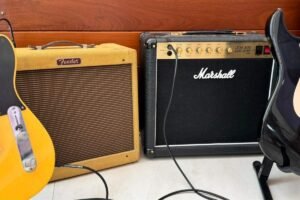

Choosing the right practice amplifier is one of the simplest decisions that can make—or break—a beginner’s progress. Fender amp vs Marshall: what the right amp for You? The right amp helps you hear detail, stay inspired, and practice at home without upsetting neighbors.
For decades, Fender and Marshall amps have set the standard for guitar amplification. Their divergent design philosophies define contrasting approaches to tone and sound—from pristine clean headroom to saturated rock grit—so understanding those differences is essential when shopping for practice amps.
This article compares Fender vs Marshall amps in practical, home-focused terms and highlights representative practice options from each brand so you can pick an amplifier that matches your musical goals. For hands-on model comparisons and setup tips, click expand to the “Ease of Use and Setup for Home Sessions” section below.
Introduction to the Ultimate Tone Showdown
Finding the right practice amplifier starts with two simple questions: where you play and what you want to sound like. This guide focuses on small practice amps built for home use—units that let you control volume, use headphones, and still get inspiring tone while you learn.
Overview of the Session Focus
Rather than spotlighting every model on the market, we look at representative practice amplifiers from Fender-style and Marshall-style lineages: digital/modeling amp designs that prioritize presets and headroom, and more traditional, hands-on units that emphasize raw voicing and midrange presence. Those archetypes cover the main trade-offs you’ll encounter when shopping for a bedroom-friendly guitar setup.
Key home-use features we examine include headphone outputs for silent practice, low-watt circuits or master-volume options for manageable loudness, and onboard effects that reduce the need for extra pedals—practical benefits that make daily practice easier without sacrificing great sound.
Who Should Consider These Amps for Home Use?
This comparison is written for three groups: absolute beginners buying their first practice amp, intermediate players building a dedicated home practice rig, and budget-conscious musicians who want recognizable brand fender clean or rock-voiced sounds without a huge investment.
Understanding the differences between the two approaches helps you pick the right tool: go with a modeling unit if you value instant presets and versatility, or choose a traditional-voiced practice amp if you want hands-on learning and a classic tonal character. For direct, hands-on model comparisons and setup tips, click expand to jump to the “Ease of Use and Setup for Home Sessions” section.
Historical Background of Fender amps and Marshall
The story of modern guitar amplification is largely a post‑war development that produced two very different approaches: American designs that prized clean headroom and British designs that pushed gain and grit. Those contrasting philosophies set the tonal map for decades of electric guitar music.
Foundational Stories and Origins
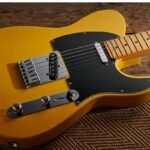
Leo Fender founded his company in Fullerton, California in 1946, and Fender quickly became associated with clean, articulate amplification as well as landmark instruments like the Telecaster. Early Fender amplifier work—especially the circuits behind the Fender Bassman—helped define the transparent, punchy sound many players call the archetypal American clean.
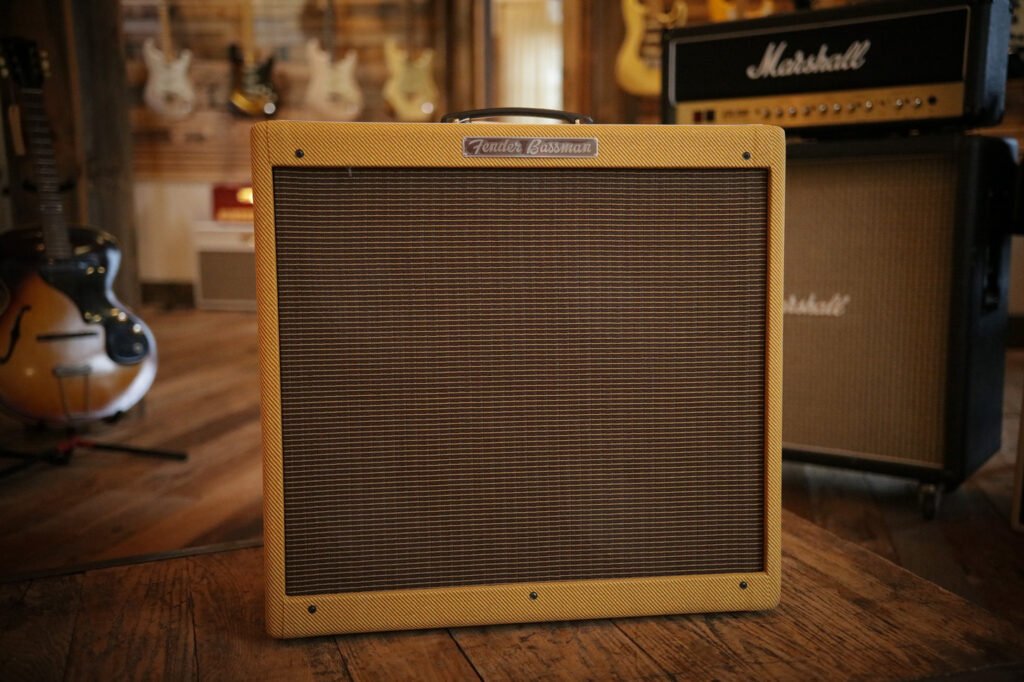
Across the Atlantic, Jim Marshall—who opened his drum shop in London in the early 1960s—responded to British players asking for louder, grittier tones. The first Marshalls (for example, the JTM45) adapted ideas from the Fender Bassman circuit but altered component values and topology to produce thicker mids and earlier breakup. That British voicing became central to what we recognize as classic rock tone.
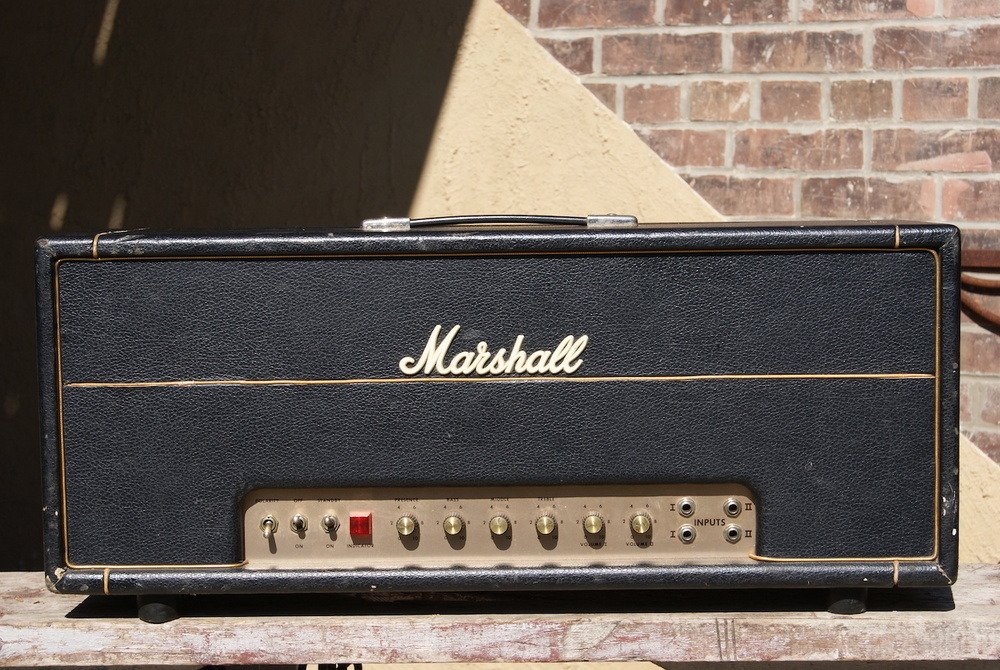
As bands like The Who and Led Zeppelin popularized big, distorted guitar sounds, Marshall cabinets and stacks became synonymous with stage-dominant, mid‑forward tone—an aesthetic that contrasts with Fender’s emphasis on clarity and headroom. These divergent paths—from tweed and Blackface Fender amps designs to Marshall’s early high‑gain iterations—created two enduring tonal camps.
Over the years, both companies iterated on those signatures. Fender’s “classic Fender” tones remain prized for clean applications and as platforms for pedals, while Marshall’s lineage (including the later JCM 800 series) cemented the company’s reputation for rock‑oriented gain structures. That historical context still informs modern practice and small-format amps: you’ll find units today that deliberately echo either the Fender clean tradition or the Marshall-style crunch.

Marshall MG15GFX
Compact, powerful, and full of Marshall tone — perfect for practice or small gigs with built-in effects and that iconic rock crunch.
Buy on Amazon
Fender Mustang LT25
The Fender Mustang LT25 delivers classic Fender tone with modern digital versatility — ideal for beginners and home players.
Buy on AmazonEvolution of Amp Design: From Tweed to Modern Innovations
Many of the audible differences between Fender-style and Marshall-style amplifiers trace back to early circuit decisions—where components sit in the signal path, how many gain stages are used, and how tone controls interact with the preamp. Those engineering choices still shape modern amps and explain why one design tends toward clean headroom while the other reaches breakup sooner.
Understanding these basics helps you match an amp to your musical goals: whether you want a transparent platform for pedals or a circuit that naturally compresses and distorts.
Fender’s Journey to a Signature Clean Tone

Early Fender amps designs (the tweed-era circuits such as the 5F6A Bassman) emphasized fewer preamp gain stages before tone shaping, and later Blackface-era layouts moved tone controls to positions that reduced overall gain. In plain terms: with less preamp gain and tone controls placed early or between stages, Fender-voiced units preserve headroom and deliver the crisp, articulate character commonly called the fender clean.
That layout responds well to single-coil guitars and lets dynamics and picking nuance come through—qualities players prize for blues, country, jazz, and clean pop styles.
Marshall’s Path to Hi-Gain and Rock Distortion
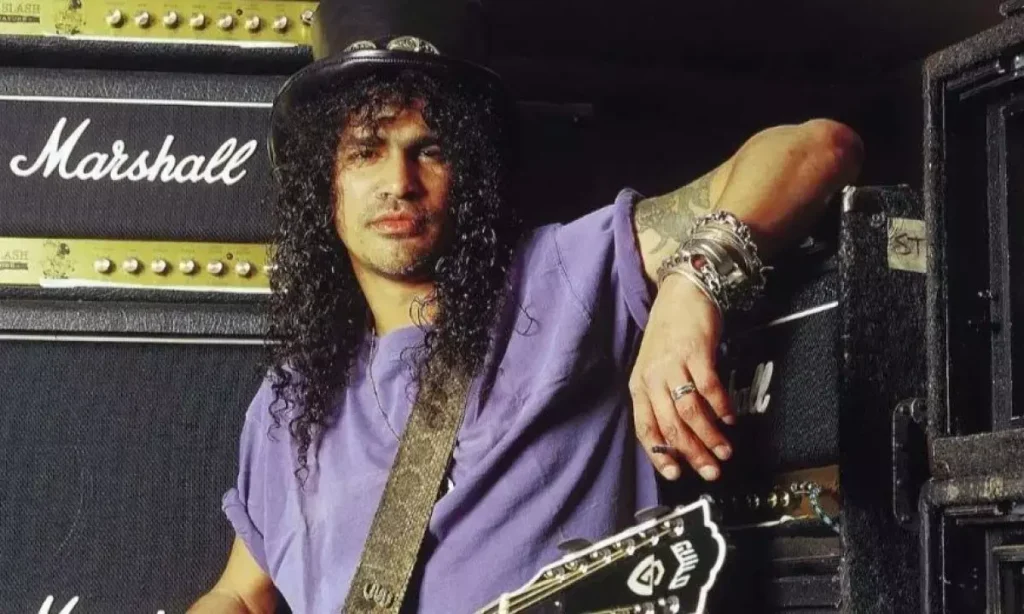
Marshall-inspired topologies retained and sometimes emphasized multiple preamp stages before tone controls, which means more gain is available early in the signal chain. More gain stages and different component values push the circuit toward natural breakup, creating thicker midrange and earlier saturation.
Later innovations—like introducing master-volume controls on late‑’60s and ’70s models—let players dial in preamp distortion at lower overall loudness, effectively giving the power of cranked-amp tone without needing stadium volumes. Those advances helped define the Marshall sound and influenced many amps aimed at rock players.
Tube-based designs still rely on preamp tubes and power tubes to shape harmonic behavior, but solid-state and modeling circuits now emulate those interactions convincingly for home use. When choosing, decide whether you want natural tube breakup and touch sensitivity or the convenience and reliability of modern alternatives.
Fender amp vs Marshall: Key Sound Characteristics
At a high level, Fender-style and Marshall-style amplifiers were engineered with different musical goals in mind. Those design choices shape the core tone and make each approach better suited to certain genres, guitars, and playing styles.
Tone, Gain, and Distortion Profiles
The Fender amps lineage is associated with a clear, articulate clean tone—bright highs, open mids, and a responsiveness that preserves picking dynamics. That clarity makes Fender-voiced rigs ideal for styles that depend on note definition (blues, country, jazz, and clean pop). Single-coil pickups often pair well with this profile because they accentuate the high-end detail.
By contrast, the Marshall tradition emphasizes earlier breakup, a forward midrange, and more aggressive gain character. Marshall-style circuits and voicings produce saturated tones that cut through a mix—perfect for classic rock and lead work. Humbucker-equipped guitars typically push these circuits into thicker, harmonically rich territory.
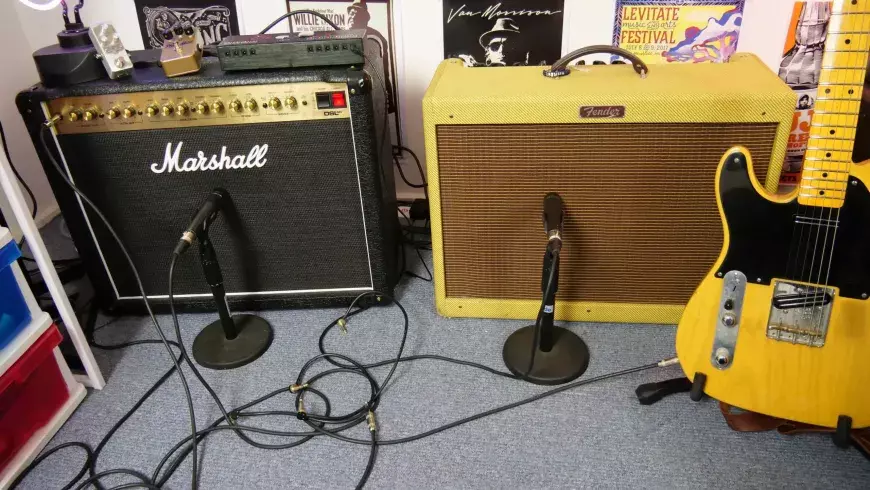
In practice, this means Fender-voiced units excel at pristine clean sounds and respond well to pedals, while Marshall-voiced units are optimized for dirt and saturated lead tones. Neither approach is strictly better—one is less optimized for heavy dirt, the other less optimized for ultra-clean headroom—so choose depending on the types of music you play.
Marshall MG15GFX
Compact, powerful, and full of Marshall tone — perfect for practice or small gigs with built-in effects and that iconic rock crunch.
Buy on Amazon
Fender Mustang LT25
The Fender Mustang LT25 delivers classic Fender tone with modern digital versatility — ideal for beginners and home players.
Buy on AmazonTube vs. Solid State Performance
Tone differences are also influenced by whether an amp is tube-based or solid-state. Tube designs (with their preamp and power tube interactions) provide a warm, dynamic breakup that many players describe as touch-sensitive and harmonically pleasing. That feel remains the gold standard for players chasing organic saturation.
Modern solid-state and modeling circuit designs, however, deliver very convincing sounds at lower cost and with more reliability—advantages that suit home practice. For beginners, a solid-state practice amp will often produce satisfying clean and overdriven tones without the maintenance and expense of tubes, while tube amps shine when you want the nuanced response and harmonic complexity tubes provide.
Quick practical tips: for clean-focused genres, start with low gain, scooped mids, and boosted treble; for Marshall-style crunch, raise gain moderately, boost mids, and tighten the bass. Experiment with pickup selection (neck for warm cleans, bridge for more bite) to hear how guitar and amp interact.
Detailed Comparison: Analog-Style vs Digital-Modeling Practice Amps
How an amplifier presents controls and features has a huge effect on how quickly a beginner can dial in inspiring tone. Broadly, small practice amps fall into two archetypes: analog-style, hands-on units that mimic classic voicings, and digital-modeling units that prioritize presets and flexibility.
Feature Set and Controls Analysis
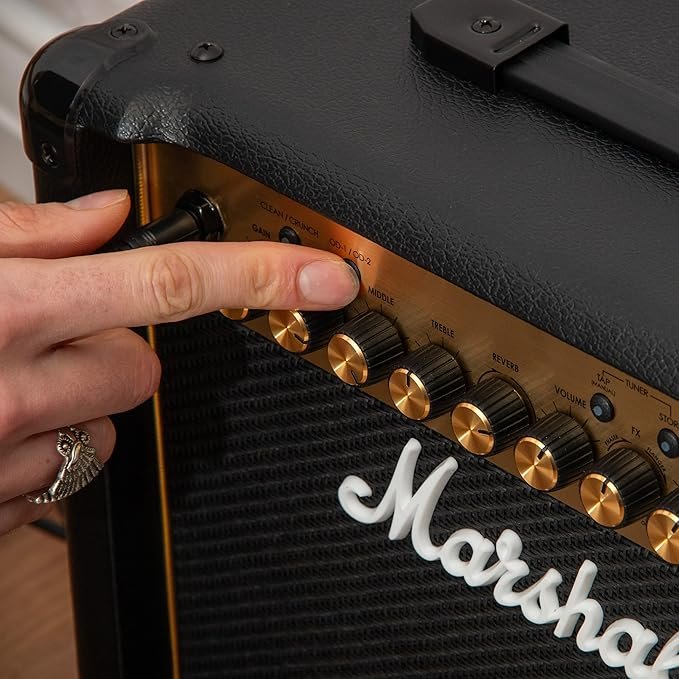
Analog-style practice amps use traditional physical controls—dedicated knobs for gain, master volume, and a simple three-band EQ. That layout gives immediate tactile feedback: turn a knob and you hear the change. These units often include channel switching (clean/overdrive) and basic built-in effects like reverb or chorus, keeping the signal path straightforward and easy to understand.
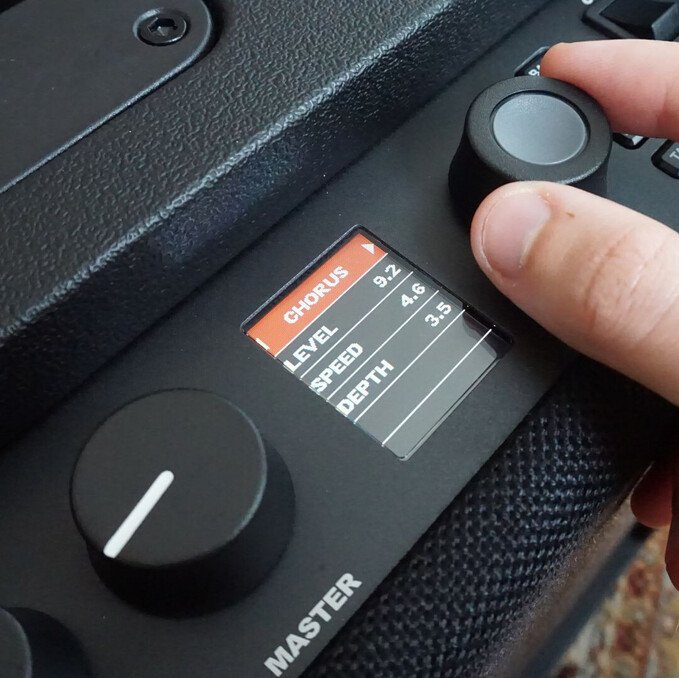
Digital-modeling practice amps combine a few physical controls with a library of presets and deeper editing via menus or smartphone apps. Modeling platforms emulate multiple amp types, speaker simulations, and effects chains, so one unit can mimic both Fender-like cleans and Marshall-style crunch without external pedals. Bluetooth streaming and preset management are common features that add convenience for practice sessions.
Performance for Beginners and Home Practicing
For absolute beginners, modeling amps offer instant variety: pick a preset, adjust the volume, and you can play through convincing Fender-clean or Marshall-voiced sounds immediately. That “sound good” factor helps sustain practice habits.
Analog-style units teach core amp concepts more directly. Because controls are simple and labeled, players learn how gain, tone controls, and gain stages interact—knowledge that transfers to larger tube rigs later on. These amps usually respond predictably to pickup changes (single coils vs humbuckers) and pedal placement, which is valuable for building tone-shaping skills.
Both approaches work well at bedroom volumes when they include headphone outputs or master-volume/muted practice modes. If you’re unsure which suits you, try both: run the modeling amp through headphones to sample many sound profiles, then test an analog-style unit to feel the hands-on control. That quick A/B will reveal whether you prefer immediate preset versatility or the learning-rich, tactile experience of a traditional control layout.
Ease of Use and Setup for Home Sessions
Unboxing your first amplifier should lead straight to playing, not frustration. A clean, predictable setup gets you practicing faster and keeps motivation high—especially when you’re using the amp at home where volume control matters.
Simplicity for First-Time Users
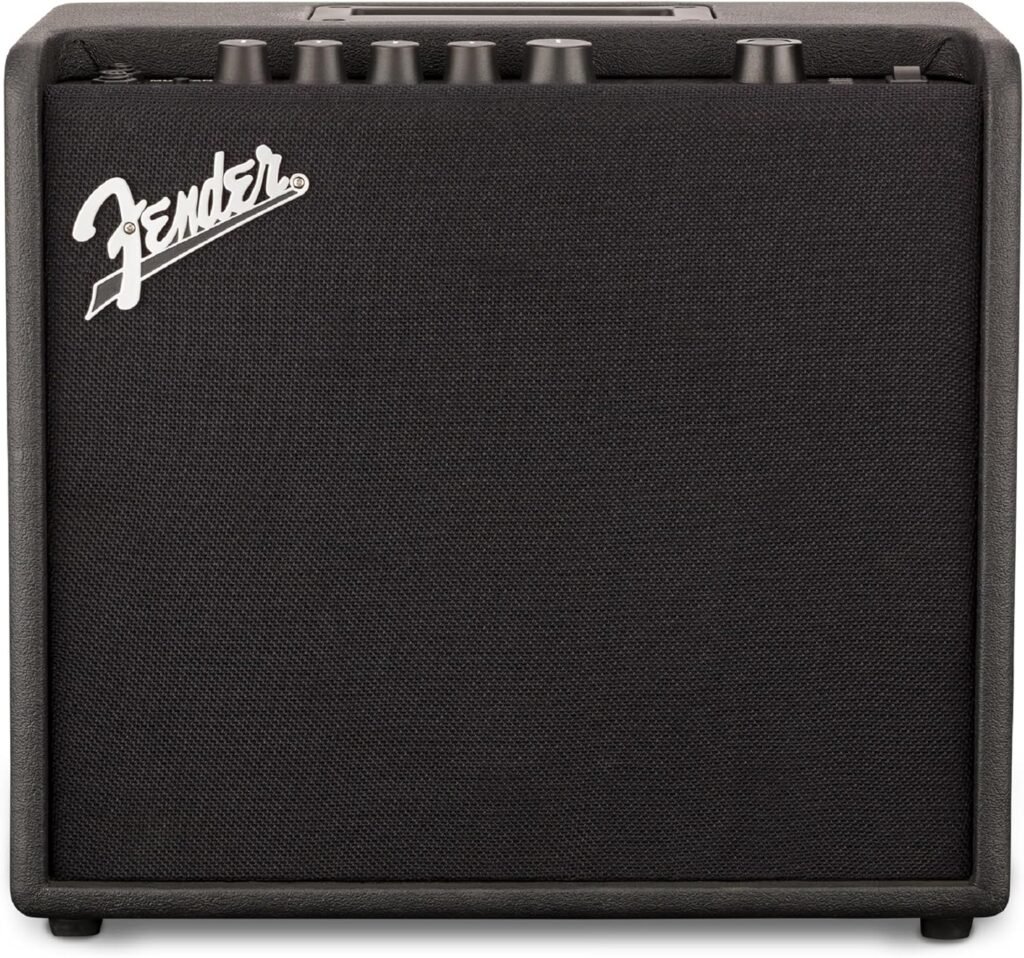
The Fender Mustang LT25 excels at plug-and-play operation: plug in your guitar, pick a preset that matches the style you want, set a moderate volume, and you should be ready to play. Presets and app-based editing make it easy to get a variety of tones without deep technical knowledge—great for players who want to “sound good” immediately.
The Marshall MG15GFX takes a more traditional route with straightforward physical controls: gain, volume, and a three-band EQ. That layout helps new players learn how knobs affect tone and gain staging, which is valuable if you plan to move to larger analog or tube amps later.
Both units include headphone outputs for silent practice and auxiliary inputs for playing along with backing tracks. The LT25’s higher wattage and modeling platform generally preserve more tonal detail at low volumes, while the MG15GFX delivers classic Marshall voicing in a compact package that’s easy to understand.
Quick Home-Setup Checklist
– Unbox and place the amp on a stable surface at ear level.
– Connect guitar cable to the input and headphones (or speakers) to the headphone jack.
– Start with all tone and gain controls at 12 o’clock, master volume low, then slowly raise to a comfortable level.
– Choose a clean preset (or clean channel) first, then try a mild overdrive to hear the amp’s character.
– If using the LT25, connect the Fender app for preset browsing and save any favorites.
Recommended Starter Settings
– Clean practice: Gain 2–3, Bass 4–5, Mid 5, Treble 6–7, Volume low enough for comfortable home levels.
– Light crunch: Gain 4–5, Mids 6–7, Treble 5, Master volume adjusted to taste.
– Use the neck pickup for warm cleans and the bridge pickup for brighter or more aggressive tones.
Marshall MG15GFX
Compact, powerful, and full of Marshall tone — perfect for practice or small gigs with built-in effects and that iconic rock crunch.
Buy on Amazon
Fender Mustang LT25
The Fender Mustang LT25 delivers classic Fender tone with modern digital versatility — ideal for beginners and home players.
Buy on AmazonQuick Troubleshooting
– No sound: check cable and input, confirm guitar volume is up, and verify the amp’s standby/power indicators.
– Headphone only: ensure the headphone jack engages and the master volume is not muted.
– Preset sounds odd: try resetting to a factory preset or load a different genre preset; on modeling units, small EQ tweaks often fix balance issues.
When choosing between these two approaches, think about your learning style: Fender’s preset-rich platform shortens the path to great tones, while the Marshall’s tactile controls teach amp fundamentals. If possible, test both—plug in headphones and compare the LT25’s presets against the MG15GFX’s hands-on voicing to decide which inspires more practice.
For more setup tips and a step-by-step beginner’s guide, click expand to the “Detailed Comparison” and “Tone Versatility” sections.
Insights on Build Quality and Reliability
The physical build of an amplifier affects how it sounds over time and how long it will last in regular home use. Picking a practice amp with sensible materials and straightforward serviceability protects your investment and keeps your tone consistent.
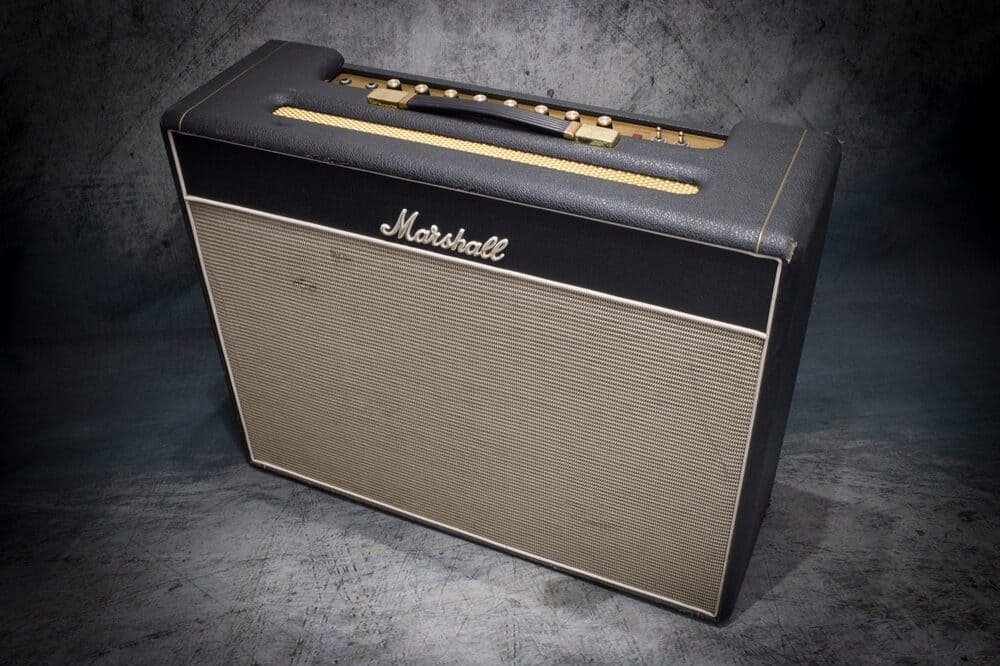
Material Durability and Design Integrity
Entry-level practice amps commonly use a mix of materials: many employ plywood or MDF cabinets with wood veneers rather than solid hardwood. Those constructions offer good acoustic behavior and durability while keeping costs down. Higher-end small amps may use more robust woods or better bracing, but for most home players, a well-built plywood cabinet performs reliably.
Speaker choices and enclosure design influence the final voice. Historically, Fender-voiced units trend toward balanced clarity across the frequency range, while Marshall-voiced designs favor midrange presence and punch—an important factor when evaluating how an amp will sit in a band mix or backing track.
Electronic design matters too. Solid-state amps are generally more rugged for daily home practice because they don’t rely on replaceable power tubes or other tubes that age and need swapping. That makes them low-maintenance and predictable for beginners.
Serviceability and Longevity
Control layouts with standard potentiometers and modular PCBs are easier and cheaper to repair if something fails. Digital-modeling units provide advanced features but can be more complex to service, sometimes requiring factory firmware updates or board-level work.
Both major manufacturers support their products with warranties and a global parts network, so replacement speakers, knobs, and circuit boards are typically available for several years. If long-term serviceability is important, look for amps from established series that have good documentation and community support.
Practical Care Tips
– Keep the amp dry and avoid extreme temperatures; humidity and heat accelerate glue and component failures.
– Dust ports and controls occasionally; a quick compressed-air burst keeps potentiometers smoother.
– Avoid constant max volume—running speakers and electronics moderately extends their life.
– For tube-equipped practice rigs, budget for tube replacement down the line; for solid-state units, prioritize surge protection and proper power connections.
In short, choose a practice amp with honest materials (plywood/MDF cabinets are fine), a clear warranty and parts availability, and a design you can service or that local techs can work on. That approach minimizes surprises and keeps you focused on playing rather than repairs.
Price, Value and Investment in Your Sound
Budget matters when choosing a first practice amp. Small-format offerings from Fender-style and Marshall-style lines deliver recognizable brand sound without the high cost of professional tube rigs, so you can get a playable, inspiring setup on a modest budget.
Rather than lock in a single number (street prices change frequently), look for a typical entry-level price band and verify current listings before buying. At the time of research, many beginner practice amps from these brands fall into an accessible range—making them easy to justify as your first gear purchase.
Marshall MG15GFX
Compact, powerful, and full of Marshall tone — perfect for practice or small gigs with built-in effects and that iconic rock crunch.
Buy on Amazon
Fender Mustang LT25
The Fender Mustang LT25 delivers classic Fender tone with modern digital versatility — ideal for beginners and home players.
Buy on AmazonCost Comparison and Long-Term Value
Consider the bigger picture: pro tube amps and full stacks cost thousands, but practice versions replicate core voicings and include built-in effects, saving you from buying extra pedals. That combination produces a complete practice solution for far less money.
Solid-state and modeling designs have lower ongoing expenses than tube rigs because there are no routine power tube replacements or biasing services to budget for. That reliability makes them economical over years of home use.
Resale value also matters. Reputable Fender and Marshall models tend to hold value well on the used market, so if you upgrade later you’ll recover a useful portion of your original investment.
Budget Checklist: What to Prioritize
– Headphone output for silent practice
– Manageable wattage or master-volume control for bedroom use
– Built-in effects (reverb, delay, modulation) to reduce pedal spend
– Solid warranty and parts availability from the manufacturer
– Simple, intuitive controls if you’re learning tone-shaping
If you plan to record or gig in the near future, consider spending a little more on a higher-quality speaker or a tube-powered practice amp; otherwise, a well-featured solid-state or modeling unit will give you the best cost-per-practice-hour and let you “sound good” while you learn.
Tone Versatility and Customization Options
Your musical tastes will evolve as you practice, so choosing an amplifier that gives you flexibility pays off. This section looks at how different practice amps handle clean versus distorted tones, and how deep their customization tools go.
We’ll compare general approaches—modeling/preset platforms versus traditional hands-on designs—so you can decide which fits your goals.
Exploring Clean Versus Distorted Options
On the clean side, Fender-voiced designs (rooted in tweed and Blackface eras) typically deliver a glassy, articulate clean tone with wide headroom and clear note definition. That clean sound is useful for jazz, country, blues, and pop styles where clarity matters.
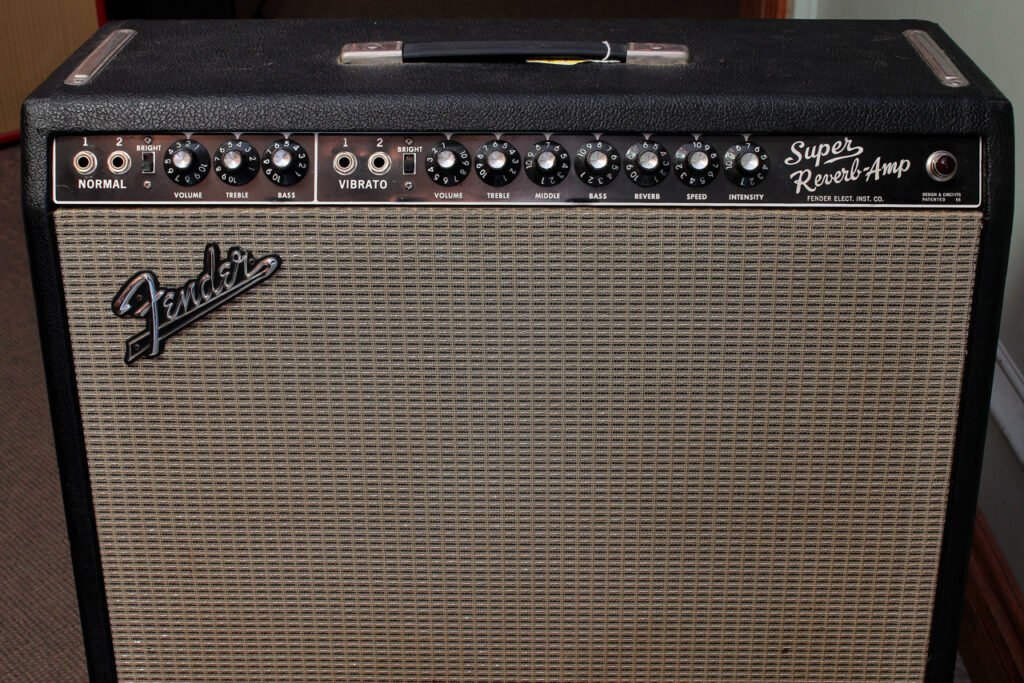
By contrast, Marshall-voiced designs tend to transition into overdrive earlier, offering a mid‑forward punch and saturated character that’s ideal for classic rock and lead playing. In short: modeling platforms can emulate both paths, while many hands-on, traditional amps are optimized toward one voice or the other.
The clean–dirty shift is an important consideration: some amps handle both ends of the spectrum well, but many practice units will favor either pristine clean headroom or natural, amp-driven distortion—so match the amp to the music you play most.
Adjustability and Built-in Effects
Modeling and preset-focused amps give broad exploration through built-in emulations, speaker simulations, and extensive effects chains. Typical preset labels include clean, blues, crunch, and lead—use those as starting points and tweak EQ or gain to taste. These platforms often let you save favorites and recall them instantly, which is great for experimenting across types of music.
Hands-on amplifiers use physical knobs and simple switches. That immediate control encourages learning: turning the gain, adjusting midrange, or shifting tone control has predictable results and teaches how an preamp and EQ interact with pickups and pedals. While those amps may include a handful of built-in effects (reverb, chorus), they usually rely on external pedals for broader soundscapes.
Quick starter settings:
– Clean: Gain 1–3, Bass 4–5, Mid 5, Treble 6 → use neck pickup for warmer tone.
– Light crunch: Gain 4–5, Mids 6–7, Treble 5 → bridge pickup or middle position for more bite.
– Lead: Gain 6–8, Mids 6–7, Treble 6, add light reverb/delay for depth.
Whether you pick a modeling unit for rapid sonic variety or a hands-on amp to learn tone-shaping, both routes can help you “sound good” while you practice. If you want true Fender amps clean character, look for features that preserve headroom and treble clarity; for Marshall-style crunch, prioritize midrange presence and earlier preamp breakup.
Marshall MG15GFX
Compact, powerful, and full of Marshall tone — the MG15GFX is perfect for practice or small gigs, featuring built-in effects and that legendary rock crunch.
Buy on Amazon
Fender Mustang LT25
The Fender Mustang LT25 delivers classic Fender tone with modern digital versatility — ideal for beginners and home players looking for quality and flexibility.
Buy on AmazonConclusion
Your choice between Fender‑voiced and Marshall‑voiced approaches ultimately reflects the kind of guitarist you want to become. Both paths are valid; they just reward different musical priorities.
In short: Fender amps designs emphasize pristine, clear headroom and the classic fender clean character—excellent for genres that need note definition—while Marshall-style rigs favor midrange bite and earlier preamp distortion, a signature suited to rock and lead work rooted in the rock roll tradition (think the lineage that includes the JCM 800).
If you’re undecided, try both archetypes with your own guitar—use headphones or in-store demos to compare how each amp responds to your pickups and playing dynamics. Many players eventually own multiple amps for different purposes, so view your first purchase as a starting point, not a lifetime commitment.
Armed with this context about tone, gain behavior, and practical home‑use trade-offs, you can confidently pick the amplifier that will help you practice, develop, and enjoy playing for years to come.





[…] has recently introduced the Gainlord, a two-channel preamplifier/overdrive inspired by the legendary British amplifiers that defined the sound from the late 1960s to the early 1990s — a period that significantly […]