Have you ever wondered how legendary musicians craft their iconic, unforgettable tones? The secret often lies not just in their hands or their instrument, but in a small box at their feet. What guitar pedals do?
🎸 Quick Answer: What Do Guitar Pedals Actually Do?
Guitar pedals modify the electrical signal from your instrument to create different sounds and effects. They can add distortion, boost volume, shape EQ, create echo and reverb, or even simulate amplifiers. In short, pedals transform a clean guitar tone into a personalized sound palette — the foundation of every modern guitarist’s style.
These powerful electronic devices are the heart of modern sound shaping. They sit between your instrument and amplifier, actively manipulating the electrical signal.
This process transforms a basic clean sound into an infinite palette of creative textures. From subtle warmth to wild, experimental soundscapes, the possibilities are vast.
These colorful stompboxes have become essential across all genres of music. They help artists from blues to metal establish a unique sonic identity in a crowded musical world.
Understanding these tools unlocks creative potential for beginners and professionals alike. This guide will demystify the entire landscape of effects.
We will cover everything from foundational distortion to complex modulation. You will learn how different types work and which suit various musical styles.
By the end, you will be equipped to make informed decisions about building your own setup. Get ready to enhance your playing and unlock new dimensions in your music.
Getting Started with Guitar Pedals: The Basics Explained
The journey into creative sound manipulation begins with understanding these compact devices. They serve as essential tools for shaping your musical voice.
What Are Guitar Pedals?
These small electronic units contain specialized circuitry housed in durable metal enclosures. When you play your electric instrument, an electrical signal travels from the pickups through your cable.
This signal passes into the pedal where internal components modify its characteristics. The processed audio then continues to your amplifier for projection.
Footswitches allow hands-free activation while you perform. This lets you toggle between clean and affected tones instantly.
The Importance of Effects for Beginners
Starting with just one or two units provides an affordable way to explore different textures. You can discover which sonic qualities resonate with your personal style.
This approach helps avoid investing in multiple expensive amplifiers. Many iconic musicians have built their signature sounds around distinctive pedal-driven tones.
Understanding how each effect type functions leads to smarter purchasing decisions. It prevents buying equipment that won’t suit your musical needs.
What Guitar Pedals Do: Understanding Effects and Tone
The magic of these devices lies in their ability to intercept and modify the electrical current from your pickups. This raw signal is an alternating current waveform, and each pedal is designed to alter its core characteristics to shape your final sound.

The Science Behind Signal Manipulation
Fundamentally, effects units change your tone by targeting three key aspects of the signal:
- Amplitude (Volume): Boost pedals increase the signal strength. This pushes your amp into natural overdrive, creating warmth and grit.
- Frequency (Pitch/Tone): Other effects alter the waveform’s frequency. This can change the pitch or use filters to sculpt your guitar tone, like cutting bass or boosting treble.
- Timing (Echo): Time-based pedals create copies of the sound with a slight delay. This produces echoes and spacious reverbs.
Distortion pedals, for example, work by “clipping” the waveform. This adds harmonic overtones for that classic rock and metal sound.
Understanding this way of processing helps you arrange your pedals for the best results. It gives you control over your guitar sound that knobs alone cannot achieve.
⚡ Signal Flow Simplified
Think of your guitar signal as a stream of electricity that carries your sound. Guitar pedals reshape this stream by changing three elements: Volume (how strong it is), Frequency (how bright or dark it sounds), and Timing (when you hear it). Every pedal alters one or more of these factors to sculpt your tone.
Exploring Dynamic Pedals: Distortion, Overdrive, and Fuzz
For many players, the first step into amplified sound enhancement involves dynamic effects. These units add grit, sustain, and aggression, creating the most recognizable textures in modern music.
They are the foundation for everything from classic rock crunch to soaring metal leads.
Distortion Pedals and Their Impact
A distortion pedal like the Boss DS-1 Distortion creates a heavy, saturated sound. It provides substantial sustain and crunch, perfect for hard rock and metal.
This effect works by heavily clipping the signal. It can sometimes mask the original character of your instrument but delivers that powerful, thick texture.
Overdrive versus Fuzz: Key Differences
An overdrive pedal, such as the Boss SD-1 Overdrive, offers a more natural sound. It mimics the warm breakup of a cranked tube amp, preserving more of your guitar‘s core voice.
This makes it ideal for blues and classic rock, adding punch without overwhelming the mix.
Fuzz represents the most extreme form of distortion. Pedals like The Big Muff produce a bass-heavy, noisy tone that sounds like a bursting amplifier.
🎸 Classic Distortion Pedals That Defined Rock

🎸 Boss SD-1 Overdrive
Classic warm overdrive with smooth sustain and dynamic touch response.
Check on Amazon
🎛️ Electro-Harmonix Op Amp Big Muff
Massive fuzz tone with signature Smashing Pumpkins sustain.
Check on Amazon
🔥 Boss DS-1 Distortion
Legendary distortion pedal delivering sharp attack and iconic tone.
Check on AmazonThink of it as a spectrum: overdrive has the least gain, distortion sits in the middle, and fuzz delivers maximum saturation. Your choice depends on how radically you want to transform your guitar‘s voice.
Modulation Effects: Wah, Chorus, Flanger, and Phaser
Modulation effects introduce rhythmic movement and depth to your sound. They create textures that evolve over time by varying pitch, timing, and frequency.
This category of effect adds a living, breathing quality to your music. It transforms a static note into something more complex and engaging.
How a Wah Pedal Shapes Your Sound
A wah pedal, like the classic Cry Baby, produces its iconic vocal-like sound. You control it by rocking a foot pedal back and forth.
Pressing down emphasizes treble frequencies for a sharp “wah.” Rocking back brings out the bass. This dynamic control is perfect for accentuating notes in solos.
It shapes your tone in a very expressive way. Your foot movement directly influences the sound’s character.
🔥 Iconic Wah Pedal That Shaped Generations

🎤 Jim Dunlop Cry Baby Wah
The legendary Cry Baby defines the wah sound — expressive, dynamic, and pure rock attitude. From Hendrix to Slash, it remains the gold standard for guitar tone control.
Check on AmazonEnhancing Your Tone with Chorus, Flanger, and Phaser
These three effects thicken and enrich your signal in distinct ways.
- Chorus: Units like the Boss Super Chorus duplicate your signal with slight delays and pitch shifts. The result is a rich, thick sound, as if multiple instruments are playing together. It adds a gentle wobble for a lush texture.
- Flanger: This effect creates a more dramatic, swooshing sound. Pedals like the Boss BF-3 Flanger produce a whoosh that sweeps up and down in pitch. It’s often described as a jet plane flying overhead.
- Phaser: A phaser, such as the MXR Phase 90, creates peaks and troughs in your frequency spectrum. This generates a subtle sweeping motion that adds space and dimension without being as obvious as a flanger.
🌊 Best Modulation Pedals for Lush, Expansive Tones

🎶 Boss CH-1 Super Chorus
Bright, shimmering chorus tones that add depth and clarity to clean or distorted sounds.
Check on Amazon
🌊 Boss BF-3 Flanger
From subtle jet-like motion to wild modulation — the ultimate modern flanger.
Check on Amazon
⚡ MXR Phase 90
Classic phaser that shaped the sound of Van Halen, with rich swirling motion.
Check on AmazonExperimenting with each effect helps you find the perfect modulation for your style. They all offer a unique path to a fuller sound.
Time-Based Effects: Delay and Reverb
Moving beyond modulation, time-based effects transport your playing into expansive sonic territories by manipulating when you hear each note. These processors create depth and space through controlled repetitions and ambient simulations.
Digital and Analog Delay Explained
A delay pedal captures your signal and plays it back after a set amount of time. This creates everything from subtle doubling to cascading echo patterns.
Digital units like the Boss DD3 offer longer delay times with precise repeats. Analog alternatives like the MXR Carbon Copy provide warmer, slightly degraded repetitions that many find more musical.
Different delay styles serve various purposes. Slapback creates short, fattening repeats for rockabilly, while tape delay emulates vintage machines.
Creating Atmosphere with Reverb
Reverb simulates natural echo in physical spaces, adding three-dimensional quality to your sound. While many amps include built-in reverb, a dedicated reverb pedal offers superior control.
The BOSS RV-6 provides multiple reverb types. Spring creates classic surf tones, hall mimics large concert spaces, and room offers intimate ambience.
⏳ Top Delay & Reverb Pedals for Studio-Quality Ambience

⏳ MXR Carbon Copy Analog Delay
Warm, organic delay with rich analog character and up to 600ms of echo.
Check on Amazon
🎛️ Boss DD-3 Digital Delay
Crystal-clear repeats with precise digital accuracy and stage-ready reliability.
Check on Amazon
🌌 Boss RV-6 Reverb
Versatile reverb pedal with studio-grade ambience and lush depth.
Check on AmazonThis effect works exceptionally well with clean tones where spatial qualities remain clear. Combining delay and reverb creates truly expansive soundscapes.
Utility Pedals: Tuner, Volume, and Looper
Beyond the flashy effects that shape your tone, some of the most crucial tools on a musician’s setup are the quiet workhorses known as utility pedals. These units don’t create new sounds but provide practical functions that make playing smoother and more professional.
They are essential for any serious pedal board, ensuring accuracy and control during both practice and live performance.

The Essential Role of a Tuner Pedal
A tuner pedal like the Spartan BOSS TU-3 Chromatic Tuner is virtually indispensable. It allows you to tune your instrument quickly and accurately between songs at a gig.
When activated, it typically mutes your signal. This creates a silent tuning environment, even at loud venues.
Most pedal-based tuners can also handle a range of alternative tunings, making them versatile for all guitarists.
Using Volume and Looper Pedals in Performance
Volume pedals, such as the Ernie Ball VP Jr, offer foot-controlled expression. You can adjust your output without using your hands.
This is perfect for creating smooth fade-ins, dramatic swells, or subtle mid-song adjustments. Many volume pedals are passive, requiring no power.
Looper pedals like the BOSS RC-1 Loop Station let you record a segment of your playing. It then plays back in a continuous loop.
This enables solo performers to layer a rhythm part under a lead line. It’s an invaluable tool for live situations and home practice alike.
🎛️ Essential Utility Pedals Every Guitarist Should Own

🎯 Boss TU-3 Chromatic Tuner
Industry-standard tuner with bright LED display and stage-ready precision.
Check on Amazon
🔁 Boss RC-1 Loop Station
Simple, reliable looper with 12 minutes of stereo recording time.
Check on Amazon
🎚️ Ernie Ball VP Jr Volume Pedal
Smooth, precise volume control with rugged aluminum build and passive design.
Check on AmazonAdvanced Control: Compressor, EQ, and Noise Gate
The final layer of professional tone shaping involves precision control over dynamics and frequencies. These specialized tools help refine your sound by addressing volume consistency, frequency balance, and unwanted noise.
How Compressors Even Out Your Tone
A compressor pedal like the MXR Dynacomp Compressor normalizes your volume levels. It makes soft notes louder and loud notes quieter for a consistent, professional sound.
This process reduces your signal’s dynamic range. Whether you pick lightly or aggressively, the output volume remains relatively even.
Compressors also enhance sustain by boosting the signal as it naturally decays. This gives your guitar tone more body and presence, especially valuable in recording and live performance.
Fine-Tuning Your Sound with EQ and Noise Gate
EQ pedals such as the BOSS GE-7 Graphic Equalizer offer surgical precision for tone shaping. With typically seven frequency bands, you can boost or cut specific ranges like bass, midrange, and treble.
While your amp has basic EQ controls, a dedicated pedal provides much finer control. This helps you cut through a band mix or compensate for acoustic issues in different venues.
Noise gate units like the BOSS NS-2 Noise Supressor solve problems with unwanted hum and buzz. They work by closing a “gate” that blocks the signal when your instrument is silent.
This effectively hides background noise without affecting your actual playing. It’s essential for maintaining clean tones when using distortion and multiple effects.
🎧 Tone-Shaping Essentials: EQ, Compression & Noise Control

🎚️ Boss GE-7 Equalizer
Shape your tone precisely with 7 bands of EQ and instant frequency control.
Check on Amazon
💥 MXR Dyna Comp Compressor
Smooths dynamics and enhances sustain — a must-have for funk and clean tones.
Check on Amazon
🔇 Boss NS-2 Noise Suppressor
Eliminates unwanted hum and hiss for a cleaner, more professional sound.
Check on AmazonCreative Ways to Utilize Guitar Pedals
The true power of these devices unfolds when you move beyond their standard uses. They become tools for painting with sound, allowing you to craft a sonic identity that is uniquely yours.

Crafting Unique Soundscapes
Strategic combinations of effects can produce textures that don’t exist in nature. Stacking an overdrive with delay and reverb, for example, creates vast, ambient washes perfect for atmospheric music.
This approach helps you establish a defining style in any genre. Your personal voice emerges from how you blend these tools.
Filter and synthesis units open even more experimental doors. Pedals like the Earthquaker Devices Organizer can make your instrument sound like a synth or a sitar.
These unique sounds are especially useful in electronic music. They provide fresh tonal colors that stand out.
Iconic recordings often feature unconventional signal routing. A reverse delay creates a backwards effect, while an octave pedal with fuzz generates subsonic bass tones.
The path to a signature tone lies in fearless experimentation. Try different pedal orders and settings to discover sounds that become part of your musical identity.
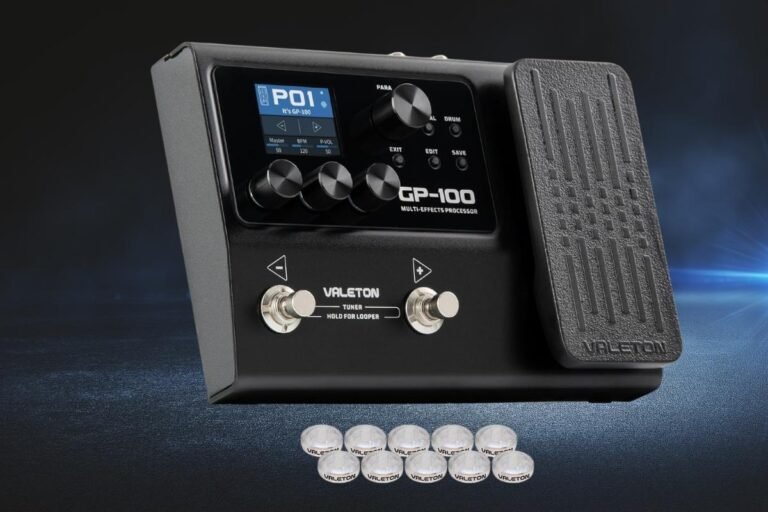
Multi-Effects and Modeling Pedals for Beginners
Imagine having an entire collection of tone-shaping tools conveniently packed into a single, compact device. Multi-effects and modeling units are comprehensive solutions that combine multiple types of guitar effects pedals into one. This approach is ideal for newcomers who want to explore different sounds without investing in numerous individual pedals.
These all-in-one units offer incredible value for experimentation. A unit like the Caline Lucky 7 provides seven or more distinct effects for the price of one or two standalone units. This makes them a budget-friendly entry point into the world of effects pedals.
Advantages of Multi-Effects Units
While these units provide a lot of variety, they can sometimes be a “jack of all trades, master of none.” The individual effects may not always match the quality of a dedicated pedal. However, some multi-effects specialize in specific categories.
For example, some focus on combining distortion, overdrive, and boost. Others offer a range of delay types with different characteristics.
⚡ Best Multi-Effects Units for Versatile Guitar Players

🎛️ Valeton GP-200
Compact multi-effects unit with amp modeling, IR loading, and USB recording.
Check on Amazon
🎸 Boss ME-90
Powerful multi-effects processor with real knobs and intuitive amp modeling.
Check on Amazon
⚡ Boss GX-100
Flagship multi-effects with touchscreen interface and AIRD amp technology.
Check on AmazonModeling technology uses computers to simulate specific amplifiers and classic processors. This gives you access to iconic tones without the original vintage gear. Digital recreations can convincingly replicate classic tube amps and entire studio signal chains.
These units are practical for discovering which guitar effects you enjoy most. Many professionals even use them for travel or rehearsal due to their convenience. They are a powerful first step before building a larger collection of individual pedals.
Setting Up Your Pedalboard for Practice and Live Shows
A well-organized pedal board is the final, crucial step in translating your unique sound from the practice space to the stage. Proper organization affects your tone quality, ease of use during playing, and overall reliability.

Organizing Effects for Optimal Signal Flow
Most musicians follow a conventional signal path to preserve clarity. The typical order is: tuner, compression, overdrive/distortion, modulation, delay, and finally reverb into the amp.
🎛️ Recommended Pedal Order
For clean signal flow and balanced tone, most guitarists arrange pedals like this:
- 1️⃣ Tuner → ensures pitch accuracy before all effects
- 2️⃣ Compressor → evens out volume dynamics
- 3️⃣ Overdrive/Distortion/Fuzz → shapes core tone and gain
- 4️⃣ Modulation → adds motion and texture
- 5️⃣ Delay & Reverb → create depth and space
This sequence keeps your tone clear while maximizing effect definition. Once you know the basics, don’t be afraid to break the rules and experiment!
This sequence prevents muddy tones. Placing distortion before modulation ensures the modulation effect works on the distorted signal. Time-based effects like delay and reverb go last so their repeats are not distorted.
Physically, place units you switch often, like overdrive, in easy-to-reach spots. Utility items like tuners can go in less prominent positions.
Tips for a Cohesive Garage and Stage Setup
For long cable runs, a buffer pedal like the JHS Little Black Buffer can maintain signal integrity. It converts a high-impedance signal to low-impedance, preventing tone loss.
Most players won’t need a dedicated buffer unless their chain is very long. Understanding this helps troubleshoot any high-frequency roll-off.
Always use quality cables and a noise-free power supply. Secure all your gear firmly to the board. Test your complete setup at performance volume before any show to ensure everything works reliably.
Beyond the Gear: Crafting a Sound That’s Uniquely Yours
As we reach the final stage of our exploration, it becomes clear that effects processing is about personal expression above all else. These powerful tools transform your basic instrument signal into an unlimited palette of creative textures.
🎛️ Ready to Shape Your Signature Sound?
Discover the best guitar pedals to take your tone to the next level — from distortion and overdrive to delay and modulation. Explore all the top-rated options available right now on Amazon.
🔎 Explore Guitar Pedals on AmazonUnderstanding different effect types empowers you to build a setup that matches your musical vision. There’s no single correct approach—experimentation and personal preference should guide your choices as you develop your unique sonic identity.
Whether starting with essential units or building complex boards, the principles remain universal. Begin with core effects that suit your style, then expand as new sounds inspire your music.
Remember that iconic tones often come from creative application rather than expensive gear. These devices help you craft signature sounds that define your place in the musical landscape and connect with listeners through distinctive artistry.