Disclosure This post contains affiliate links. As an Amazon Associate, I earn from qualifying purchases at no extra cost to you.
Quick answer — Distortion Pedal vs Overdrive: The key difference lies in how each handles gain and clipping. Overdrive delivers a smooth, amp-like breakup that responds to your playing dynamics — perfect for blues and classic rock. Distortion applies heavier clipping and compression, producing a saturated, powerful tone ideal for hard rock and metal. In short, overdrive enhances your amp’s natural tone, while distortion completely transforms it.
Have you ever wondered why some legendary guitar riffs sound beautifully gritty while others deliver pure, unadulterated fury? The secret often lies not in the guitar itself, but in the small box on the floor that shapes its voice.
For many musicians, selecting the right gain effect is a fundamental decision. It shapes your entire tone. While people sometimes use the words interchangeably, these two effects are very different.
One offers a natural, amp-like break-up that responds to your playing dynamics. The other provides a more aggressive, saturated sound that defines heavier music genres. Understanding this difference is key to crafting your signature sound.
This guide will break down the characteristics of each effect. We will explore how they interact with your amplifier and your playing style. You will learn which tool is best for your music, from blues to rock.
Understanding the Basics of Guitar Effects
At the heart of many iconic guitar tones lies a simple yet powerful concept: signal clipping. To make an informed choice for your rig, you need to grasp the core principles behind these popular effects. Knowing the fundamental differences is the first step.

Defining Overdrive and Its Origins
The story of overdrive begins with tube amplifiers. When these amps are pushed beyond their clean limit, they produce a natural, warm breakup. This organic sound is what the effect aims to replicate.
An overdrive unit responds to your playing dynamics. It offers a smooth, musical quality that feels like an extension of your amplifier. This helps you achieve that classic, responsive tone.
What Is Distortion and How It Differs?
Distortion takes a more aggressive approach. It fundamentally alters the guitar signal with heavy saturation and compression. This creates a thicker, more sustained sound.
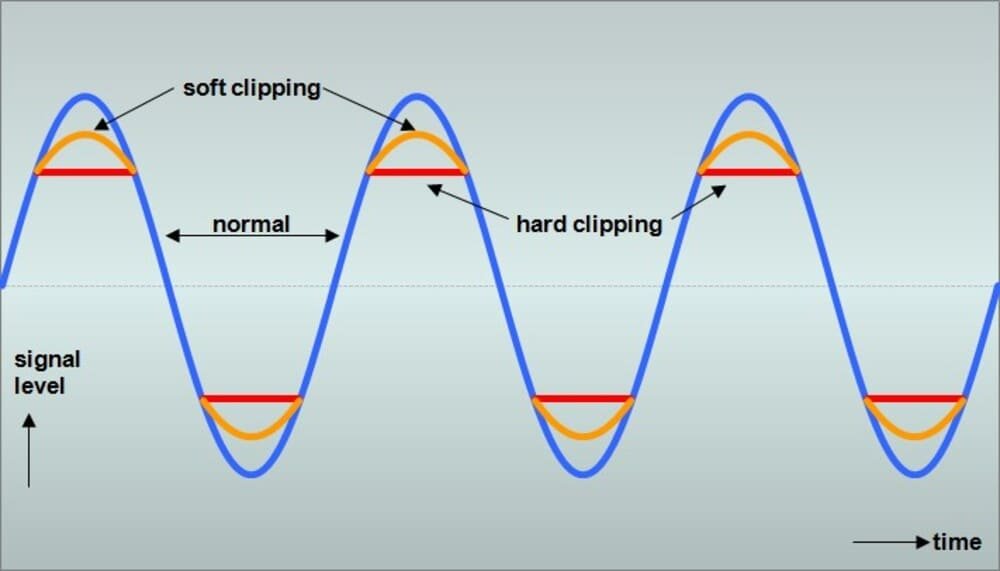
Both effects work by clipping the audio waveform. However, they do this in distinct ways. Overdrive uses gentle, rounded clipping. Distortion applies severe, flattened clipping.
This technical difference is why their sonic characters vary so much. Understanding this helps you shape your ultimate tone.

🎸 Boss SD-1 Super Overdrive
Smooth, dynamic, and expressive — perfect for blues and classic rock tones.
🔗 Check on Amazon
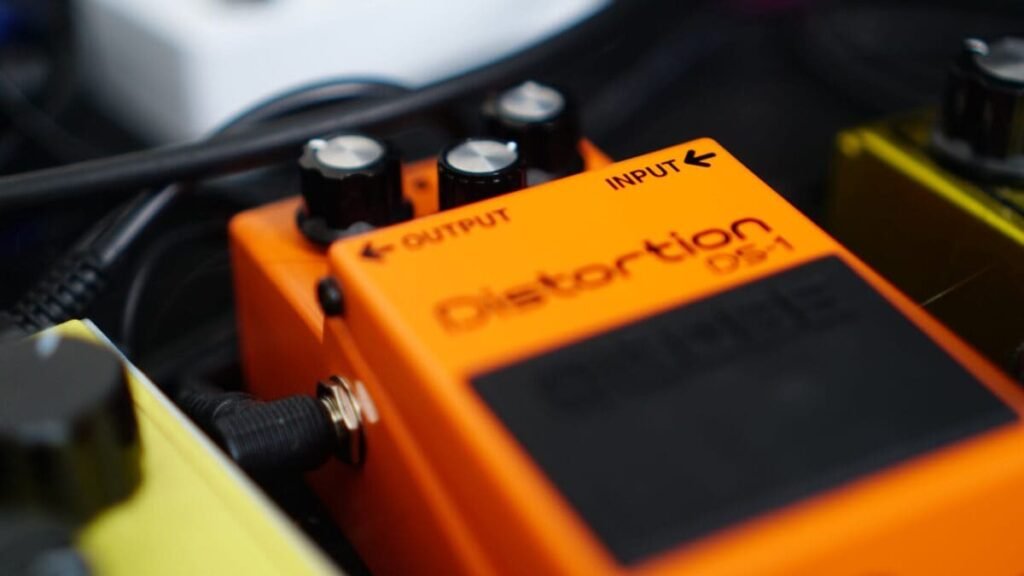
⚡ Boss DS-1 Distortion
Legendary, bold, and aggressive — the iconic distortion that defined rock history.
🔗 Check on AmazonThe Evolution of Overdrive: From Tube Amps to Pedals
Musicians discovered overdrive not by design, but by cranking their tube amps until they sang with a new voice. This accidental saturation became a sought-after sound. Engineers then worked to capture this magic in a compact, controllable unit.

Soft Clipping Explained
This unique sound is created by a process called soft clipping. It gently rounds off the peaks and valleys of the audio wave. This gradual compression preserves the signal’s natural character.
Unlike harsh cuts, soft clipping adds pleasant harmonic frequencies. The result is a smooth, responsive, and slightly dirty tone. It feels like a natural extension of your playing dynamics.
Replicating Tube Amp Warmth
Modern overdrive units are designed to replicate this exact tube behavior. They can push a tube amp into its sweet spot without extreme volume. This is perfect for home practice or small gigs.
For solid-state amplifiers, these pedals simulate the sound of a pushed tube amp. They provide that classic warmth and breakup on demand. This versatility makes them a essential tool for many guitarists.
Inside the World of Distortion Pedals
For guitarists seeking a powerful, aggressive voice, the distortion pedal is a cornerstone of modern heavy music. This effect goes beyond simple grit, delivering a saturated and harmonically rich sound that defines genres from hard rock to metal.
Mechanics of Hard Clipping
The defining feature of this effect is hard clipping. While both effects use clipping, this method is far more severe. It completely flattens the top and bottom of the audio wave.
This creates sharp angles instead of gentle curves. The result is a signal that is drastically altered from its original form. This aggressive transformation is the source of its characteristic power.
Impact on Signal and Harmonics
This intense clipping process adds a massive amount of new harmonic frequencies. Your guitar’s tone becomes thicker, more compressed, and sustains for much longer. The sound is fundamentally transformed into something heavier and more complex.
These units work brilliantly with any amplifier. They push tube amps into extreme saturation. For solid-state amps, they generate that classic high-gain sound directly.
This consistency makes them a versatile tool. You can rely on them for a predictable, heavy tone in any playing situation.
Distortion Pedal vs Overdrive: Key Differences and Similarities
While both units add grit to your signal, the core differences in their approach to gain and tone shaping create distinct musical landscapes. Knowing these nuances helps you pick the perfect tool for your music.
When to Use Each Effect: Choose overdrive if you want a natural, dynamic tone that reacts to your picking — perfect for blues, country, and classic rock. Go for distortion when you need powerful, sustained saturation for hard rock or metal riffs. Some players even combine both pedals for greater depth and flexibility.
Comparing Tone and Gain
The character of the sound is the biggest giveaway. One effect delivers smooth, responsive warmth. It feels like a natural extension of your amp.
The other provides an aggressive, saturated crunch. It fundamentally changes your guitar’s voice with heavy compression.
Gain structure is another major point. The first option typically offers low-to-medium gain levels. It enhances your original tone without overwhelming it.
The second device pushes into medium-to-high gain saturation. This creates a thicker, more sustained sound full of new harmonics.
🎸 Boss SD-1 Super Overdrive
A timeless overdrive that adds warmth and touch sensitivity — a must-have for expressive players.
💰 View Price on Amazon
⚡ Boss DS-1 Distortion
Iconic crunch with unmatched clarity — from subtle grit to full-blown distortion, it does it all.
💰 View Price on AmazonWhen to Use Each Effect
Your choice often depends on the music you play. The smoother sound excels in classic rock, blues, and country. It adds power and edge while keeping your dynamics intact.
The heavier crunch dominates metal, hard rock, and punk. It is perfect for creating searing leads and powerful, aggressive riffs.
Think about your playing style. The first unit reacts to your picking intensity. Play softly for a cleaner sound, dig in for more grit.
The second option maintains consistent saturation regardless of your attack. This makes it ideal for specialized, high-energy applications.
Technical Insights: Clipping, Gain, and Signal Dynamics
The unique sounds produced by your guitar rig start with a simple electronic principle. Your pickups act like microphones, converting string vibrations into a tiny electrical signal. This wave travels through your cables, waiting to be shaped.
The Science Behind Signal Clipping
Every amplifier has a maximum clean volume level, known as its headroom. When your guitar’s signal wave exceeds this limit, the top and bottom peaks get squashed. This squashing is called clipping.
The gain control on an effect unit determines how much the original signal is amplified before it hits this headroom barrier. More gain means a bigger wave, leading to more severe clipping.
There are two primary methods of clipping. Soft clipping gently compresses the wave‘s peaks, creating a smooth, warm saturation. It mimics a tube amp being pushed to its natural limit.
In contrast, hard clipping acts like a sharp knife. It abruptly cuts off the signal peaks as soon as they pass the threshold. This creates a more aggressive sound with sharper harmonic frequencies.
This process inherently adds compression, making your sound sustain longer. Understanding these technical principles empowers you to make smarter choices about your tone and signal management.
Choosing the Right Effect for Your Guitar Tone
Your journey to finding the perfect guitar sound begins with understanding how different effects interact with your specific setup. The ideal choice depends on your equipment, playing style, and musical goals. This decision shapes your entire sonic character.
Considerations for Gear and Amp Compatibility
Your amplifier type significantly influences which effect works best. Tube amplifiers respond beautifully to gentle drive units that push them into natural saturation. These devices enhance the amp’s organic character.
Solid-state and modeling amps often benefit from more aggressive units that provide consistent saturation. Your guitar’s pickups also matter. Single-coils pair well with subtle drive, while humbuckers can handle heavier saturation.
Consider your volume needs too. If you play at lower volumes, a dedicated effect unit can provide the saturation you need without cranking your amp.
Matching Pedal Choice to Music Genre
Your musical style guides your effect selection. Blues and classic rock players typically prefer responsive units that preserve playing dynamics. These tools add warmth and grit while maintaining touch sensitivity.
Heavier genres like metal and hard rock demand more aggressive saturation. These effects provide the thick, sustained tones essential for powerful riffs and leads. They maintain consistency regardless of playing intensity.
Think about how the effect will fit into your overall setup. Consider its placement on your pedalboard and interaction with other units. Your personal playing approach ultimately determines the best choice for your unique sound.
Stacking Effects: Combining Overdrive and Distortion
Some of the most iconic guitar sounds in history were created by stacking multiple drive units together. This technique, called gain stacking, layers different effects to build complex, rich tones. Combining these tools creates more saturation and harmonic content than using either one alone.

Best Practices for Pedal Order
The sequence of your effects matters greatly. Placing an overdrive pedal before a distortion unit increases saturation and compression. This method creates a thicker, more aggressive sound.
Alternatively, putting the distortion device first provides more of a volume boost. You get less additional crunch this way. Legendary guitarist Randy Rhoads used this approach with his Marshall amp.
Creating a Unique Tonal Palette
Boost units can also enhance your gain stacking setup. They add volume without coloring your core tone. This gives you another way to shape your sound.
Experiment with different arrangements on your pedalboard. There’s no single correct way to stack effects. Your personal preference determines the best combination for your unique tone.
Understanding how different gain stages interact helps you craft signature sounds. Try various configurations to discover what works for your musical style.
Real-World Applications and Artist Perspectives
History’s most memorable guitar tones weren’t created in a vacuum—they emerged from artists pushing effects to their creative limits. Studying how legendary guitarists applied these tools provides invaluable insight for developing your own approach to playing.
🎸 Boss SD-1 Super Overdrive
Classic, touch-sensitive breakup that enhances your amp’s natural character — perfect for expressive players.
✅ Get Yours on Amazon
⚡ Boss DS-1 Distortion
Legendary high-gain clarity and sustain — the iconic crunch that defined rock and metal tones.
✅ Get Yours on AmazonInsights from Rock, Blues, and Metal Guitarists
Blues legend Stevie Ray Vaughan used his Tube Screamer to achieve a warm, dynamic sound that responded to his aggressive playing style. This approach highlights the responsive characteristics that many blues guitarists prefer.
In classic rock, Tony Iommi of Black Sabbath pushed already saturated amplifiers with additional drive. This created the heavy sound that defined the genre. The result was a tone with a lot of power and presence.
Metal guitarists like Randy Rhoads took a different approach. He used aggressive units to push his Marshall amp into extreme territory. This type of stacking created the consistent, high-gain sound essential for heavy rock and metal.
These real-world examples show how different playing styles benefit from distinct effect characteristics. Understanding these applications helps you make informed choices for your own musical journey.
Pro Tip: Don’t think of distortion vs overdrive as a competition — many iconic guitarists use both. Try stacking an overdrive before a distortion pedal to boost clarity and sustain. Experimenting with pedal order and amp settings is the real key to discovering your signature tone.
Distortion Pedal vs Overdrive: The Real Difference Behind Your Guitar’s Tone
The journey through guitar tone is paved with choices that define your musical voice. Understanding the core difference between soft and hard clipping helps you select the right tool for your needs.
One effect offers responsive gain that follows your playing dynamics. It maintains your guitar’s natural character while adding warmth. The other provides consistent saturation perfect for powerful riffs.
Your choice depends on your music style, amplifier type, and personal approach. Many players find value in having both options available. This flexibility covers different musical situations.
Experiment with different settings and combinations. Small adjustments can yield dramatically different sounds. Your perfect tone awaits discovery through hands-on exploration.
Whether you seek subtle breakup or heavy saturation, these effects unlock new creative possibilities. The right choice transforms your guitar into exactly the instrument you need.