

Disclosure This post contains affiliate links. As an Amazon Associate, I earn from qualifying purchases at no extra cost to you.
For decades, guitarists have debated the merits of two main types of amplifiers: Solid State or Tube Amp. That discussion is still lively in 2025, and choosing the right amplifier can feel overwhelming—especially if you’re new to the guitar.
One technology is widely associated with a rich, warm character that becomes more expressive and dynamic as you push the controls—qualities many players seek for classic rock and blues. The other approach emphasizes reliability, consistent tone at any volume, and feature-rich convenience that makes it ideal for home practice and recording.
So which is the “winner”? There isn’t a single answer—choice depends on your goals, environment, and budget. This article helps you decide by comparing core technology differences, tone and dynamic response, maintenance and longevity, and practical features to look for in practice amps and modeling units. Read on to find which tech suits your practice space and playing style.
Understanding Amplifier Basics: Solid State and Tube Amp Fundamentals
At the core of a guitarist’s tone is a basic decision about amplification technology. Knowing how each system works makes it easier to understand why they sound and behave differently—and helps you pick the right amplifier for your goals.
What Are Tube Amps?
Tube amps use glass vacuum tubes to amplify your guitar’s signal. The preamp stage shapes the core tone and gain characteristics, while the power amp section provides the final volume and drive to the speaker.
As you push the controls, tubes move into natural overdrive, producing harmonic distortion rich in even-order harmonics. That harmonic structure is a big reason many players describe tube tones as warm and musical. Different tube types and circuit topologies alter the compression, headroom, and midrange character.
What Are Solid-State Amps?
Solid state designs use semiconductor devices such as transistors instead of tubes. These circuits give consistent gain and response across volume levels, so the amp keeps a predictable character whether you’re at low practice volume or cranked up.
Solid-state units usually produce distortion through clipping in discrete circuits or digital/analog modeling rather than the gradual saturation tubes create. That makes many solid-state amps especially useful for home practice and for players who need reliable, repeatable sound every time.
- Tube amps tend to create organic, dynamic tones that change with playing touch and volume
- Solid-state amps deliver predictable, consistent sound at any volume
- Tube circuits often include output transformers, which add weight but influence the amp’s character
- Transistor-based designs are generally more rugged and require less routine care
Both technologies have clear strengths. Tube amps are prized for their musical compression and harmonic richness, while solid state amps and modern amps solid state modeling offer durability and practical features for everyday use. Understanding these fundamentals lets you evaluate specific amps by their circuitry and intended use rather than just brand or marketing.
Solid State or Tube Amp: Deciphering the Key Differences
Choosing between tube and solid-state architectures comes down to how each processes your guitar’s signal and how that processing translates into feel, distortion behavior, and practical use. Below we break the technical contrasts into listener-friendly terms and give quick ways to evaluate them.
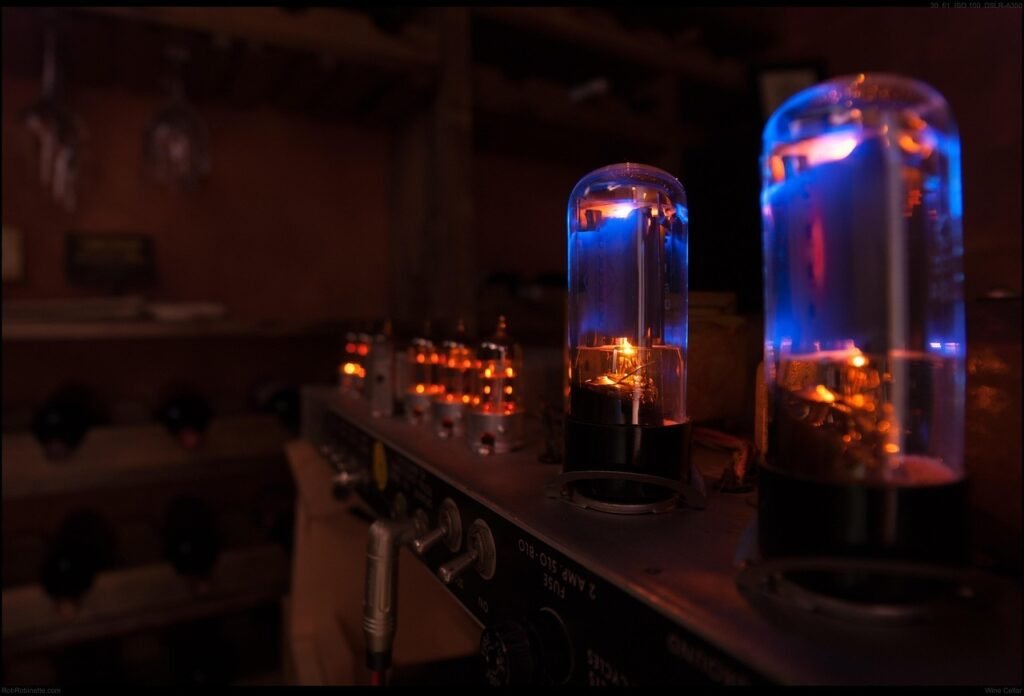
The fundamental difference starts with the components that amplify the waveform: vacuum tubes in tube amps and semiconductor devices in solid-state designs.
Transistors vs. Vacuum Tubes
Vacuum tubes amplify using heated elements in a low-pressure envelope. When driven, they introduce a type of soft clipping and compression that emphasizes even-order harmonics. Objectively, this produces a higher proportion of musical harmonics in the total harmonic distortion (THD) profile, which many listeners interpret as “warmth.”
Transistors (the basis of most solid state amps) use semiconductor junctions to amplify. Their clipping behavior tends to be harder and more abrupt, producing a different harmonic balance. Modern solid state amps and solid state modeling circuits can, however, emulate tube-like behavior through clever circuit design or digital processing.
The practical result: tube overdrive usually develops gradually and musically as you push gain or volume, while transistor clipping can sound more immediate and focused.
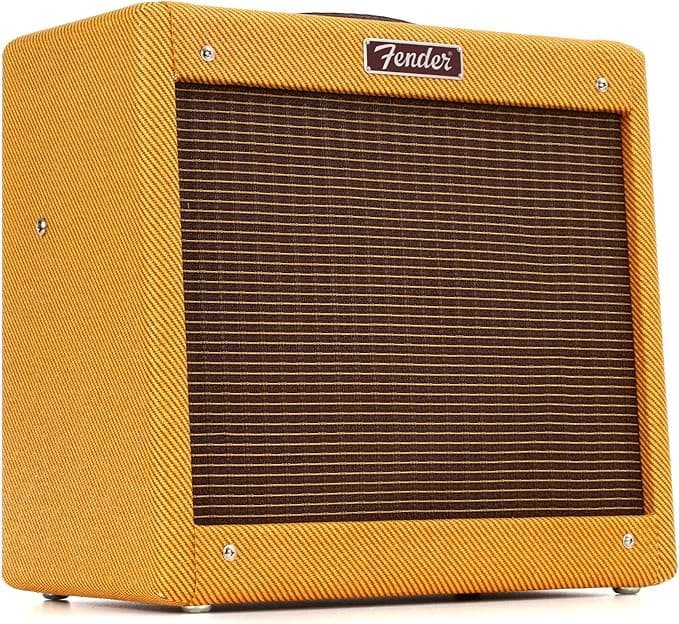
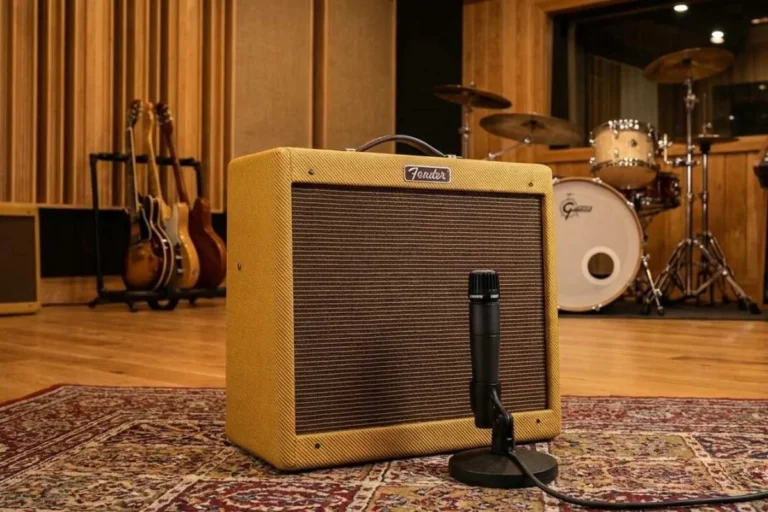
🎸 Fender Pro Junior IV
The Fender Pro Junior IV is an all-tube 15-watt combo amp that delivers that warm, organic tone guitarists love. With its simple controls, compact size, and legendary Fender clean sound, it’s perfect for home practice, studio sessions, or small gigs where pure tube tone matters most.
🔸 Buy on AmazonTonal Qualities and Dynamic Response
How an amp responds to your touch — its dynamic response — is where many players feel the biggest difference. Tube amps commonly react to playing intensity: hitting harder increases harmonic complexity and perceived sustain; playing softer yields cleaner articulation. This interactive behavior is one reason many guitarists favor tube amp tone for expressive styles.
Solid-state and modern solid state amps typically offer steadier character across a wide volume range. Notes remain clear and defined even with high-gain settings, which benefits styles that demand tight low end and note separation, such as certain metal and bass-heavy playing.
To evaluate these differences yourself, listen for:
- How distortion builds as you increase gain or volume (gradual vs abrupt).
- Whether the midrange feels forward or scooped — tubes often emphasize midrange presence.
- Note definition and low-end tightness under heavy distortion (a common strength of transistor-based designs).
Both approaches cover a broad sonic range: tube amps for warm, harmonically rich tones; solid-state amps for consistent, practical performance. Many modern amps solid state modeling solutions now blur that line, offering convincing tube-like sounds with the reliability and features of transistor designs.
What to Look for in a Compact Practice Combo
For beginners and home players, compact practice combos deliver most of what you need without taking up much space. Instead of focusing on specific brands or models, here’s an objective look at the features and design elements that matter when choosing a small amp.
These combos come in both tube and solid-state flavors; each approach has trade-offs for tone, maintenance, and usability.
Design and Build Quality
Pay attention to cabinet construction and speaker size. Smaller combos commonly use 8‑inch or 10‑inch speakers, which provide focused sound ideal for close-range practice—8‑inch speakers are fine for bedroom use, while 12‑inch speakers give fuller low end and better room projection.
Also check the amp’s weight, handle construction, and overall durability if you plan to move it frequently. Output transformers appear in many tube designs and add weight, which can contribute to a characteristic sound but also affects portability.
User Experience in Home Setups
Look for straightforward controls: gain, volume, and basic tone shaping let new players learn quickly. Headphone outputs are essential for silent practice, and auxiliary inputs or Bluetooth let you play along with backing tracks. Built-in effects (reverb, delay, simple modulation) expand your palette without extra pedals.
For home use, wattage in the 15–25W range typically provides adequate volume and headroom for practice; if you want natural tube saturation at low volumes, consider amps with power attenuation or low-watt tube variants. Solid state amps usually maintain character across lower volumes, making them practical for apartment living.
- Speaker: 8″–10″ = compact practice, 12″ = fuller projection
- Controls: simple gain/volume/tone for ease of learning
- Connectivity: headphone jack, aux/USB/Bluetooth for playing and recording
- Effects: basic built-in effects are helpful for beginners
- Wattage: 15–25W is often sufficient for bedroom practice
Whether you favor the interactive feel of tube designs or the convenience and reliability of solid state amps, this checklist helps you evaluate any compact combo on its merits. If you later want model examples, link them in a separate “examples” section to keep the main article informational and brand-neutral.
Modeling Practice Amps: Design, Functionality, and Tone for Home Use
Modeling practice amps give beginners and home players access to a wide variety of tones and recording-friendly features in a compact package. Rather than relying on a single analog circuit, these units use digital or hybrid processing to emulate multiple amplifier and effects combinations—making them versatile tools for practice, learning, and quick home recordings.
Key Features and Innovations
Modern modeling amps typically include preset libraries that cover many musical styles, from clean jazz tones to high-gain metal voices. They often pair those presets with cabinet simulation (IRs or built-in cab models) so you can get usable direct recordings without miking a speaker.
Connectivity is another major advantage: USB outputs or built-in audio interfaces let you record directly to a DAW, and headphone outputs provide silent practice. Many units also offer software editors or smartphone apps for deeper tone editing and access to cloud-based tone libraries.
Simplicity for Beginners
Well-designed modeling practice amps balance power with usability. Look for straightforward front-panel controls, clear preset navigation, and helpful LEDs or on-screen indicators so new players can dial tones quickly without getting lost in complex menus.
Useful workflow examples include: plugging the amp’s USB output into your computer for direct recording, using the headphone output for late-night practice, and saving custom presets for specific songs or lessons. These features make modeling amps a strong choice for players who want variety, direct recording capability, and convenience in one affordable package.
Trade-offs to consider: modeling units excel at versatility and recording, but purists may still prefer the tactile dynamic response of a true tube amp. For many beginners and apartment players, the practical benefits—preset versatility, recording/output options, and consistent tone at low volumes—make modeling practice amps an excellent, budget-friendly option.
Character vs. Versatility: How to Choose Between a Character-Driven Combo and a Modeling Practice Amp
When deciding between a character-driven combo and a versatile modeling/practice amp, the right choice depends on whether you prioritize a single, distinctive voice or a wide palette of tones and features. Both solid state and tube amps can serve beginners well—what matters is how each fits your playing goals, practice space, and workflow.
Performance and Sound Comparison
Character-driven combos (often tube-based or tube-voiced designs) emphasize a specific tone and dynamic response. These amps typically deliver a single, recognizable voice that interacts musically with your touch and guitar signal—excellent if you want a signature sound without constant tweaking.
Modeling practice amps and many modern solid state units prioritize versatility and repeatability. They can reproduce many amps and effects, giving you a broad range of clean to high-gain sounds and consistent behavior across different volume levels. This makes them ideal for players who record at home or need many tones without a pedalboard.
Functionality and Value for Home Use
Use this simple decision matrix as an example when evaluating options:
- Tone Character: Character-driven combos = focused, interactive voice; modeling/solid state = many emulations and editable parameters.
- Features: Modeling amps often include USB outputs, built-in effects, and preset saving. Character combos usually keep controls simple (gain, tone, volume).
- Ease of Use: Character combos are plug-and-play; modeling amps require a bit more navigation but offer more flexibility.
- Maintenance: Solid state and digital modeling units are generally lower-maintenance; tube combos may require periodic tube replacements and occasional biasing.
- Home Suitability: For low-volume practice, modeling or low-watt solid state amps often give the desired tones without sacrificing clarity; for those chasing natural tube saturation at lower levels, look for attenuators or low-watt tube options.
Actionable guidance: if you want one great-sounding, expressive amp and minimal setup—lean toward a character-driven combo. If you need recording outputs, many sounds on demand, and repeatable presets for lessons or songs—choose a modeling/feature-rich practice amp. Both categories include solid state options; focus on the amp’s role (character vs. versatility) rather than the marketing label.
Amplifier Technology in 2025: Modern Trends and Innovations
By 2025 the guitar amp landscape blends classic analog ideas with modern digital convenience. Both tube and transistor approaches have benefited from technological advances, giving players more choices that suit practice, recording, and live use.
Current innovations narrow the gap between classic warmth and feature-rich devices. Manufacturers now include features that address historical limitations of both tube amps and solid-state designs, creating versatile options for players at every level.
Digital Integration and Modeling Features
Many modern solid state designs incorporate sophisticated modeling, stompbox emulations, and IR-based cabinet simulation so you can get usable direct recordings without miking a speaker. These systems can approximate the dynamic behavior of tube circuits in detectable ways, though “accurately recreate” is best read as “closely emulate”—the subjective differences persist for purists.
Connectivity has become a core selling point: built-in USB audio, software editors, and smartphone integration let you record, tweak, and download presets quickly. Cloud tone libraries and app-based editors expand available sounds beyond the amp’s physical controls.
At the same time, traditional tube amps have adopted practical features too. Many include power attenuators or low-watt variants so you can achieve saturated tube tones at lower volume levels, plus headphone outputs and DI/line outputs for direct recording.
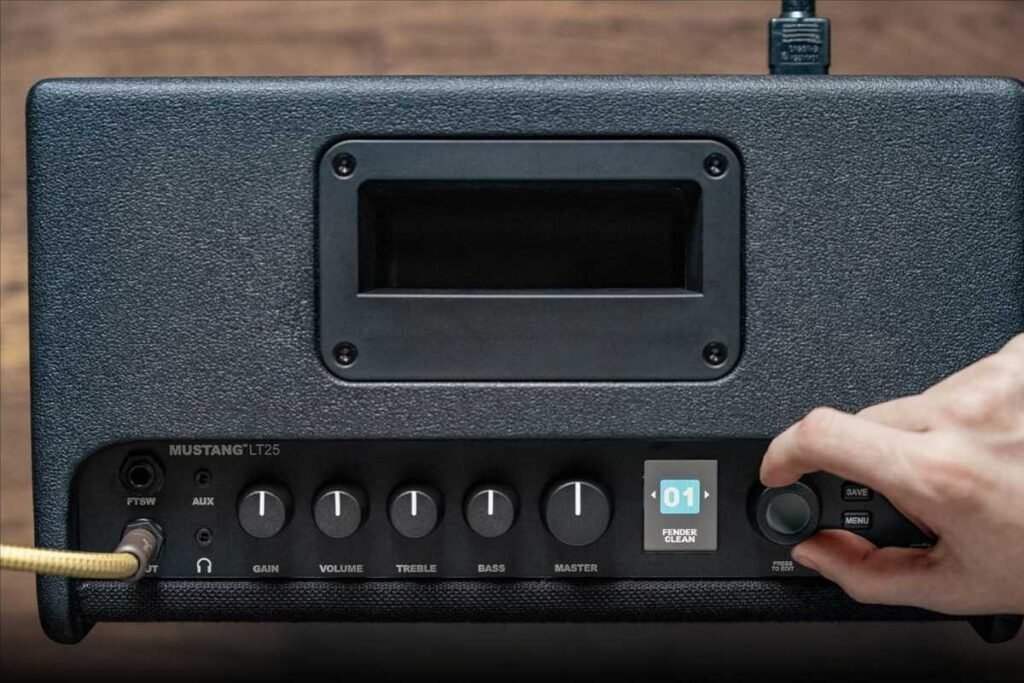
🎸 Fender Mustang LT25 – Compact Powerhouse for Home & Practice
The Fender Mustang LT25 brings studio-quality tones to your home setup. With 25 watts of solid-state power, 30 amp models, and easy preset navigation, it’s a perfect match for beginners and experienced players who value versatility and simplicity.
👉 Get the Fender Mustang LT25 Now on AmazonMaintenance and Longevity Considerations
Maintenance differences remain a real factor when comparing technologies. Tube amps rely on vacuum tubes, which wear over time and typically need replacement after a number of years depending on usage—common real-world ranges are roughly 1–5 years for frequently used preamp tubes and longer for some power tubes, although usage patterns vary widely.
Conversely, solid state amps and modern amps solid state modeling units usually demand minimal routine care beyond occasional fuse or connector replacement. Well-built solid-state designs can remain functional for decades, though build quality and component choice matter.
Price and total cost of ownership reflect these differences: entry-level modeling amps often deliver pro-level recording features at accessible prices, while tube amps can carry higher long-term maintenance costs. When evaluating options, consider not just initial price but ongoing costs (tube replacement, servicing), and test how an amp sounds and behaves across a range of volumes and playing dynamics.
Quick evaluation checklist (how to test modeling quality): try A/B listening on the same guitar and cab/monitor at low and high volumes; record direct via USB and with a mic; test dynamics by playing soft and hard; and compare presets to edited tones. These steps help you decide whether the modern solid-state or hybrid solution meets your needs.
Practical Considerations for Home and Beginner Setups
Practical setup choices often determine whether you enjoy practicing or get frustrated. Your living situation, available space, and musical goals should shape which amp technology and features make the most sense.
Volume, Wattage, and Space Requirements
Many beginners worry about having enough power for home use. In practice, combos in the 15–25W range usually deliver more than enough volume for bedroom practice and small-room rehearsals, though exact results depend on room size and your guitar’s pickups.
A common misconception is that tube amps are simply louder watt-for-watt. What really happens is tube saturation produces harmonic content and compression that can make the amp appear louder or more present even at the same measured output. In other words, perceived loudness can increase as tubes move into natural overdrive.
Speaker choice matters for how the amp translates into a room. Compact 8″ speakers give focused midrange and are excellent for close-range practice; 10″ speakers add a bit more low end; 12″ speakers deliver fuller bass and better room projection but may overwhelm small spaces. If you want punchy, tight low end for heavier styles, favor larger speakers or high-quality 10″/12″ drivers.

Marshall MG15GFX
Compact, powerful, and full of Marshall tone — perfect for practice or small gigs with built-in effects and that iconic rock crunch.
Buy on Amazon
Fender Mustang LT25
The Fender Mustang LT25 delivers classic Fender tone with modern digital versatility — ideal for beginners and home players.
Buy on AmazonBuilt-In Features and Overall Versatility
Modern solid state amps and modeling amps shine in home environments because they pack useful features: headphone outputs for silent practice, auxiliary or Bluetooth inputs to play along with tracks, and USB or direct outputs for easy recording.
Built-in effects such as reverb, delay, and simple modulation give you usable sounds without buying pedals. Many units also include tuners and loopers—tools that boost practice productivity and make learning more enjoyable.
If you want natural tube character at lower volumes, look for tube amps with power attenuators or low-watt tube variants. Alternatively, solid-state and modeling options can deliver convincing tube-like sounds at any listening level with little fuss.
Quick Decision Checklist and Test Tips
- If you live in an apartment and want saturation at low volumes → look for power attenuation or modeling that emulates tube saturation.
- If you want one simple, expressive voice and minimal setup → consider a character-driven combo with straightforward gain/volume/tone controls.
- For home recording and variety → choose a modeling or feature-rich solid-state amp with USB/DI output and built-in effects.
- Speaker choice: 8″ = tight, close practice; 10″ = balanced; 12″ = fuller bass and projection.
- Test at the store: try the amp at ~50% volume to hear headroom, then crank to see saturation behavior; also test with headphones and via the DI/USB output.
Micro CTA: Try these tests at a local shop or with a friend’s amp, and consider downloading a one-page checklist (create or link to one) to take along when you shop. These practical checks will help you choose an amp that fits your space, playing style, and long-term goals.
🎸 Fender Pro Junior IV
The Fender Pro Junior IV is an all-tube 15-watt combo amp that delivers that warm, organic tone guitarists love. With its simple controls, compact size, and legendary Fender clean sound, it’s perfect for home practice, studio sessions, or small gigs where pure tube tone matters most.
🔸 Buy on AmazonExpert Insights on Solid State vs Tube Amplifier Performance
Working musicians, tech reviewers, and engineers all bring useful perspectives to the tube vs. solid-state discussion. Their real-world experience helps translate circuit-level differences into practical musical decisions.

Musician Feedback and Real-World Testing
Many professional guitarists report they can hear and feel the difference between tube and solid-state designs during playing. Tube amps often respond to a player’s touch in ways that feel more interactive: the same tube unit can sound notably different when used by different players because of how it reacts to attack, pickup output, and playing style.
On the other hand, transistor-based and modern modeling units provide consistent frequency balance and tight low-end definition, which some players—particularly those playing certain metal or highly produced styles—prefer for clarity and note separation.
Keyboard players and session musicians sometimes favor solid-state rigs for their predictable, even frequency response across wide ranges. That predictability can make mixing and tracking easier in studio contexts.
Industry Trends and Technical Evaluations
Technical evaluations show that the tonal differences are not absolute. Simple tube circuits can produce pleasing harmonic content with relatively low measured distortion in musical contexts, while basic transistor stages can produce harsher clipping if not well-designed. Modern solid-state designs, however, use advanced circuitry and digital modeling to achieve very high performance that closes the gap.
The consensus among many engineers and players is pragmatic: neither technology is a universal winner. The right choice depends on the musical context, the role of the amp (practice, recording, live), and personal taste.
Practical Tips from the Pros
- For gigging reliability: prefer solid-state or modeling rigs for road use when you need ruggedness and low maintenance—tubes are fragile and more sensitive to vibration.
- For recording tone: try both DI/USB direct outputs from modeling amps and miked tube cabinets to compare; professionals often capture both and choose later in mixing.
- How pros use both: many studio and touring guitarists keep one tube amp for character and one solid-state/modeling head for consistency and backup—this gives flexibility across genres and venues.
- Maintenance tip: keep spare preamp and power tubes if you rely on tube amps regularly; proper biasing and occasional servicing extend tube life (typical tube lifespan depends on use, but many last several years in practice settings).
Example takeaway: experienced players commonly maintain both tube amps and solid-state units in their rigs, selecting the best tool for each song or session rather than trying to make one technology do everything.
Conclusion
Picking your first amplifier is about balancing classic character with practical features. The best choice reflects your musical goals, living situation, and how you plan to practice and record.
Modern transistor-based designs and modeling practice amps deliver exceptional value for beginners: reliable performance, built-in effects, headphone outputs, and direct recording options. These solid state amps make it easy to explore many tones without extra pedals or complex setups.
Traditional vacuum tube units offer the warm, dynamic response that many players prize. Tube amps interact musically with your touch and playing dynamics, but they typically require more investment and occasional upkeep (tube replacement and servicing) over time.
Instead of focusing on brand names, think in terms of categories: character-driven combos (single‑voice, expressive) versus modeling/feature-rich practice amps (versatile, recording-friendly). Use the checklist in this article to test amps in person—try them at mid and high volumes, check DI/USB outputs, and audition both through a speaker and headphones.
Ultimately, the amplifier that inspires you to play more often is the right one. Consider budget, space, maintenance, and whether you need many tones or one great sound when making your final decision. Try both styles at a local shop or borrow a friend’s amp before you buy.





[…] amps come in three main types: tube, solid-state, and modeling amps. Tube amps are known for their warm, rich tone but require maintenance and are generally more […]