Looking for a guitar that delivers great sound without breaking the bank? We’ve been testing the Yamaha Revstar Element RSE20, and it’s been quite impressive for players at different skill levels.
This guitar caught our attention with its chambered mahogany body that makes it lighter than you’d expect. The Swift Blue finish looks sharp, and the cafe racer styling gives it a unique vibe that stands out from typical guitar designs.
The dual Alnico V humbucking pickups deliver solid tone with warm mids that work well for different music styles. What really impressed us was the Dry Switch built into the tone knob – it gives you brighter highs and tighter bass without the volume drop you get with coil splitting.
The rosewood fretboard feels smooth right out of the box. The neck has a nice matte finish that doesn’t get sticky when your hands warm up during longer playing sessions. Setup was minimal, which saved us time and money.

Yamaha Revstar Element RSE20 – Swift Blue
Inspired by 1960s London “Café Racer” motorcycles, the Yamaha Revstar RSE20 is as stylish as it is powerful. It features a chambered mahogany body for incredible resonance and reduced weight, Alnico V humbuckers for punchy tones, and a Dry Switch to unlock crystal-clear single-coil-like clarity.
View on AmazonSome players might find the pickups less versatile than higher-end options. The bridge hardware is decent but not premium quality. Still, for the price point, these are minor issues that don’t hurt the overall playing experience.
Bottom Line
The Revstar Element RSE20 offers excellent value for intermediate and advancing players who want quality without premium pricing.
Its comfortable playability and solid construction make it a smart choice for home practice or gigging.
Ready to upgrade your sound? Click here to get the Yamaha Revstar Element RSE20 and experience its impressive tone for yourself!
Overview: Yamaha Revstar Element RSE20 Electric Guitar

When you first pick up this guitar, the Swift Blue finish catches your eye immediately. The RSE20 feels surprisingly light thanks to its chambered mahogany body design.
You’ll notice the smooth matte neck finish right away. It doesn’t get sticky like glossy necks do when your hands warm up. The rosewood fretboard comes well-conditioned and ready to play.
What Works Well:
- Excellent setup straight from the box
- Jumbo frets are polished and smooth
- Push/pull dry switch adds tonal variety without volume loss
What Could Be Better:
- Bridge saddles feel a bit sharp
- Plastic nut isn’t as refined as higher-end models
The dual Alnico V pickups deliver warm midrange tones with good output. You can get both smooth rhythm sounds and cutting lead tones. The dry switch gives you tighter bass response when you need it.
For the price range, you’re getting solid construction and playability that competes with more expensive guitars.
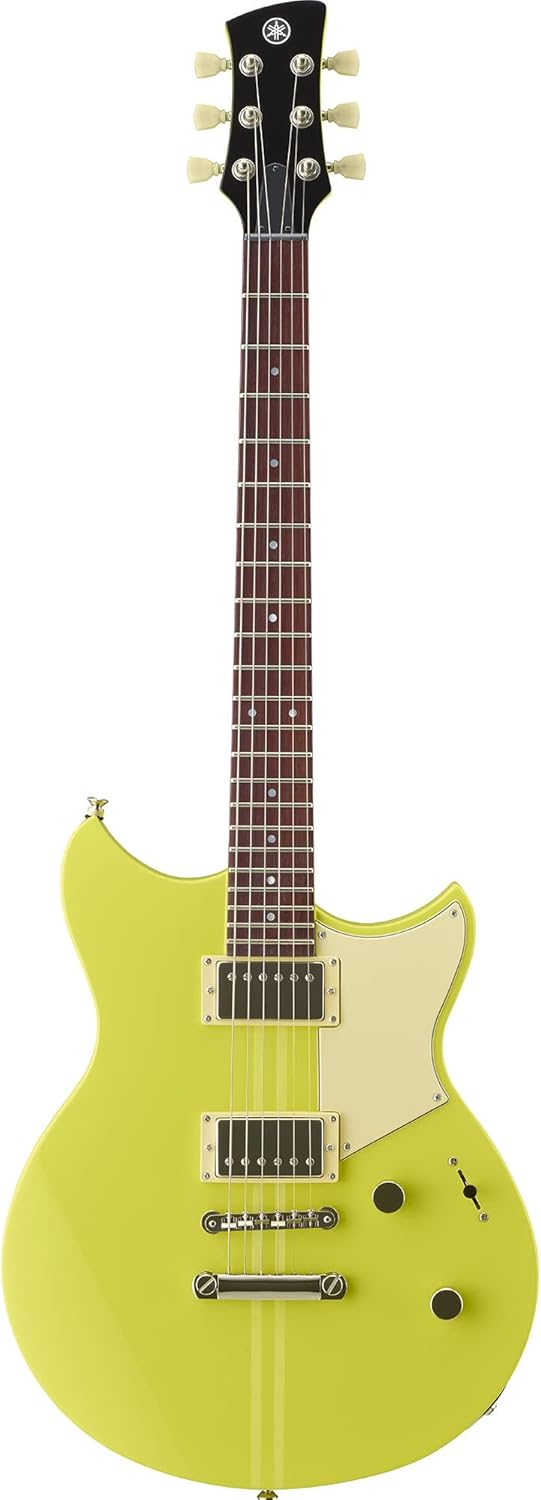
Yamaha Revstar Element RSE20 – Neon Yellow
Stand out on any stage with the Yamaha Revstar RSE20 in Neon Yellow. Beyond its striking finish, this guitar delivers serious performance with a chambered mahogany body for rich resonance and Alnico V humbuckers. Use the Dry Switch for a leaner, brighter tone that cuts through the mix without losing power.
View on AmazonChambered Mahogany Body Design
One of the most impressive features you’ll notice when picking up the RSE20 is how surprisingly light it feels for a mahogany guitar. The chambered body design uses Yamaha’s special Acoustic Design process to create hollow spaces inside the solid mahogany. This makes the guitar much easier to play during long sessions.
The chambering doesn’t just help with weight. It actually improves the tone by adding more resonance and warmth to your sound. You get that rich mahogany character but with added depth that you don’t find in completely solid guitars.
Key Benefits:
- Lighter weight reduces shoulder strain
- Enhanced resonance and sustain
- Better balance when standing or sitting
- Warmer, more open tone
The three-piece mahogany construction feels solid and well-built. You won’t notice any dead spots on the neck, and the guitar sustains notes evenly across all frets. The only minor downside is that some players might miss the extra mass and punch of a completely solid body for heavy rock styles.
Dual Alnico V Humbucking Pickups

The heart of this Yamaha RSE20’s sound comes from its pair of Alnico V humbucking pickups. These pickups deliver a warm, full tone that works well for many music styles.
When you play clean, the pickups give you a bright but smooth sound. The neck pickup sounds warmer and rounder, while the bridge pickup has more bite and clarity. You get good note definition without harsh frequencies.
Pickup Performance:
- Clean tones: Warm and articulate
- Distorted sounds: Thick with good sustain
- Noise reduction: Minimal hum compared to single coils
With distortion, these humbuckers really shine. You get thick, meaty tones with plenty of sustain. The pickups handle high gain well without getting muddy.
The main weakness is that you might find the tone a bit generic compared to higher-end pickups. They lack some of the character and uniqueness that premium pickups offer. But for the price point, they perform very well and give you solid versatility across different musical styles.

Yamaha Revstar Element RSE20 – Black
The Yamaha Revstar RSE20 Black combines stripped-back aesthetics with high-end resonance. Featuring a chambered mahogany body for a lightweight feel and punchy Alnico V humbuckers, it also packs the innovative Dry Switch filter—giving you the versatility of a single-coil bite without the hum.
View on AmazonInnovative Push/Pull Dry Switch Function
The coolest feature that sets this guitar apart is its unique dry switch technology. You get a push/pull knob that activates a high-pass filter when you need it most.
When you pull the knob, it cuts out some of the low-end frequencies from your signal. This makes your tone sound tighter and more focused. It’s perfect when you’re playing in a band mix and need to cut through other instruments.
What works well:
- Easy to use during live performance
- Gives you instant tone shaping without pedals
- Helps clean up muddy pickup sounds
What could be better:
- Takes some practice to remember which position is which
- The effect might be too subtle for some players
You’ll find this feature most useful when recording or playing with other musicians. It gives you quick access to a different tonal character without reaching for external gear.
High-Quality Rosewood Fretboard
One thing that really stands out when you first pick up the RSE20 is the rosewood fretboard. It feels smooth under your fingers and has that classic dark wood look that makes the guitar look more expensive than it is.
When you start playing, the fretboard responds well to bending and sliding techniques. The wood has a good natural feel that doesn’t get sticky when your hands warm up. Several players mentioned that this real rosewood fretboard doesn’t need moisturizing right away, which is nice since some cheaper guitars come with dry fretboards.
The contrast between the rosewood and the jumbo frets looks sharp. You can feel the quality difference compared to cheaper alternatives when you’re playing up and down the neck. The fretboard contributes to the overall smooth playing experience that makes this guitar feel like it costs more than it does.
Custom Café Racer-Inspired Finish Options

The RSE20’s design draws clear inspiration from motorcycle culture. You get one main finish option with this guitar – the Swift Blue colorway.
This blue finish has a sleek, understated look that captures that vintage motorcycle vibe. The color isn’t too flashy or bright. It has more of a muted, sophisticated tone that works well on stage or in the studio.
What works well:
- The Swift Blue finish feels durable and well-applied
- Color photographs beautifully under stage lights
- Finish complements the chrome hardware nicely
What could be better:
- Limited to just one color option
- Some players might want more vibrant or traditional guitar colors
The finish quality itself is solid. After playing it regularly, you won’t see chips or wear marks easily. The blue pairs nicely with the chrome tuners and bridge hardware.
While having only one finish option limits your choices, the Swift Blue does nail that café racer aesthetic the guitar aims for.
Yamaha Revstar Element RSE20 – Swift Blue
Inspired by 1960s London “Café Racer” motorcycles, the Yamaha Revstar RSE20 is as stylish as it is powerful. It features a chambered mahogany body for incredible resonance and reduced weight, Alnico V humbuckers for punchy tones, and a Dry Switch to unlock crystal-clear single-coil-like clarity.
View on AmazonPros and Cons
After spending time with this Swift Blue beauty, you’ll quickly notice what makes it special and where it might fall short for different players.
Pros
The RSE20 delivers impressive playability right out of the box. You get jumbo frets that feel polished and ready to go without needing major setup work. The neck has a smooth matte finish that prevents that sticky feeling you might experience with glossy necks during longer playing sessions.
Sound quality punches above its price point. The Alnico V humbuckers give you rich, full tone that works well for various music styles. The unique dry switch adds a high-pass filter option that lets you cut through mixes better when you need that extra clarity.
You’ll appreciate the solid construction with its chambered mahogany body and mahogany neck. The rosewood fretboard comes properly conditioned and doesn’t need immediate moisturizing like cheaper alternatives. Many players find it compares favorably to guitars costing much more.
The low action setup makes it comfortable for both beginners and experienced players. You can play aggressively with good speed response, and the overall build quality feels reliable for regular use.
Cons
The hardware feels budget-focused in some areas. The ABR-1 bridge comes with sharp saddles that might need attention, and the plastic nut has rough edges that could benefit from filing or replacement.
Limited pickup versatility might disappoint players wanting more tonal options. While the humbuckers sound good, you’re somewhat restricted compared to guitars with coil-splitting or more pickup configurations.
Some players find the dry switch less impressive than expected. It works as intended but doesn’t provide the dramatic tonal shift that might justify the feature for everyone.
Playability and Comfort

Getting your hands on this guitar feels great right from the start. The neck has a smooth matte finish that won’t stick to your palm when you play. This makes a big difference when you’re moving up and down the fretboard quickly.
The action comes set pretty low out of the box. You won’t need to fight the strings to get clean notes. The jumbo frets are polished well and feel comfortable under your fingers.
What works well: • Smooth neck finish prevents sticky feeling • Low action makes playing easier • Well-finished frets feel good
The rosewood fretboard feels solid and doesn’t need immediate care like some cheaper guitars. If you play aggressively or like faster songs, this guitar keeps up without fighting you. Even after long practice sessions, your hands won’t get tired as quickly as they might with other guitars in this price range.

Yamaha Revstar Element RSE20 – Vintage White
The **Yamaha Revstar RSE20 in Vintage White** offers a sophisticated look paired with powerful performance. With its chambered mahogany body and Alnico V humbuckers, it delivers a rich, warm tone. The push-pull **Dry Switch** adds incredible versatility, allowing you to clean up your sound for those classic, crisp rhythms.
View on AmazonCustomer Reviews
Most guitarists who bought the RSE20 are really happy with what they got for the money. You’ll find tons of praise about how well it plays right out of the box.
Many players love the set neck construction and jumbo frets. Several buyers mention the real rosewood fretboard feels great and doesn’t need work right away. The guitar seems to need very little setup when it arrives.
What people love:
- Plays better than more expensive guitars
- Great low action and smooth neck
- Solid build quality
- Amazing value for $649
Players with decades of experience say this guitar improved their playing style. You’ll see comments about the aggressive tone and how it encourages faster playing.
The main complaint comes from someone who owns the pricier Standard Revstars. They noticed the Element has cheaper bridge parts and different pickups that don’t sound as good. But for most buyers, especially those new to the Revstar line, these differences don’t matter much.
Conclusion
After spending time with the RSE20, it’s clear why this guitar gets so much praise. You’re getting impressive build quality that punches way above its price point. The set neck construction and jumbo frets feel professional right out of the box.
What stands out:
- Playability – Low action and smooth neck make it comfortable for hours
- Build quality – Solid construction that rivals more expensive guitars
- Value – Hard to find better specs at this price range
The guitar does have some budget compromises. The bridge saddles feel a bit sharp, and the pickups aren’t quite as refined as higher-end models. You might want to budget for small upgrades down the road.
If you’re looking for a reliable electric guitar under $700, the RSE20 delivers. It works great for beginners who want room to grow and experienced players who need a solid backup. You won’t feel like you’re playing a budget instrument.
Ready to upgrade your sound? Click here to get the Yamaha Revstar Element RSE20 and experience its impressive tone for yourself!
Frequently Asked Questions
Many guitarists have questions about this particular model before making their purchase. After spending time with the Revstar Element, I can address the most common concerns that come up.
What features distinguish the Yamaha Revstar Element from the standard models?
The Element sits as the entry point in the Revstar lineup. It keeps the core design but uses different materials to hit a lower price point.
Key differences include:
- ABR-1 style bridge instead of the wraparound bridge on higher models
- Unmarked pickups versus the branded pickups in pricier versions
- Standard tuners rather than locking tuners
The chambered mahogany body and mahogany neck remain the same. You still get the café racer styling that makes these guitars stand out. The push/pull dry switch feature stays too, which is nice since many budget guitars skip unique tone options.
Can you describe the playing experience of the Yamaha Revstar Element?
Playing this guitar feels smooth and comfortable right out of the box. The neck has a nice matte finish that prevents your hand from sticking during fast passages.
The jumbo frets come polished and finished well. You don’t need to do fret work like you might expect on a budget instrument. The action was set low from the factory on my unit.
Playing characteristics:
- Fast neck that encourages aggressive playing
- Good balance when standing or sitting
- Lighter weight than solid body guitars due to chambering
The rosewood fretboard feels quality and doesn’t need immediate conditioning. String bending is easy across all frets. The guitar stays in tune well during playing sessions.
What pickups does the Yamaha Revstar Element come equipped with?
The RSE20 uses dual Alnico V humbucking pickups. These aren’t the same branded pickups found in higher Revstar models, but they deliver good tone for the price point.
The sound has warmth in the midrange with decent output. You get that humbucker thickness without being too muddy. The bridge pickup cuts through well for lead work.
The dry switch adds versatility. When engaged, it acts as a high-pass filter that tightens the bass and brings out more highs. This gives you different tonal options without volume drops or hum issues that coil splitting can cause.
How does the Yamaha Revstar Element fare for a beginner guitarist?
This guitar works well for beginners who want something that feels and sounds good from day one. The setup quality means you can focus on learning instead of fighting with your instrument.
Beginner-friendly aspects:
- Low action makes fretting easier
- Smooth neck finish prevents hand fatigue
- Good intonation across the fretboard
- Versatile pickup switching covers different styles
The price point puts it in reach for many new players. You’re getting features usually found on more expensive guitars. The build quality should last through years of learning and playing.
Some beginners might find humbuckers a bit hot compared to single coils. But the dry switch helps dial in different tones as you develop your preferences.
What are the specifications of the Yamaha Revstar Element RSE20 model?
The RSE20 uses quality materials throughout its construction. Here are the main specs you should know:
| Component | Specification |
|---|---|
| Body | Chambered mahogany |
| Neck | Mahogany, set neck construction |
| Fretboard | Rosewood |
| Frets | Jumbo, polished |
| Pickups | Dual Alnico V humbuckers |
| Bridge | ABR-1 style |
| Special Feature | Push/pull dry switch in tone knob |
The chambered body design comes from Yamaha’s Acoustic Design process. This reduces weight while enhancing the guitar’s natural resonance. You get better tone and comfort compared to a solid body at this price.
Where can I find the serial number on my Yamaha Revstar Element?
The serial number location follows Yamaha’s standard placement. You’ll find it on the back of the headstock near the tuning pegs.
Look for a small white or silver sticker with black numbers and letters. The serial number helps with warranty registration and authenticity verification.
If the headstock sticker is missing or unreadable, check inside the sound chamber through the f-hole. Sometimes Yamaha places backup serial numbers there on chambered models.
Keep a photo of your serial number in case the sticker comes off over time. This helps with insurance claims or resale documentation later.