A reverb pedal is an effects device that adds space and depth to your guitar tone by simulating the natural sound reflections you’d hear in different rooms or environments. Whether you want a subtle enhancement to make your guitar sound fuller or massive, atmospheric effects that create spacious soundscapes, a reverb pedal gives you control over these sounds right at your feet. From classic spring reverb to modern shimmer effects, these pedals have become a must-have tool for guitarists in every style of music.




Understanding reverb pedals can feel overwhelming when you first start looking at all the options available. You’ll find simple pedals with just a few knobs and advanced units packed with dozens of settings and features. The good news is that once you learn the basics of how these pedals work and what to look for, choosing the right one becomes much easier.
This guide will walk you through everything you need to know about reverb pedals. You’ll learn about the different types of reverb effects, what the controls actually do, and how to pick a pedal that fits your playing style and budget. By the end, you’ll have the knowledge to make a smart choice and start using reverb to enhance your guitar sound.
What Is a Reverb Pedal?

A reverb pedal recreates the natural echo that happens when sound bounces off walls and surfaces in a room. This guitar effect adds space and depth to your tone, making it sound fuller and more professional.
How Reverb Pedals Work
Reverb pedals simulate what happens to sound in physical spaces. When you play a note, the pedal processes your guitar signal and adds reflections that mimic how sound behaves in different environments.
Most reverb pedals give you control over several settings. The decay control adjusts how long the reverb lasts after you play a note. The mix knob balances how much reverb blends with your dry guitar signal. Some pedals include a tone control that makes the reverb brighter or darker.
Digital reverb pedals use computer chips to create these effects. They can simulate everything from small rooms to huge concert halls. Analog reverb pedals use electronic circuits and sometimes actual springs to create the effect.
The pedal sits in your signal chain between your guitar and amp. When you turn it on, every note you play gets processed with the reverb effect. You can adjust the settings to make the reverb subtle or dramatic.
Reverb Effect vs. Other Effects Pedals
Reverb pedals are different from delay and echo effects. Delay creates distinct repetitions of your notes that you can hear separately. Reverb blends many reflections together into a smooth wash of sound.
Distortion and overdrive pedals change the character of your guitar tone. Reverb pedals add space around your existing tone without changing its basic sound. You can use reverb with clean or distorted sounds.
Modulation effects like chorus and flanger create movement in your signal. Reverb creates the sense of being in a physical space. These effects work well together on your pedalboard.
Most guitarists place reverb near the end of their signal chain. This lets other effects pedals process your tone first, and then the reverb wraps around everything.
Why Every Pedalboard Needs Reverb
Your guitar sounds dry and flat without reverb. Even a small amount of reverb makes your tone sound more natural and polished. This happens because we’re used to hearing sounds with some natural room ambience.
Reverb helps your guitar sit better in a mix with other instruments. It fills in the gaps between notes and makes chord progressions flow smoothly. Lead lines sound more professional and finished with reverb.
You can use reverb pedals to match different playing styles. Surf rock needs bright spring reverb. Ambient music uses long, spacious hall reverb. Blues and country sound great with subtle room reverb.
A reverb pedal gives you creative options you can’t get from your amp alone. Even if your amp has built-in reverb, a pedal offers more types and better control over the effect.

Types of Reverb Pedals and Reverb Effects

Reverb pedals create different sonic spaces through various technologies and algorithms. Each reverb type serves a specific purpose, from vintage spring tanks to modern ambient soundscapes.
Spring Reverb and Spring Reverb Tanks
Spring reverb uses metal springs inside spring reverb tanks to create reflections. This was the first reverb type built into guitar amps in the 1960s.
The sound is bouncy and sometimes drippy. You’ll hear it on countless classic rock and surf recordings. Spring reverb tanks contain one or more springs suspended in a metal case. When your signal passes through, it vibrates the springs to create that vintage character.
Many modern pedals recreate this effect digitally. Others use actual spring reverb tanks for authentic tone. The decay time is usually short to medium. You get a warm, musical sound that sits well in a mix without taking over.
Common characteristics:
- Vintage, warm tone
- Short to medium decay
- Bouncy, metallic quality
- Works great with blues and classic rock
Plate Reverb and Hall Reverb
Plate reverb was originally created using large metal plates in studios. The sound is bright and smooth with a lush quality. It’s been used on vocals and instruments since the 1950s.
Hall reverb simulates large concert halls and auditoriums. The reflections last longer than room reverb. You get a spacious, natural sound that makes your guitar feel like it’s in a big venue.
Both types are now recreated digitally in pedals. Plate reverb gives you a bright, dense reverb that enhances your tone without muddying it. Hall reverb provides longer decay times and a more expansive feel. Cathedral and church settings fall into this category too.
These reverb types work well when you want your sound to feel polished and professional.
Room and Ambient Reverb
Room reverb simulates small to medium-sized spaces. It creates the effect of sound bouncing off walls, floors, and ceilings. The decay is shorter than hall reverb.
This type adds natural space to your tone. It makes your dry signal feel more three-dimensional. Room reverb doesn’t overwhelm your playing. It just adds subtle depth.
Ambient reverb takes things further. It creates atmospheric pads and ambient soundscapes that can sustain indefinitely. You can use it to build textures and layers. Some ambient reverb pedals let you freeze the reverb tail and play over it.
These settings are perfect when you want realistic space or when you’re creating soundscapes for experimental music.
Shimmer, Modulated, and Reverse Reverb
Shimmer reverb adds pitch-shifting to your reverb signal. It typically shifts notes up one octave. This creates an ethereal, choir-like effect. Brian Eno and Daniel Lanois developed this sound in the 1980s.
Modulated reverb applies chorus or vibrato effects to the reverb tail. This makes the reflections move and swirl. Dream-pop and shoegaze bands used this extensively in the 1990s. The movement adds depth and makes your tone more interesting.
Reverse reverb plays the reverb tail backwards. Your signal swells in instead of fading out. This creates dramatic, otherworldly sounds.
Modern reverb types comparison:
| Type | Effect | Best For |
|---|---|---|
| Shimmer | Octave-up pitch shift | Ambient, post-rock |
| Modulated | Chorus/vibrato on reverb | Shoegaze, dream-pop |
| Reverse | Backwards reverb tail | Experimental, intros |
These creative reverb types help you build unique sounds that stand out.
Key Features and Controls of Modern Reverb Pedals

Modern reverb pedals pack sophisticated features into compact designs, offering everything from basic tone-shaping controls to advanced connectivity options. Understanding these features helps you get the most from your reverb pedal and shape your sound exactly how you want it.
Reverb Algorithms and Presets
Reverb algorithms are the digital brains that create different reverb sounds in your pedal. Each algorithm simulates a specific type of space or effect.
Most reverb pedals include several standard algorithms:
- Room: Creates the sound of a small to medium space
- Hall: Simulates large concert venues for grand, spacious sounds
- Plate: Replicates vintage studio plate reverbs with bright, dense character
- Spring: Delivers the bouncy, vintage tone of classic spring tanks
Many modern pedals also include specialized algorithms like shimmer (which adds octave-up pitches) and modulated reverb (which adds movement to your reverb tails).
Reverb presets let you save your favorite settings for quick recall. Some pedals offer three preset slots, while others provide dozens through smartphone apps. This feature is especially useful if you need different reverb settings for various songs during live performances.
Essential Controls: Decay, Tone, FX Level
The decay knob controls how long your reverb lasts after you play a note. Short decay times create subtle ambience, while longer decay times produce dramatic, sustained reverb trails that can last for several seconds.
Your tone knob shapes the frequency content of the reverb. Turning it down gives you darker, warmer reverb that sits in the background. Turning it up creates brighter, more noticeable reverb that cuts through the mix.
The FX level (sometimes called “mix” or “level”) balances your dry guitar signal with the wet reverb effect. Lower settings keep your playing clear while adding space. Higher settings make the reverb more prominent and can create ambient soundscapes.
Pre-delay sets the gap between your original signal and when the reverb starts. A small pre-delay (10-30ms) keeps everything tight. Longer pre-delay (50-100ms) separates your notes from the reverb, which helps maintain clarity in busy mixes.
Bypass Options: True Bypass, Buffered Bypass, Trails Bypass
True bypass provides a direct connection between your guitar and amp when the pedal is off. Your signal doesn’t pass through any circuits, which preserves your original tone completely. This option works great if you use few pedals.
Buffered bypass includes a buffer circuit that strengthens your signal. This helps if you run long cable runs or use many pedals in your chain. Buffered bypass prevents tone loss but slightly colors your signal even when the pedal is off.
Trails bypass keeps your reverb tails ringing naturally after you turn the pedal off. Without trails, your reverb cuts off abruptly when you bypass the pedal. With trails, the reverb fades naturally while your clean signal comes through. This feature matters most during live performances where sudden silence sounds awkward.
Some pedals let you switch between these bypass modes. The Boss RV-6 and TC Electronic Hall of Fame 2 both offer selectable bypass options.
Connectivity: Stereo Outputs, Expression Pedals, MIDI
Stereo outputs split your reverb signal into left and right channels. This creates a wider, more immersive sound when you connect to two amps or use headphones. Stereo reverb sounds especially impressive with hall and plate algorithms. Many pedals accept mono input but output in stereo.
Expression pedal inputs let you control parameters with your foot in real time. You might sweep the decay time during a solo or adjust the reverb level without touching the pedal. The Boss RV-6 and other advanced pedals include expression inputs for dynamic control.
MIDI connectivity allows your reverb pedal to receive program changes and control messages from other gear. You can switch presets, adjust multiple parameters at once, and sync your reverb settings with the rest of your MIDI-equipped rig.
Some pedals feature analog dry-through, which keeps your unaffected signal in the analog domain while only the reverb effect gets processed digitally. This maintains your core tone quality while still giving you digital reverb flexibility.
Popular and Highly-Rated Reverb Pedals

The reverb pedal market offers options ranging from affordable basics to premium studio-quality units. You’ll find pedals that specialize in classic spring sounds, digital options packed with modern algorithms, and combination units that blend reverb with delay effects.
Best Reverb Pedals for All Budgets
If you’re working with a tight budget, the JHS 3 Series Reverb stands out as the best budget reverb pedal at around $99. You get three simple controls (Verb, EQ, and Decay) that let you dial in everything from subtle room tones to longer cathedral sounds. The Electro-Harmonix Pico Oceans is another compact and affordable choice.
In the mid-range category between $150-250, you’ll find excellent value options. The TC Electronic Hall of Fame 2 costs about $160 and gives you multiple reverb types plus the innovative MASH feature. This pressure-sensitive footswitch lets you control reverb levels with your foot without needing a separate expression pedal. You can also download custom settings through the TonePrint editor app.
The Boss RV-6 delivers reliable classic reverb sounds including spring, hall, and plate modes. For combination effects, the Keeley Caverns and EarthQuaker Devices Dispatch Master both pair quality reverb with delay circuits in one pedal.
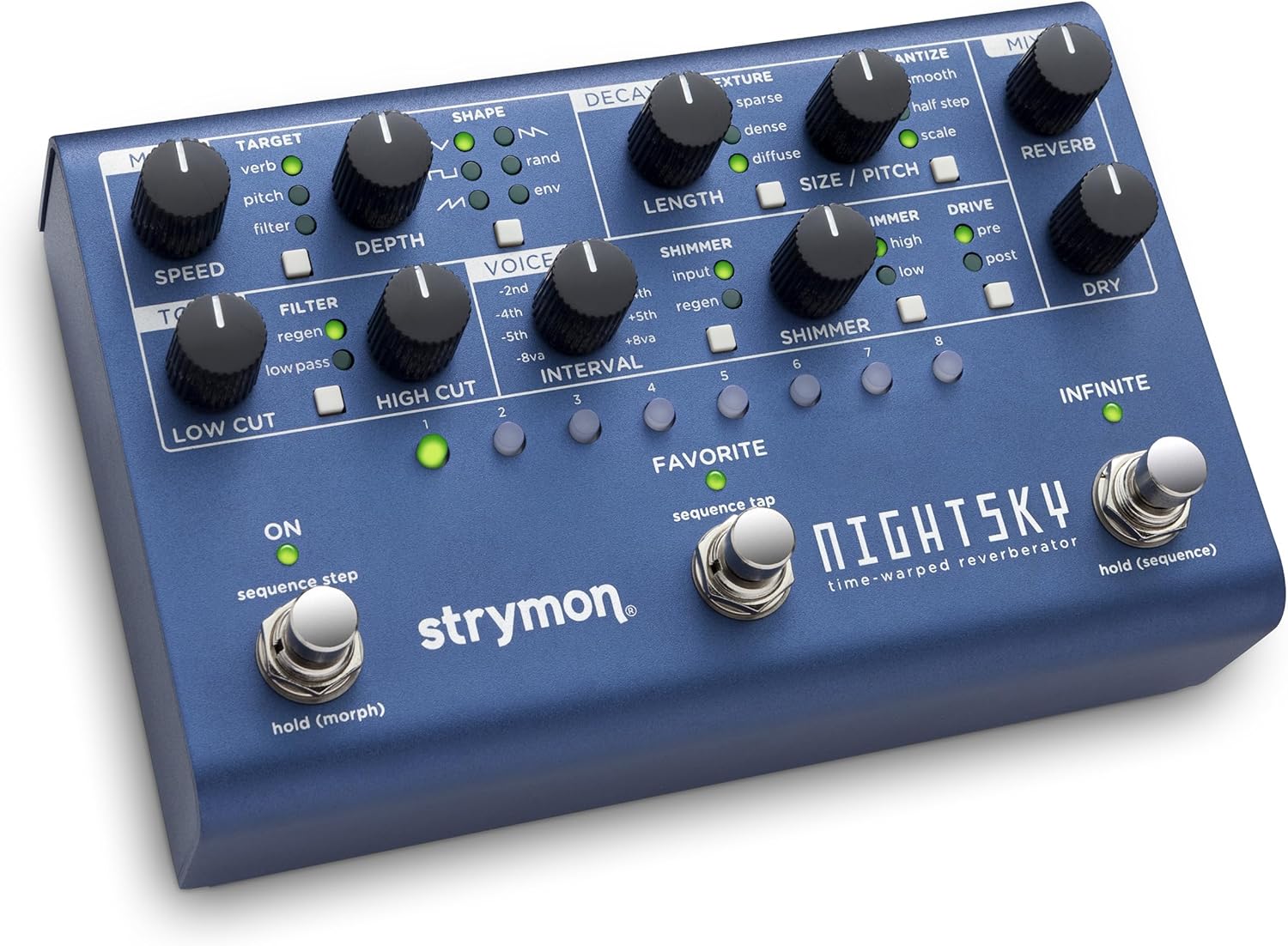
Premium options like the Strymon BigSky ($479) and Empress Reverb ($500) offer studio-grade sound quality and extensive customization. The Boss RV-500 provides deep editing capabilities with MIDI control. The newest Strymon BigSky MX and Strymon NightSky push creative boundaries with unique algorithms perfect for ambient sound design.
Notable Models and Signature Features
The Electro-Harmonix Oceans 12 gives you twelve different reverb types in a compact enclosure. You get spring, plate, hall, and more creative options like shimmer and reverse effects. The Walrus Audio Slö specializes in lush, ambient textures with three different algorithms and dream-like modulation controls.
The EarthQuaker Devices Afterneath creates unique reverb sounds unlike traditional pedals. Its drag control and multiple modes let you build otherworldly soundscapes. The Eventide Space brings studio reverb quality to your pedalboard with professional algorithms used in recording studios.
For players who want both effects, reverb and delay pedals like the Keeley Caverns feature independent blend controls. You can mix both effects to taste using separate knobs for each. The MXR M300 Reverb provides six reverb types with additional tone shaping through its EQ controls.
Digital vs. Analog Reverb Pedals
Most modern reverb pedals use digital technology because it offers more versatility and variety. Digital reverb pedals can accurately recreate spring, plate, and hall sounds while adding modern shimmer and reverse effects that analog circuits can’t produce. The Neunaber Immerse Reverberator MK II is a popular digital option known for its natural-sounding algorithms.
True analog reverb pedals are rare because they require actual springs or plates. Spring reverb tanks add weight and size to pedals. Digital pedals give you more reverb types in smaller packages at lower costs.
However, digital doesn’t mean lower quality. Premium digital reverb pedals from Strymon, Empress, and Eventide match or exceed the sound quality of vintage analog units. You get better control, more options, and features like momentary footswitch modes and preset storage that analog designs can’t offer.
How to Choose and Set Up a Reverb Pedal

Selecting the right reverb pedal involves matching your playing style with the correct reverb type, understanding where it fits on your pedalboard, and learning how it interacts with your other guitar effects. Getting these basics right will help you achieve better tone and avoid common setup mistakes.
Factors to Consider When Buying
Your choice of reverb pedal depends on what style of music you play and what kind of sounds you need. If you play blues, surf, or vintage rock, a spring reverb will give you that classic bright and slightly metallic tone. For studio-style sounds in pop or indie music, a plate reverb works better with its smooth and dense character.
Think about whether you need just one type of reverb or multiple options. Single-algorithm pedals focus on doing one thing really well. Multi-algorithm pedals give you spring, plate, room, and hall reverbs in one box, which saves space on your pedalboard.
Check the control options before you buy. Basic pedals have simple mix and decay knobs that are easy to adjust on stage. Advanced pedals include tone controls, pre-delay settings, and modulation options for more detailed sound shaping.
Your budget matters too. Entry-level pedals can sound great for basic needs. Premium pedals offer better sound quality, lower noise, and more features if you record in a studio or need professional-grade tone.
Pedalboard Placement and Power Requirements
Place your reverb pedal near the end of your signal chain on your pedalboard. The standard order puts time-based effects like reverb after distortion pedals, overdrive pedals, and compressors. This keeps your reverb clean and prevents it from becoming muddy or harsh.
Most reverb pedals run on standard 9v power supplies. Digital reverbs often draw more current than simple effects, so check your power supply can handle the extra load. Some advanced reverbs need 100mA or more, while basic pedals might only need 50mA.
If you use multiple effects pedals, invest in an isolated power supply. This prevents noise and hum that can happen when pedals share power. Daisy chains work for simple setups but can cause problems with digital reverbs.
Keep your reverb pedal away from high-gain distortion or fuzz pedals on your pedalboard to reduce electrical interference. Use quality patch cables to connect your pedals and maintain clean signal flow.
Combining Reverb with Other Effects
Reverb works well with delay pedals when you place delay before the reverb in your chain. This creates a natural effect where the delayed notes also get reverb, similar to how sound behaves in real spaces. Setting your reverb decay shorter than your delay time prevents the sounds from clashing.
Use light reverb settings when you play with heavy distortion pedals or overdrive pedals. Too much reverb with high gain creates a messy wall of sound. A small room reverb or short plate setting adds depth without losing clarity.
Modulation effects like chorus or phaser sound better before your reverb. This lets the reverb naturally spread the modulated signal across the stereo field. Putting reverb before modulation can make the effect sound artificial.
Compressors placed before reverb help even out your playing dynamics and make the reverb effect more consistent. If you put the compressor after reverb, it can make the reverb decay sound unnatural by squashing the tail.
Time-based effects need careful level matching. Keep individual effect volumes balanced so no single pedal dominates your overall tone. Start with your reverb mix around 20-30% and adjust based on what sounds good in your playing context.
Frequently Asked Questions

Selecting the right reverb pedal involves understanding key features like tone control and build quality, while also matching the pedal type to your musical style. Budget options exist that deliver quality sound, and proper integration with your existing setup ensures optimal performance.
What features should I look for in a high-quality reverb pedal?
Start with tone and decay controls, which shape the character and length of your reverb effect. These controls let you adjust everything from subtle ambience to long, atmospheric washes.
True bypass is another important feature that preserves your guitar’s natural tone when the pedal is off. This prevents signal loss and keeps your sound clean when you’re not using the effect.
Build quality matters for long-term reliability. Metal enclosures protect internal components and withstand regular use better than plastic housings.
Look for pedals with multiple reverb types built in. Having options like spring, hall, and room reverbs in one pedal gives you flexibility across different songs and styles.
Custom preset capabilities save you time during performances. You can store your favorite settings and switch between them quickly instead of adjusting knobs between songs.
How do I choose the best reverb pedal for my specific musical needs?
Your musical genre plays a big role in determining which reverb pedal works best. Rock and pop typically benefit from shorter reverb tails that maintain clarity and punch in your mix.
Jazz players often prefer warm, subtle reverbs that complement natural instrument sounds. Ambient and shoegaze music call for longer decay times and expansive soundscapes.
Consider whether you need stereo or mono output based on your setup. Stereo pedals create wider, more immersive sounds that work well in venues with proper stereo support.
Think about the reverb types you’ll use most often. If you play surf rock or blues, a spring reverb pedal might be your best choice for that vintage character.
Test different pedals if possible to hear how they respond to your playing style. What sounds good in a demo might feel different when you’re actually playing through it.
Can you recommend a budget-friendly reverb pedal that doesn’t compromise on sound quality?
The TC Electronic Hall of Fame 2 offers excellent sound quality at an affordable price point. It features MASH technology that turns the footswitch into a pressure-sensitive expression controller for dynamic sound changes.
This pedal includes the TonePrint feature, which lets you download signature artist presets or create your own through a simple app. You get access to a wide range of reverbs from classic to modern without spending extra money.
Its compact size makes it perfect for smaller pedalboards where space is limited. Despite its affordable price, the Hall of Fame 2 delivers professional-quality reverb that works well for live performances and recording.
The pedal’s customization options rival more expensive models. You can experiment with different settings and save your favorites for quick recall during shows.
What are the differences between spring, hall, plate, and room reverbs in pedal form?
Spring reverb creates a distinctive “boingy” sound that’s popular in surf music and vintage rock. It uses metal springs to create vibrations, giving you that classic, retro character heard on countless recordings.
Hall reverb replicates large concert hall acoustics with long, smooth decay. This type works great for creating grand, spacious sounds in rock ballads and orchestral-style music.
Plate reverb produces a bright, lush sound that’s smoother than spring reverb. Studios commonly use it on vocals and snare drums because it adds warmth without overpowering the original sound.
Room reverb mimics smaller acoustic spaces for a more intimate, natural feel. It’s versatile across genres and adds subtle ambience without the expansive echoes of hall reverb.
Each type serves different purposes in your music. Spring suits vintage tones, hall creates drama, plate adds smoothness, and room provides natural space.
How can I integrate a reverb pedal seamlessly into my existing pedalboard setup?
Place your reverb pedal at the end of your signal chain for the most natural sound. This position applies reverb after all other effects, which typically produces better results.
If your amplifier has an effects loop, consider placing the reverb there. This preserves tone clarity by applying reverb after preamp distortion and modulation effects.
Run distortion and modulation effects like chorus or flanger before your reverb pedal. This order maintains clarity and lets each effect work properly without muddying your sound.
Adjust the mix ratio on your reverb pedal to balance the wet and dry signals. Start with subtle settings and increase the effect gradually until you find the sweet spot.
Experiment with different positions if the standard placement doesn’t work for your setup. Every pedalboard is unique, and small changes can make a big difference in your overall tone.
Are there reverb pedals that work well with other instruments, like a piano?
Most reverb pedals work with any instrument that produces an electric signal. You can connect keyboards, synthesizers, and electric pianos to reverb pedals just like guitars.
Hall and plate reverbs are particularly popular for piano and keyboard instruments. They add the smooth, spacious qualities that complement the natural resonance of piano sounds.
Check the input impedance of the pedal to ensure compatibility with your instrument. Most modern pedals handle a wide range of input signals without issues.
Stereo reverb pedals shine with keyboards since many keyboards output in stereo. Using both outputs preserves the width and depth of your keyboard’s sound.
Experiment with decay times that suit piano playing, which often requires different settings than guitar. Piano notes naturally sustain longer, so you might prefer shorter reverb tails to avoid muddiness.